Nissan Leaf Becomes First Electric Car to Earn Five-Star Euro NCAP Rating
The Nissan Leaf secured an 89 per cent overall score in Euro NCAP crash tests, making it the first fully electric vehicle to achieve the programme’s top safety rating.
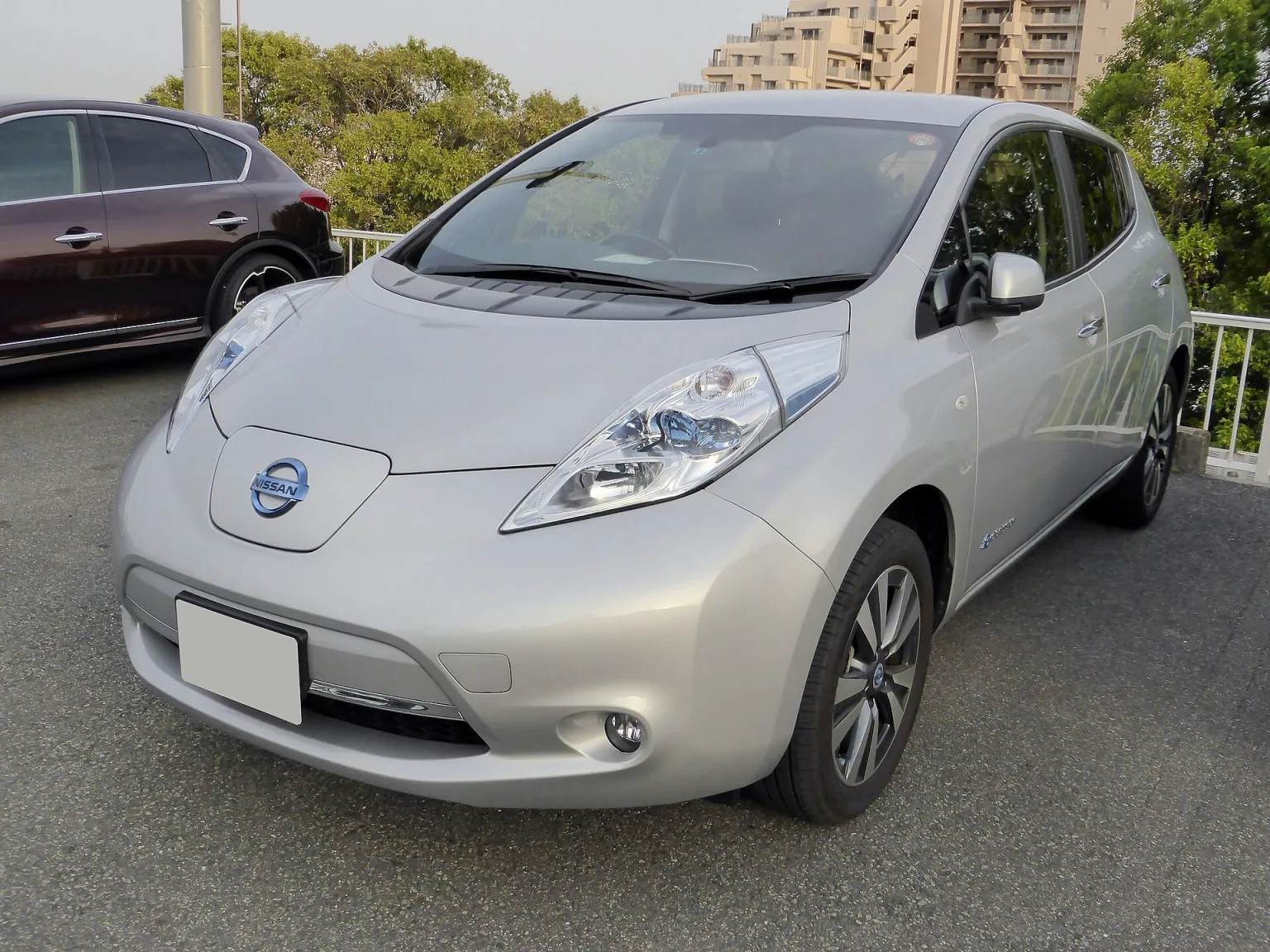
The Nissan Leaf has become the first fully electric vehicle to achieve a five-star overall rating in Euro NCAP crash tests, with the results announced in May 2011. The Leaf scored 89 per cent overall, matching the performance of top-rated conventional cars and repeating its strong showing in US safety assessments.
Euro NCAP’s evaluation covered adult occupant protection, child occupant protection, pedestrian safety and safety assist technologies. The Leaf’s overall result places it among the safest family hatchbacks tested in Europe at the time, despite being powered entirely by electricity. This marks a milestone for electric vehicle safety credentials in the mainstream market.
Battery safety and vehicle design
A key feature in the Leaf’s safety performance is the design of its battery pack. The lithium-ion battery is installed beneath the rear-seat compartment, which not only protects occupants in a collision but also minimises the risk of battery damage or high-voltage leakage. Euro NCAP highlighted that the Leaf’s layout ensures electrical safety for both passengers and emergency responders after a crash.
The Leaf’s structure and restraint systems were developed to meet or exceed the same crash standards as Nissan’s conventional models. Its performance in the Euro NCAP tests demonstrates that electric vehicles can deliver equivalent protection to petrol or diesel cars, addressing early concerns about the safety of high-voltage battery packs in real-world accidents.
Setting the benchmark for electric vehicles
Euro NCAP stated that the Leaf’s result sets the standard for upcoming electric and range-extender models. The organisation’s protocols for electric vehicles include additional checks on battery safety and post-crash electrical hazards. The Leaf’s five-star rating means future electric cars will be expected to meet the same high bar for occupant and battery protection.
For buyers, the Leaf’s top safety rating removes a key barrier to adopting electric vehicles. Nissan’s achievement demonstrates that EVs can compete with established hatchbacks not only on running costs and emissions but also on crash safety. Other manufacturers developing electric models will now face clear expectations from both regulators and customers.
How the Leaf compares to other five-star cars
The Leaf’s five-star Euro NCAP rating puts it in the same league as recent top performers such as the Volkswagen Passat, Alfa Romeo MiTo and Mercedes-Benz A-Class. Unlike those models, the Leaf’s electric powertrain required additional scrutiny of its battery integrity and electrical systems during crash testing. Its success is likely to influence how future EVs are engineered for safety.
- Volkswagen Passat: Five-star Euro NCAP rating in 2011
- Alfa Romeo MiTo: Five-star Euro NCAP rating
- Mercedes-Benz A-Class: Five-star Euro NCAP rating in 2013
- Nissan Leaf: First EV to earn five stars