Saab Sale Falls Short of Covering $1.8 Billion Debt
Administrators overseeing Saab’s bankruptcy say the proceeds from selling the company and its assets will not be enough to clear the outstanding debt, with bids due by 10 April 2012.
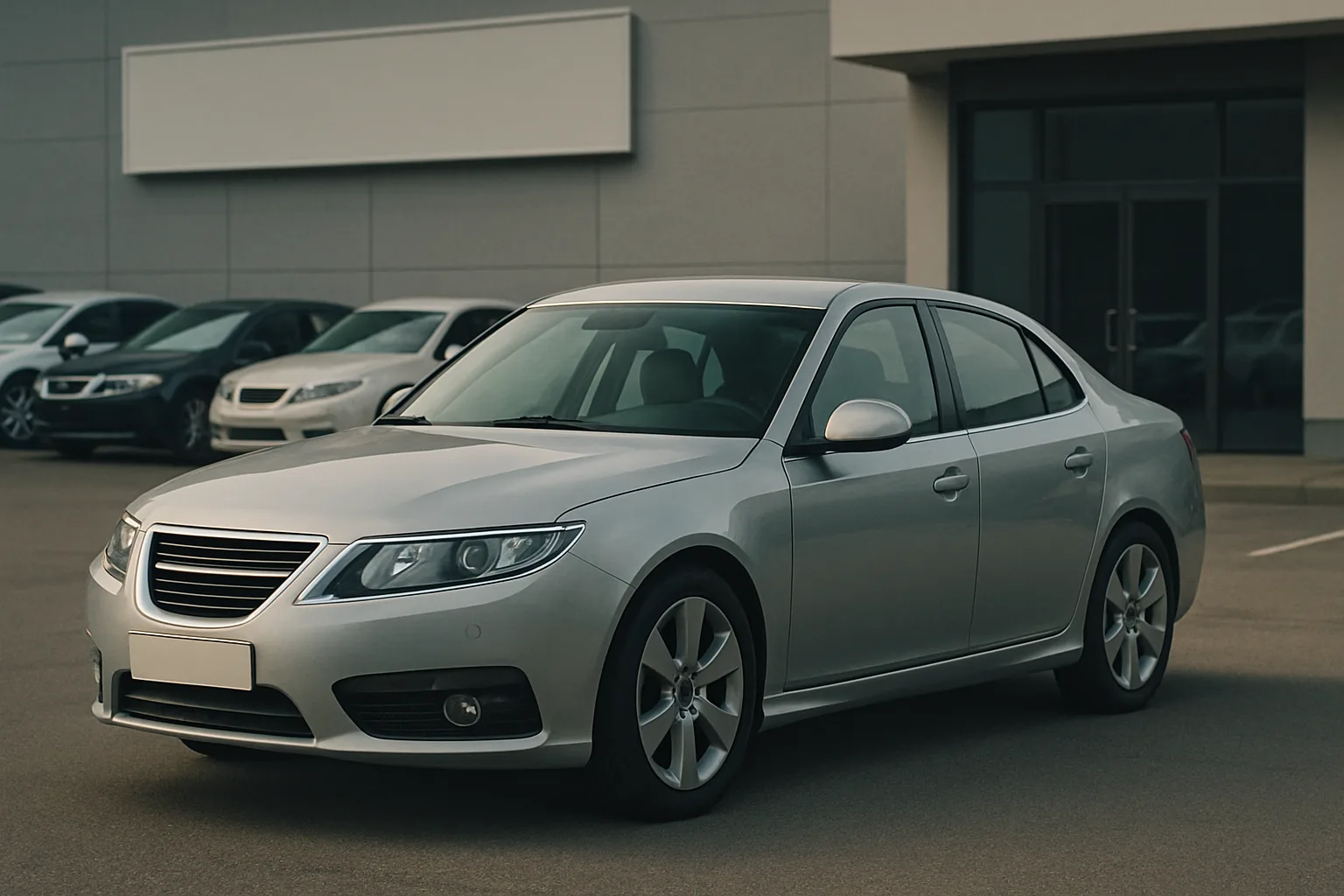
The administrators of Saab’s bankruptcy estate have warned that the sale of the Swedish carmaker and its subsidiaries will not generate enough money to repay the company’s creditors in full. Saab’s total debt is estimated between $1.8 billion and $1.97 billion, but the value of its assets is expected to fall short of that figure, according to the receivers appointed to manage the process.
Saab filed for bankruptcy in December 2011 after months of financial struggle and failed rescue attempts. The company’s Dutch owner, Swedish Automobile, was unable to secure the funding needed to keep the business afloat. The bankruptcy process covers not just Saab Automobile itself, but also its powertrain and tooling subsidiaries.
Sale process and interested parties
The receivers, attorneys Hans Bergqvist and Anne-Marie Pouteaux, set a deadline of 10 April 2012 for final bids. Several parties have expressed interest in acquiring Saab’s assets, with reported focus on using Saab’s technology to restart car production. However, the administrators have not provided a timeline for when a sale might be completed, citing the complexity of the process and the involvement of multiple stakeholders.
A detailed inventory of Saab’s estate is also expected to be presented to creditors on 10 April. The outcome will determine how much creditors, including suppliers and former employees, may recover from the bankruptcy. The shortfall means that some creditors are likely to face substantial losses.
General Motors’ role limits sale options
Saab’s former owner, General Motors, still controls key technology licences used in Saab vehicles. GM’s approval is required for any sale involving its intellectual property, which has complicated negotiations with prospective buyers, especially those from outside Europe. GM has previously blocked proposed deals involving Chinese investors, limiting the pool of potential purchasers.
Uncertain recovery for creditors and employees
With the estate’s value unlikely to match its liabilities, many suppliers, dealers and former staff face the prospect of partial or no repayment. The receivers have not disclosed the expected recovery rate, but the gap between the debt and anticipated proceeds is substantial.
Saab’s collapse followed years of declining sales and an ageing product range, with the brand increasingly dependent on GM platforms and technology. While some bidders are believed to be interested in reviving Saab’s automotive operations, any restart would depend on resolving the technology licensing issues and securing fresh investment.
For more on the final days of Saab and the obstacles that blocked a rescue, see Saab Faces Bankruptcy as Chinese Government Blocks Rescue Loan.