Shelby GT500 and Camaro SS: Muscle Car Showdown in 2009
Motor Trend’s 2009 comparison put Ford’s Shelby GT500 against Chevrolet’s Camaro SS, highlighting the performance gulf and the thinking behind each American muscle car.
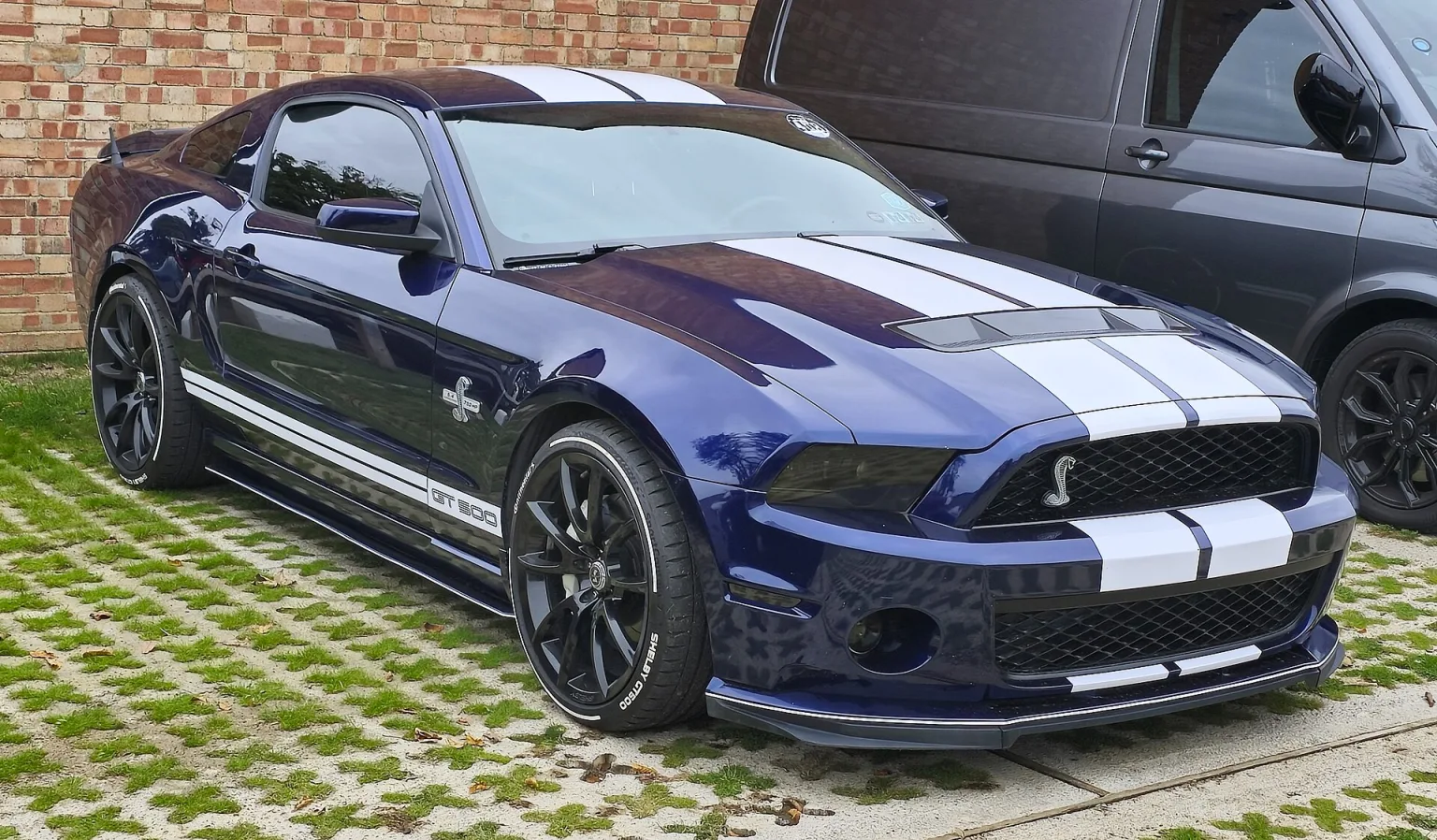
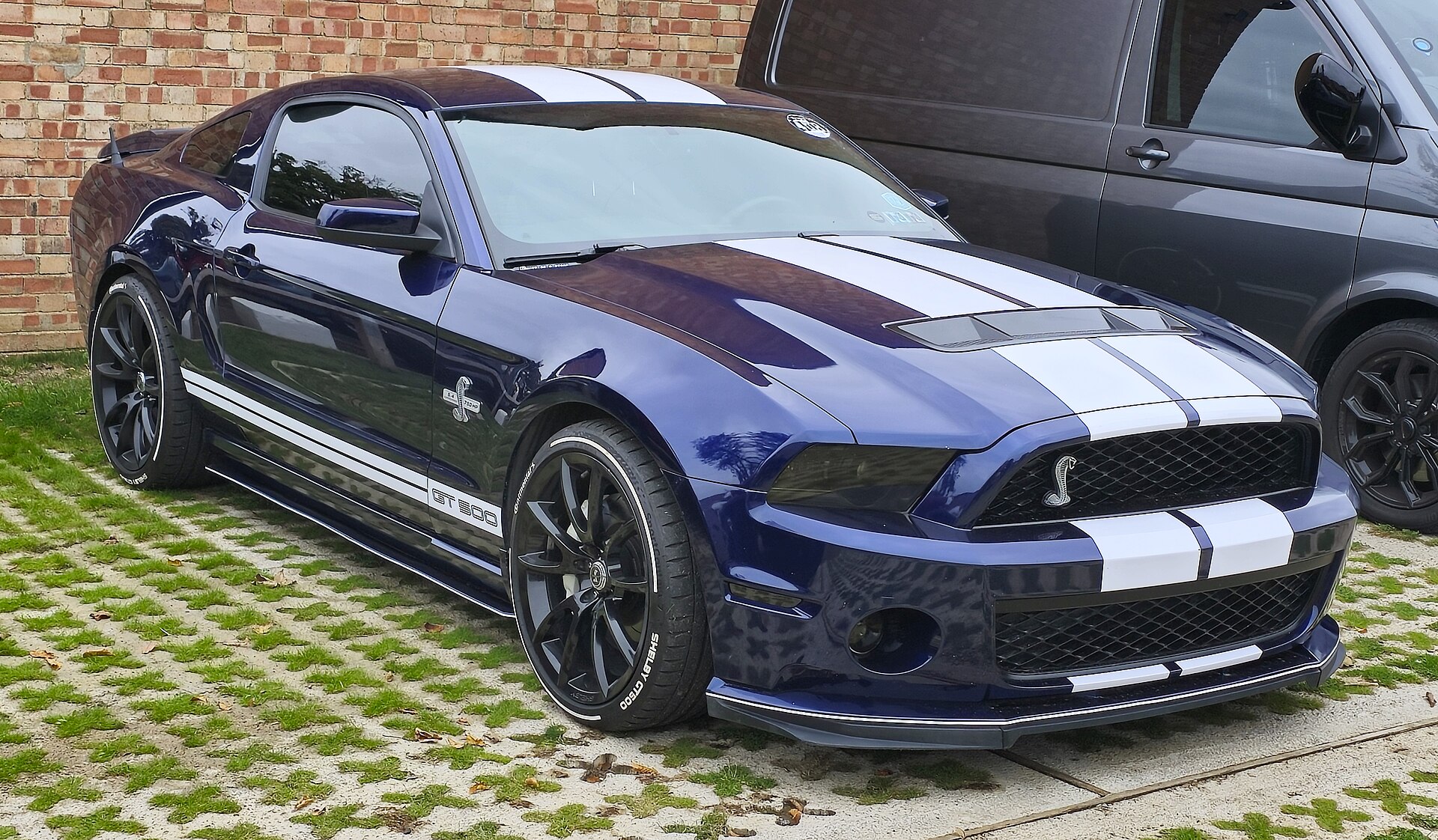
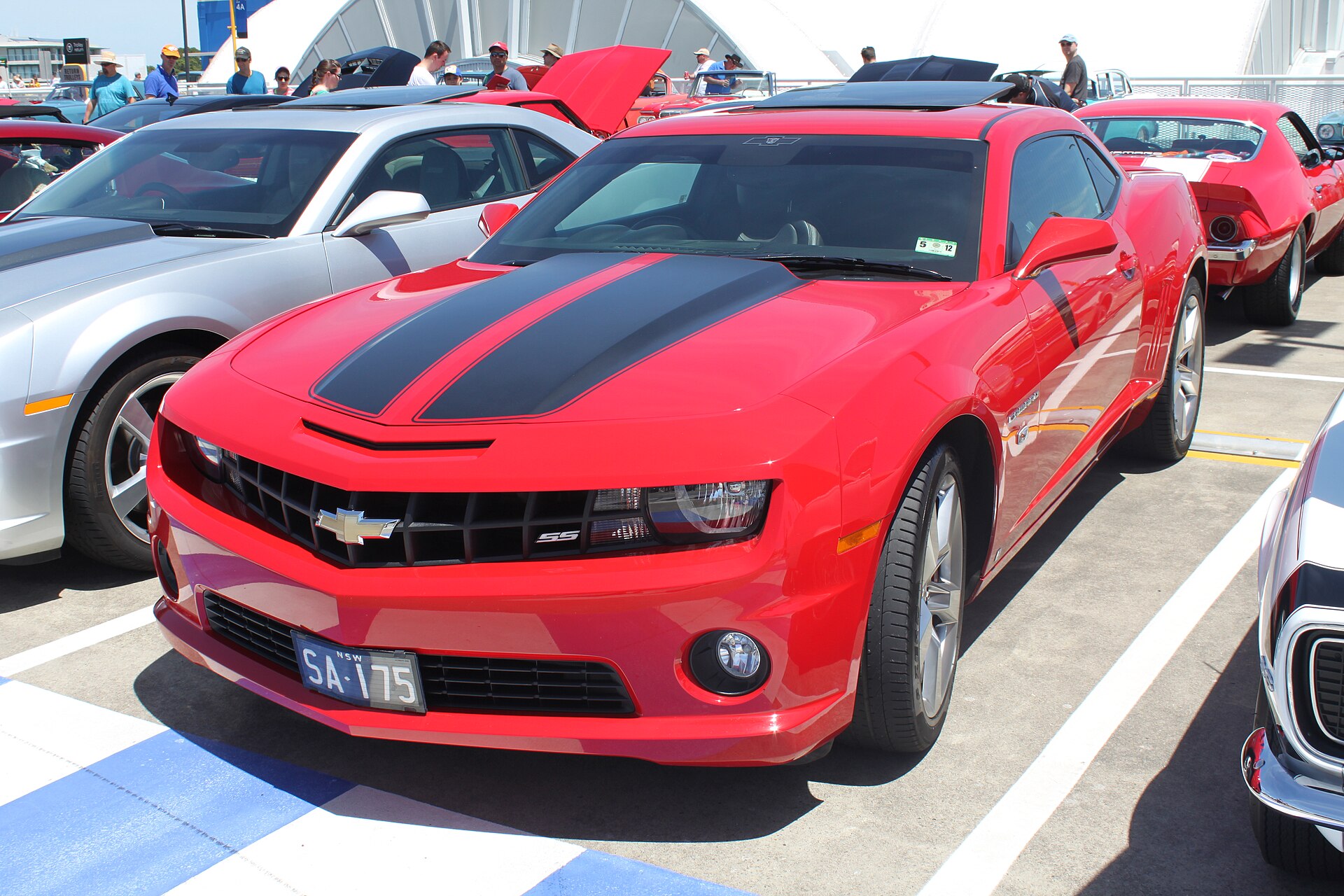
Motor Trend’s 2009 head-to-head between the Ford Shelby GT500 and Chevrolet Camaro SS provided a clear demonstration of the different approaches both companies took to the modern muscle car. The test was widely discussed at the time for its lopsided nature, with the Shelby entering the ring with a substantial power advantage over the Camaro.
The 2009 Shelby GT500 was powered by a supercharged 5.4-litre V8 producing 540 bhp, while the Camaro SS relied on a naturally aspirated 6.2-litre V8 making 426 bhp. The Ford’s forced induction and higher output placed it in a different league, at least on paper. Pricing reflected this, with the GT500 costing noticeably more than the Camaro SS, which was pitched as a more accessible route to V8 performance.
Performance figures from the period showed the Shelby GT500 outpacing the Camaro SS in straight-line acceleration, as expected given the power difference. The Camaro SS, however, was praised for its chassis balance and value for money, offering buyers a compelling mix of performance and everyday usability without the Shelby’s price premium.
Why the comparison mattered
The test was less about crowning an outright winner and more about illustrating the divergent philosophies. Ford’s Shelby GT500 traded on outright power and heritage, while Chevrolet’s Camaro SS focused on affordability and approachability. For buyers, the decision came down to budget, intended use and brand allegiance.
- Shelby GT500: More power, higher price, supercharged V8
- Camaro SS: Lower price, naturally aspirated V8, praised for handling
Subsequent years would see both models evolve, with Ford introducing even more powerful Shelby variants and Chevrolet refining the Camaro’s performance. For the 2009 buyer, though, the Motor Trend comparison made clear that these two icons were aimed at slightly different customers, and that direct comparisons were as much about brand as outright numbers.