Tech and chip firms draw investor cash as smart cars gather pace
Investors are shifting their attention from traditional carmakers to technology and semiconductor companies, betting on the rapid growth of connected and autonomous vehicle technology.
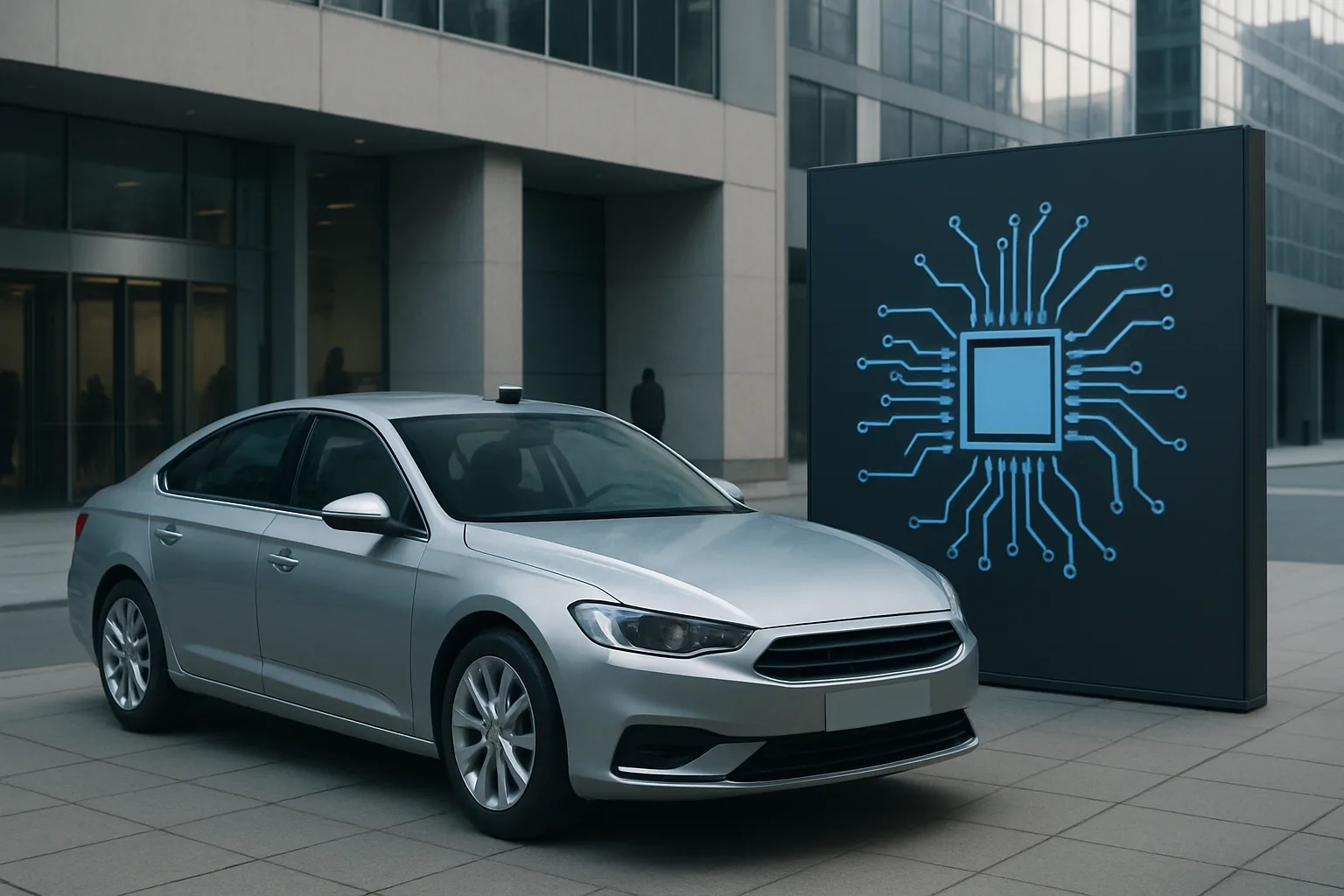
Investment capital is flowing away from established car manufacturers and towards technology and semiconductor firms, as the market for smart and connected vehicles accelerates. While carmakers are developing the next generation of intelligent vehicles, it is the suppliers of connectivity, software and chips that are attracting the most interest from investors.
Analysts expect the connected car sector to be worth around $50 billion within ten years, with much of that value driven by advances in connectivity, automation and in-car software. This growth is not only spurring innovation but also changing the direction of investment. Fund managers and technology analysts are steering their clients towards companies like Infineon, Microsoft and Google, rather than traditional automotive names such as Peugeot or Renault.
Google's involvement in autonomous vehicle development, including the public testing of its own prototypes, has made it a prominent player in the sector. The company's influence extends beyond driverless technology, with its Android Auto platform now available in partnership with multiple carmakers, allowing drivers to control smartphone functions through their car's interface. Apple has also entered the market with CarPlay, providing a similar service for iPhone users.
Why investors prefer tech over carmakers
The rationale for this shift is straightforward: technology and chip companies supply the core components and software that enable connected and autonomous functions, regardless of which car brand adopts them. As a result, investors see greater potential for growth and diversification by backing these suppliers rather than the carmakers themselves, who face higher development costs and more direct competition.
Chipmakers such as Infineon are seen as particularly well positioned, providing essential hardware for everything from advanced driver assistance systems to infotainment and connectivity modules. Software giants like Microsoft are also in demand, as carmakers increasingly rely on external partners to deliver secure, updatable and compatible in-car operating systems.
Automakers adapt to a new investment climate
While carmakers remain central to the integration and certification of new technologies, their role is shifting. Many are forming alliances with technology companies to ensure their vehicles stay competitive as digital platforms become a key selling point. The focus for investors, however, remains on those supplying the underlying technology rather than those assembling the final product.
For car buyers, the result is a rapid increase in the availability of connected features and smartphone integration, with more models now offering platforms like Android Auto and CarPlay as standard or optional equipment. For the industry, the trend highlights the growing importance of software, data and connectivity in determining the value and differentiation of future vehicles.
For related coverage of how carmakers are integrating smart home and connected technologies, see Volkswagen demos in-car control of Magenta SmartHome at IFA 2017.