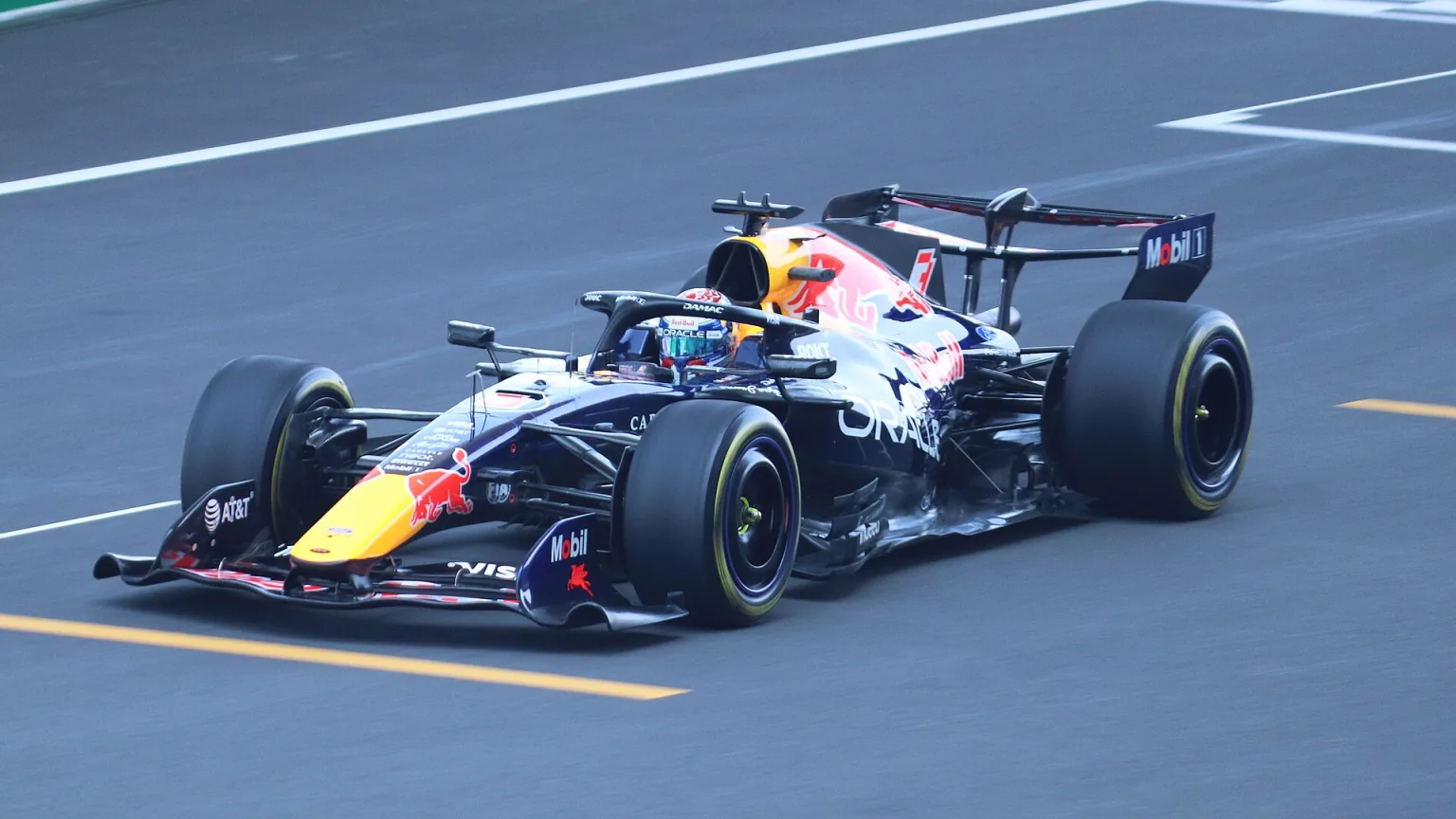
Software glitch halts Sepang F1 start as drivers lose power
A software fault during the Sepang Grand Prix formation lap left several Formula 1 cars without power, delaying the start while the FIA issued a fix affecting Red Bull, Ferrari and Mercedes teams.
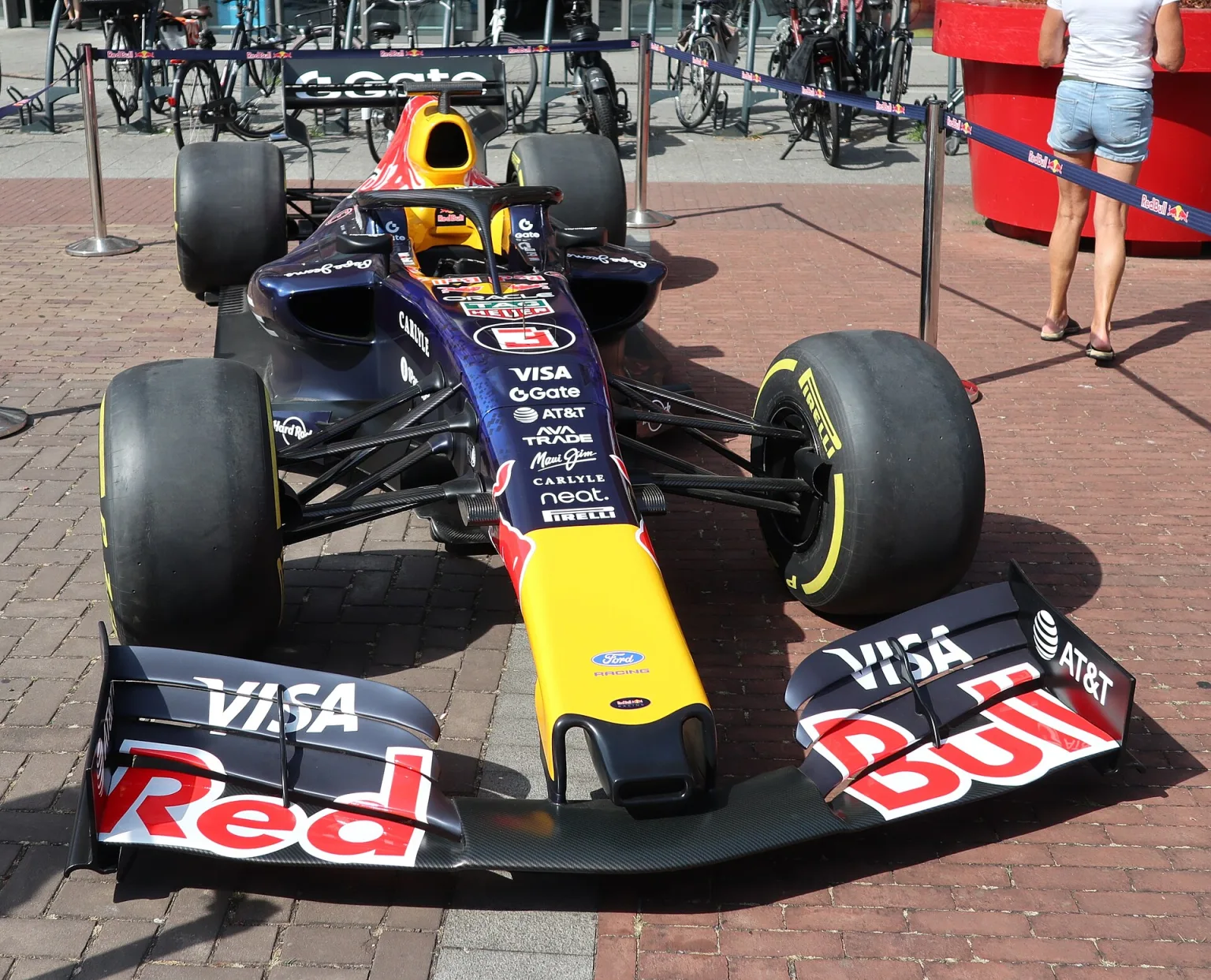
A software glitch caused multiple Formula 1 cars to lose power during the formation lap at the Sepang Grand Prix, forcing a delay to the start as the FIA scrambled to issue a software update to resolve the problem.
The glitch struck both Red Bull and Ferrari power units, with Mercedes also affected. Max Verstappen's car nearly came to a halt on the lap to the grid, but a switch change on his steering wheel restored power. Lewis Hamilton reported a loss of power and had to restart his car to rejoin the grid. Other drivers faced similar difficulties, leading to confusion and radio messages about cars being stranded or unable to accelerate.
The incident highlighted the vulnerability of modern Formula 1 cars to software faults, especially given the complexity of current hybrid power units and the reliance on electronic control systems. Teams were left unable to intervene directly as the issue was traced to software governing power unit settings, requiring the FIA to intervene before the grid could be reformed and the race restarted.
How drivers and teams responded
Verstappen was able to recover by adjusting a setting on his steering wheel, but not all drivers had such quick fixes. Hamilton's need to restart his car underlined how software issues can leave even the most experienced drivers temporarily powerless. Andrea Kimi Antonelli was the first driver who appeared to be unaffected, continuing his formation lap without incident while others struggled to regain control.
The start procedure was only able to resume once the FIA had pushed out a software update to the affected cars. The specifics of the update were not made public, and it is not known what long-term changes, if any, will be made to prevent a repeat. The incident has raised questions about the robustness of software controls in high-pressure racing environments, and how quickly governing bodies and teams can respond when problems occur on the grid.
Technical risks in modern F1
With hybrid power units and complex control electronics, Formula 1 teams are increasingly exposed to software-related risks that can have immediate and highly visible consequences. The Sepang incident demonstrated that even minor glitches can cascade into race delays, confusion and potential safety concerns. As teams seek performance advantages through software, the margin for error narrows, and the role of governing bodies in managing technical crises becomes more prominent.
No details of the underlying fault or the FIA’s software fix have been released. What is clear is that the Sepang formation lap disruption forced teams and officials to confront the operational fragility that comes with ever-increasing software complexity in Formula 1.