Software Takes Centre Stage in Modern Car Development
Automakers and tech companies are reshaping vehicles as software-driven platforms, with connectivity, automation and digital services now core to new car design.
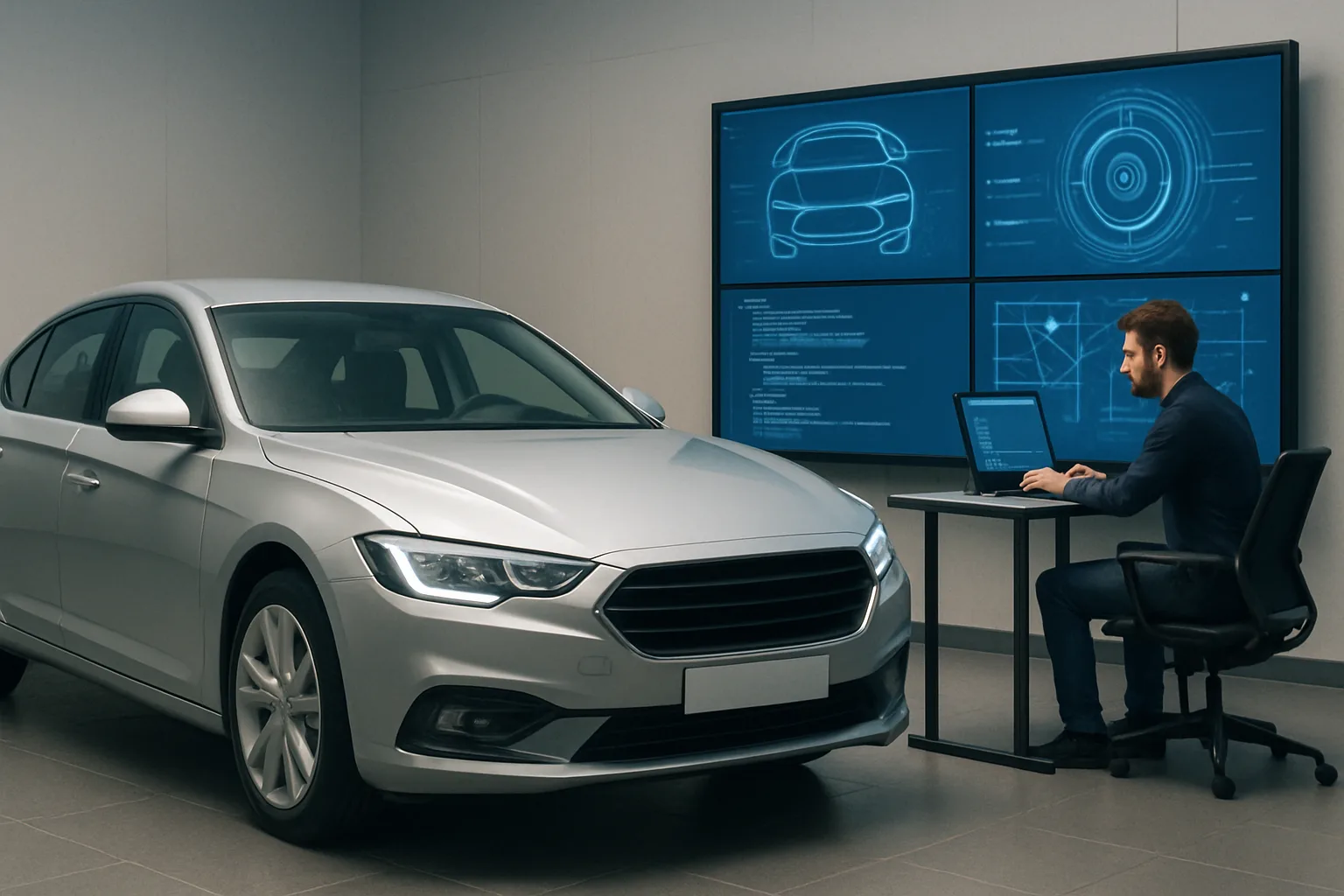
Automotive manufacturers are shifting focus from hardware to software, with connected features and digital services now driving competition as much as engines or chassis. The integration of complex software in new vehicles is reshaping how cars are designed, built and sold.
The rise of the smartphone has changed user expectations. Drivers now demand seamless connectivity, intuitive interfaces and regular updates, much like they receive on their phones. Carmakers are responding by integrating advanced infotainment, navigation and driver assistance systems that rely on millions of lines of code. Safety-critical features such as automatic emergency braking and adaptive cruise control depend on robust, secure software.
Tech companies and new partnerships
The arrival of Apple CarPlay and Android Auto marked a turning point, as major tech companies began supplying the software backbone for in-car entertainment and connectivity. Automakers have also formed partnerships with firms like Microsoft to develop cloud-connected services, while others have established research centres in Silicon Valley to keep pace with digital trends. Ford, for example, opened its Palo Alto R&D centre to accelerate software development for connected and autonomous vehicles.
Traditional suppliers are adapting as well. Electronics specialists such as Autoliv are developing new in-car safety systems that rely on software to monitor driver behaviour or detect alcohol consumption. Meanwhile, telecoms companies like Sprint have supplied embedded wireless connectivity for vehicles, enabling features such as remote diagnostics and live traffic updates.
Connected cars and over-the-air updates
With vehicles increasingly connected to the internet, manufacturers can now deliver over-the-air (OTA) software updates. This allows them to fix bugs, add features or improve performance without a visit to the dealer. Owners benefit from cars that stay current, while manufacturers gain new revenue streams from digital services and data-driven products.
The shift to software-driven vehicles is also changing the skills required in the industry. Carmakers are hiring more software engineers and investing in digital infrastructure. Some, like Tesla, have built their own operating systems and app stores, while others rely on established tech partners. This competition for talent and intellectual property is intensifying as autonomous driving and full connectivity become priorities.
Challenges for manufacturers and owners
Software brings new challenges. Cybersecurity is a growing concern, as connected cars become targets for hackers. Ensuring reliability and safety in complex code is critical, especially as more vehicle functions depend on software. Data privacy is another issue, as connected cars collect and transmit information about drivers and journeys.
For owners, the benefits include access to new features, improved safety and the potential for lower insurance premiums if telematics data shows safe driving. For manufacturers, software opens up new business models, from subscription services to pay-per-use features.
As the industry continues its digital transformation, software will remain central to how cars are developed, sold and experienced. The traditional boundaries between carmakers, suppliers and tech firms are blurring, with the next generation of vehicles defined as much by their code as by their mechanical engineering.