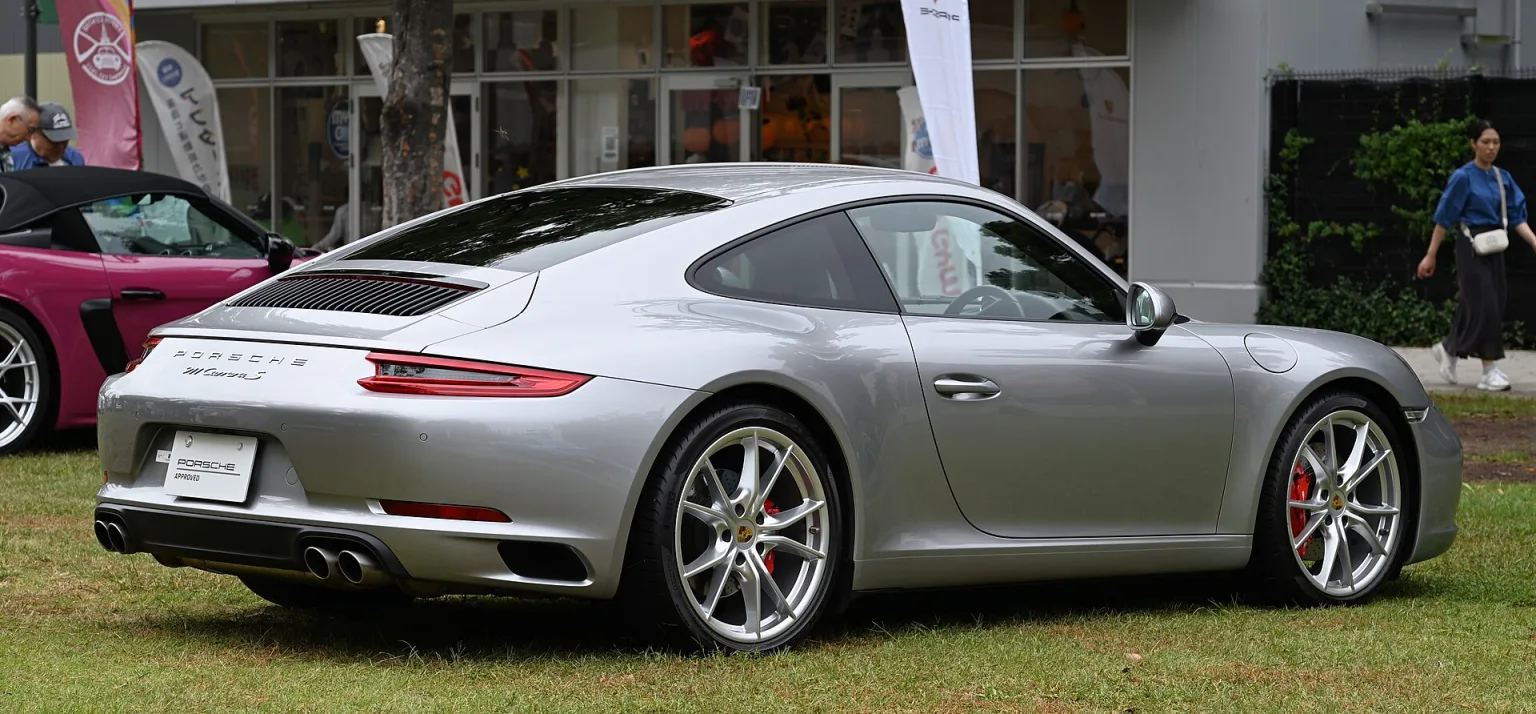
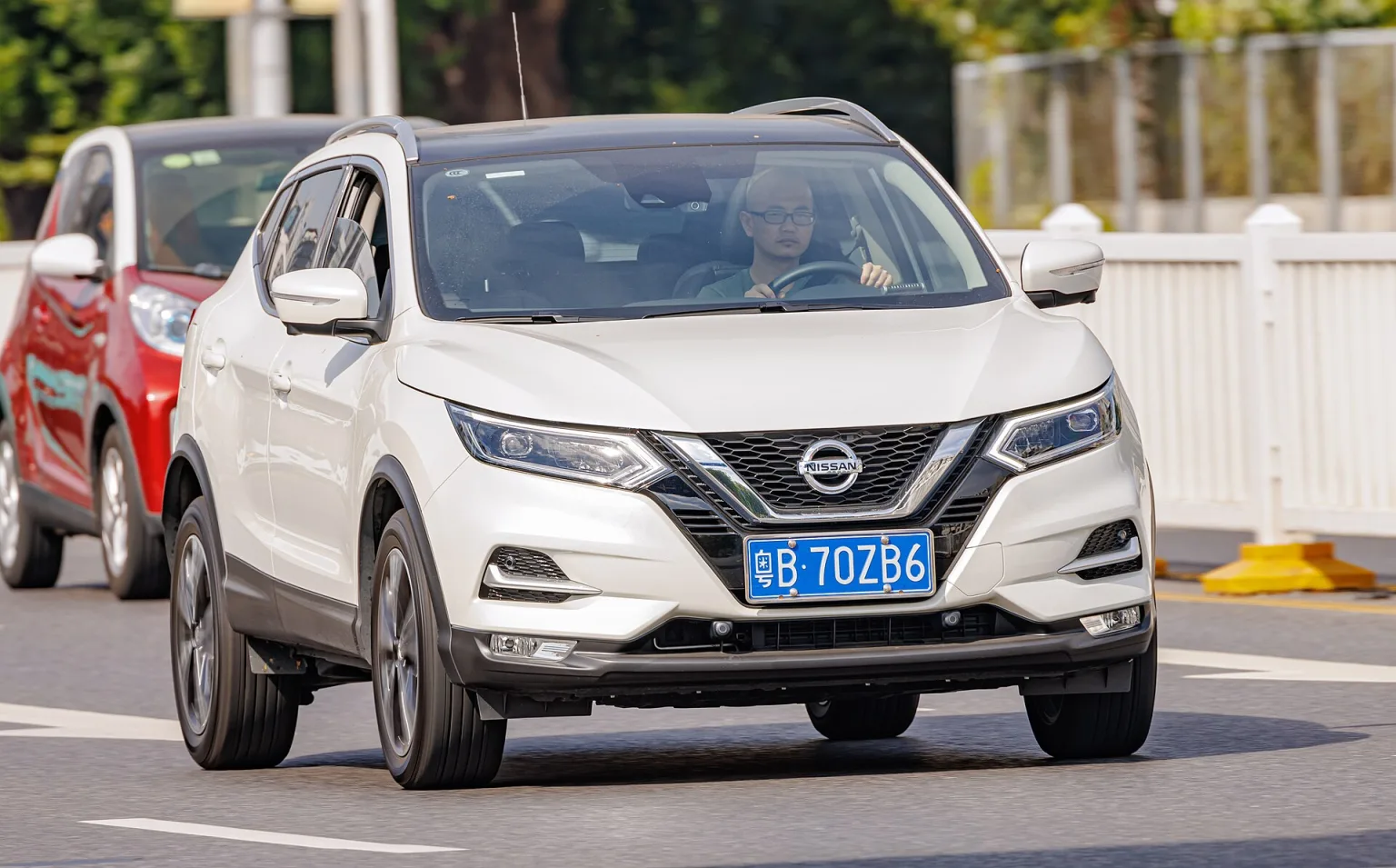
German luxury carmakers surge in South Korea as imports near export value
A decade after European tariffs were scrapped, BMW and Mercedes-Benz have led German brands to a dominant position in South Korea’s premium car market, challenging local giants Hyundai and Kia.
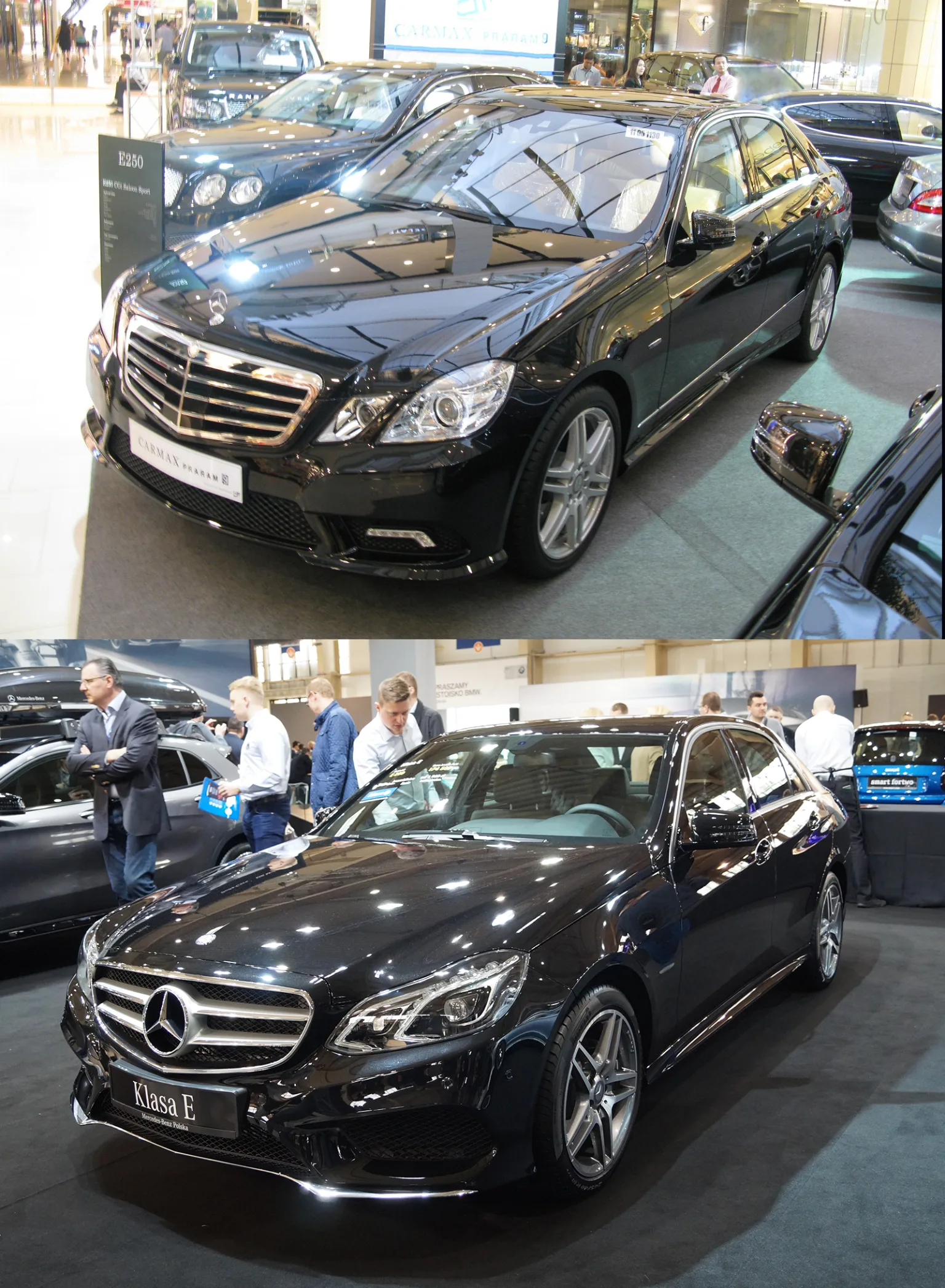
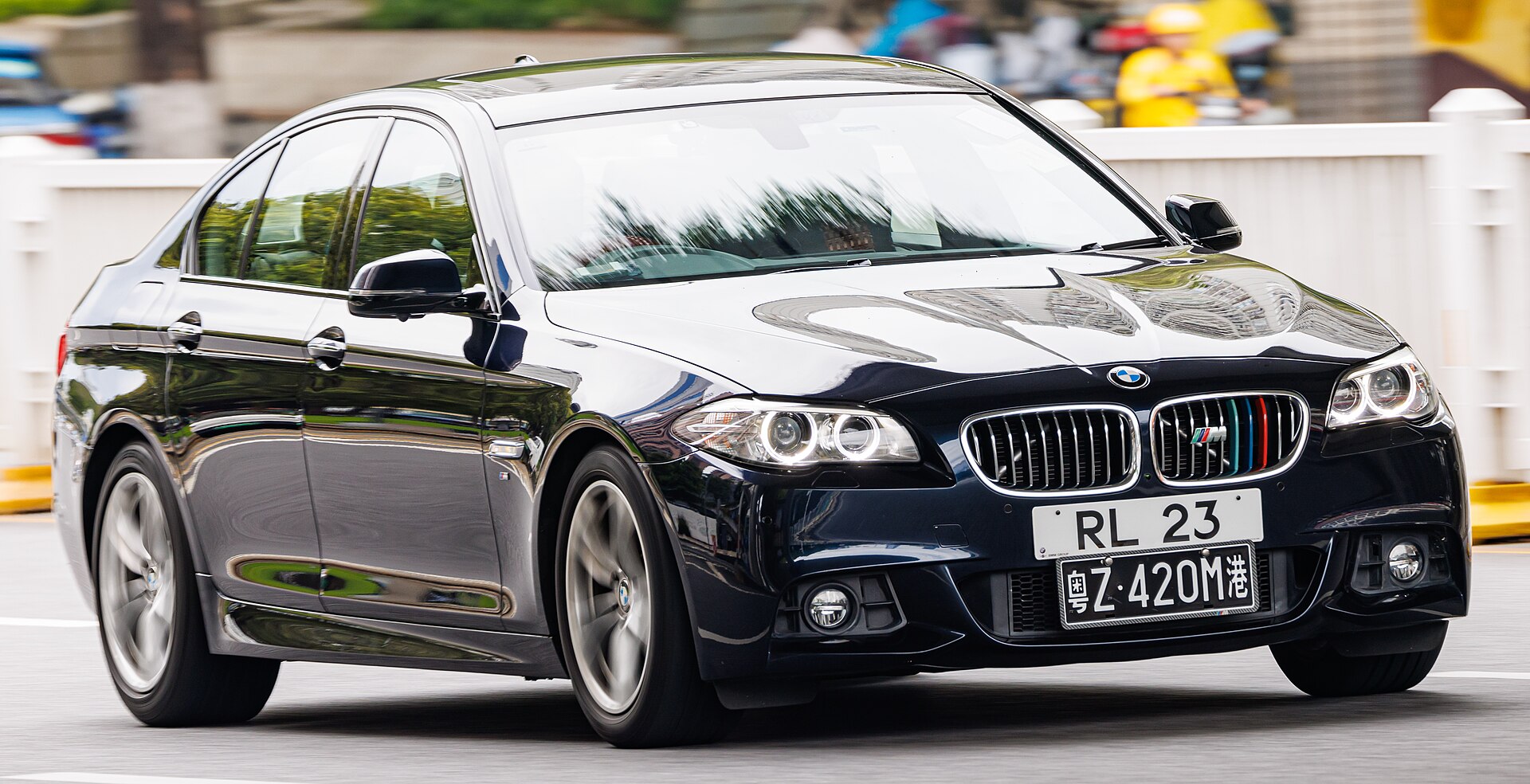
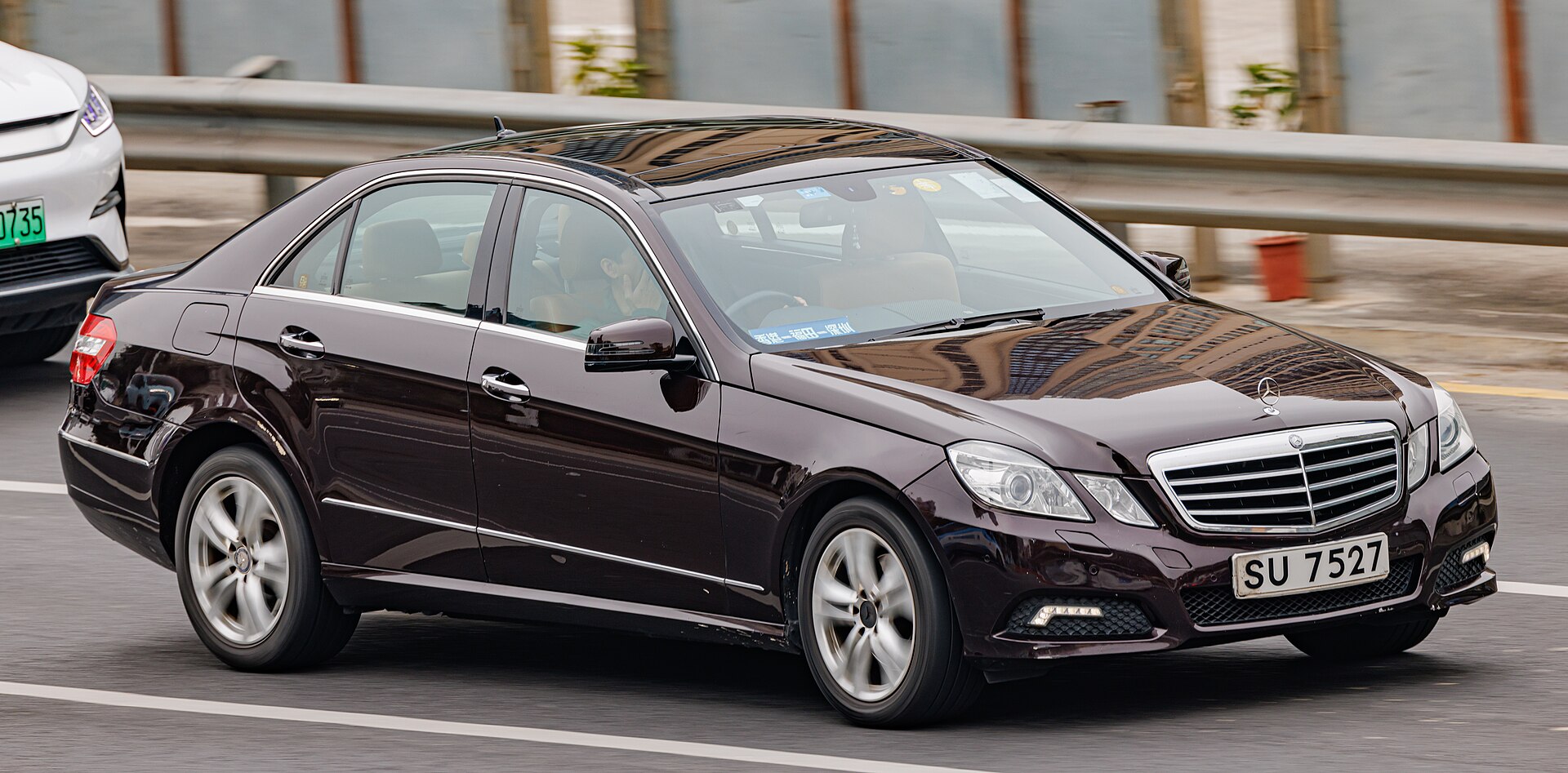
German luxury carmakers have tightened their grip on South Korea’s import market, with brands like BMW and Mercedes-Benz driving a surge that has seen European car imports approach the value of South Korean automotive exports for the first time in 24 years.
Customs figures for January to September 2014 show European car imports into South Korea rising 60% year-on-year to $4.6 billion, while exports from South Korean carmakers reached $4.4 billion over the same period. This shift follows the 2011 free trade agreement that eliminated tariffs on European vehicles, making German brands far more accessible to South Korean buyers.
German brands dominate the premium segment
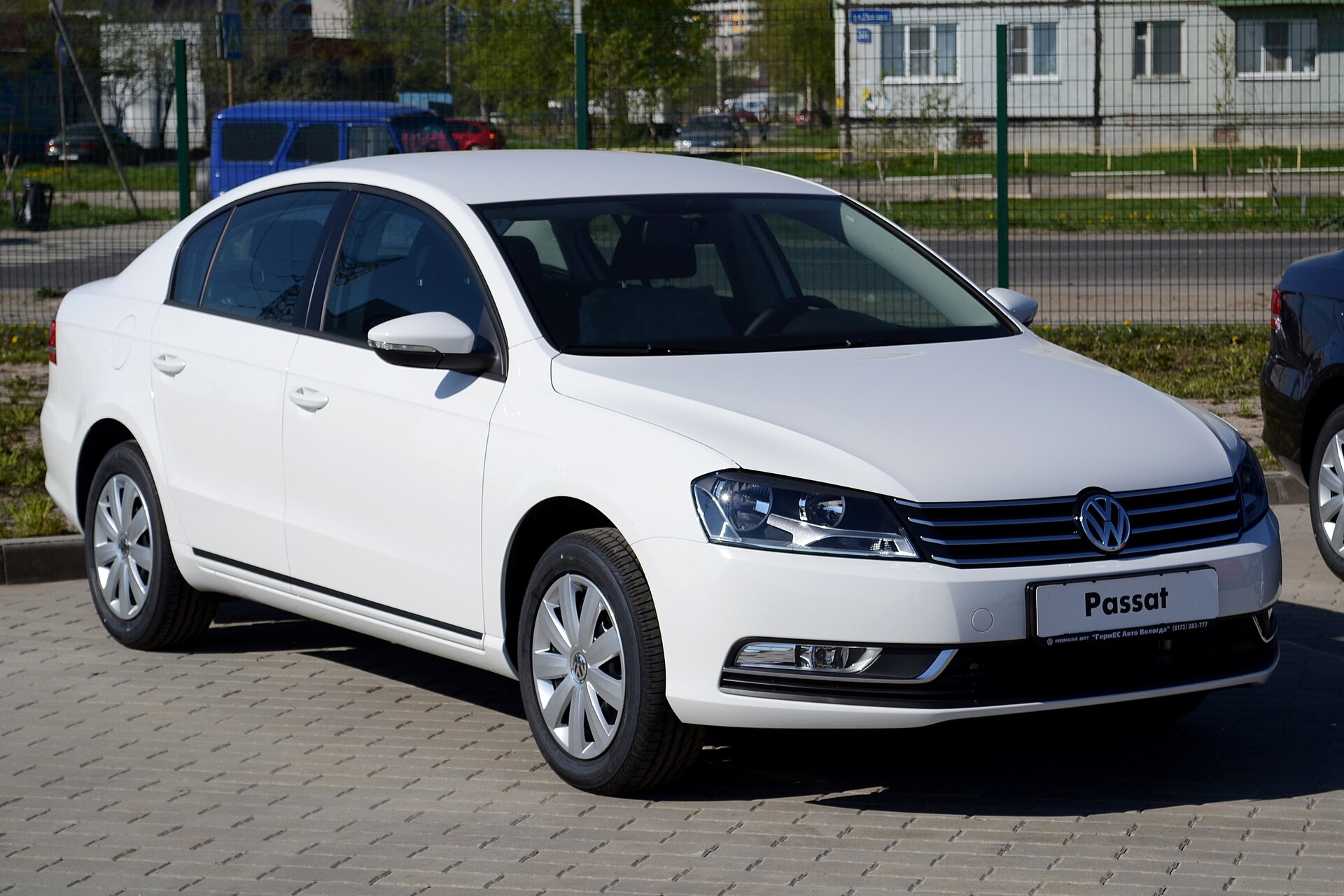
German marques have taken 71% of South Korea’s imported car market, according to official data. BMW and Mercedes-Benz are the clear leaders, with Volkswagen also benefitting from the shift in consumer preference. A decade ago, imported cars made up a negligible share of the market, but by 2014 their market share had jumped to 14%.
The rapid rise is a marked change from the strong protectionist sentiment that once defined the South Korean market. Until recently, foreign cars were rare and sometimes even targeted for vandalism. The 2011 free trade deal with the European Union changed the equation, removing import tariffs and opening the door to premium European brands. German manufacturers have responded by expanding their local line-ups and marketing efforts, targeting a growing class of affluent buyers seeking luxury and status.
Impact on domestic carmakers
Despite the surge in imports, Hyundai and Kia continue to dominate overall sales, holding nearly 70% of the domestic market. The challenge from German brands is most evident in the premium segment, where local brands have historically struggled to match the cachet of their European rivals.
South Korea’s shift towards imported luxury cars has forced domestic manufacturers to rethink their strategies. Hyundai’s Genesis luxury brand, for example, has been developed in part as a direct response to the success of BMW, Mercedes-Benz and Audi in the market. The changing dynamic has also prompted global carmakers to expand their South Korean offerings across more segments, hoping to erode the dominance of local brands.
Changing consumer attitudes
The shift in buying patterns reflects a broader change in South Korean consumer attitudes. Where imported cars once faced suspicion and even hostility, they are now seen as desirable symbols of success. The elimination of tariffs, rising incomes and a growing appetite for luxury goods have all contributed to the trend.
With German brands now firmly established and local manufacturers under pressure to compete in the premium space, South Korea’s car market has become a key battleground for global luxury marques.