Steel Industry Steps Up Fight as Automakers Shift to Aluminium
Ford’s aluminium-bodied F-150 and Jaguar’s XE push carmakers further from traditional steel, prompting steelmakers to accelerate high-strength steel development and defend market share.
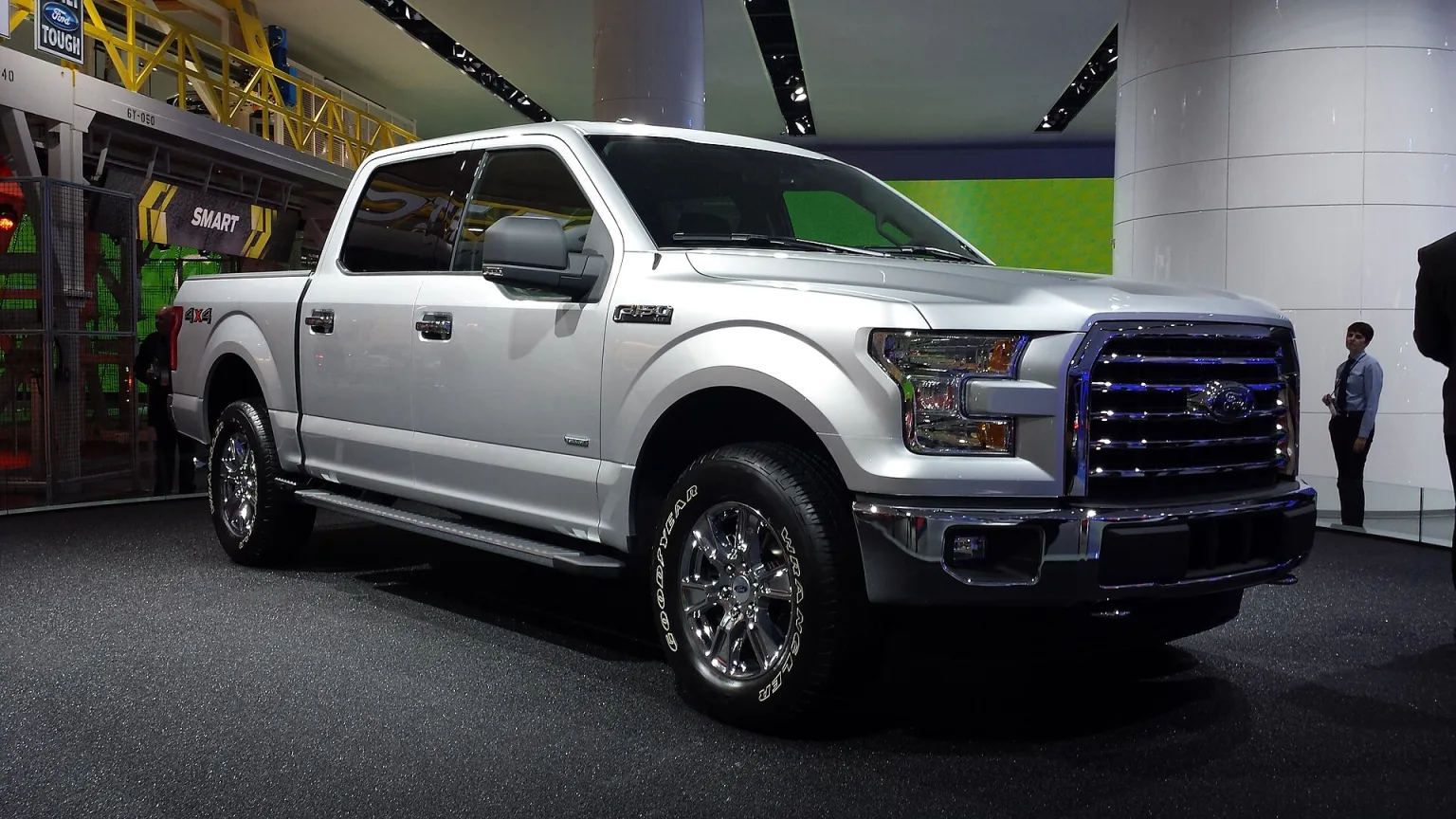
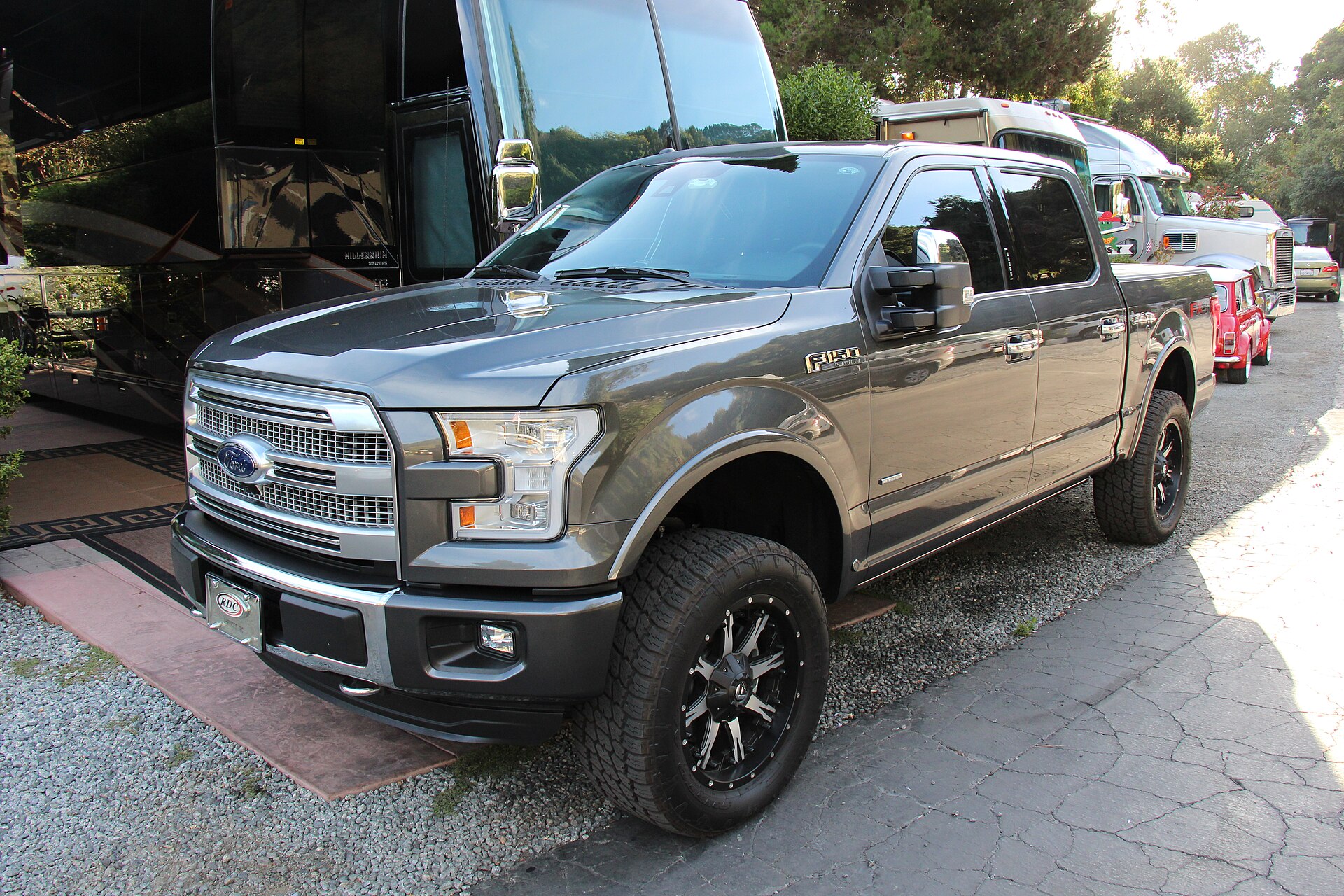
Ford’s move to build its latest F-150 pickup with an aluminium-intensive body has forced the steel industry into a defensive position, as carmakers look to lighter materials to meet tightening fuel economy and emissions targets. The F-150, a best-seller in North America, marks a major departure from the sector’s reliance on steel for body panels and structure.
Jaguar has followed a similar path with the XE saloon, which uses aluminium for around three-quarters of its structure. These high-profile launches signal a shift in the materials arms race, with aluminium’s weight advantage offering clear benefits for performance and efficiency.
Steelmakers’ response: high-strength alloys
The steel industry is not conceding quietly. Suppliers in North America and Europe have accelerated development of advanced high-strength steels (AHSS), aiming to narrow the weight gap while retaining steel’s cost and manufacturing advantages. According to industry figures, AHSS can offer weight savings of up to 25% over conventional steel, though still heavier than aluminium for equivalent strength.
Steel’s main advantage remains price. Bloomberg data puts aluminium sheet at around $2,200 per tonne, compared to $300 per tonne for sheet steel and $500 for shredded auto scrap. For mass-market vehicles, this price difference is substantial, especially when multiplied across millions of units. Steelmakers are betting that improved alloys can deliver enough weight reduction to keep steel viable for key structural and safety-critical parts.
Implications for automakers and suppliers
Automakers face a balancing act between the cost of lightweighting and the regulatory and consumer demand for more efficient vehicles. Aluminium’s higher price is offset by the potential for better fuel economy and lower emissions, but only on vehicles where buyers are willing to pay a premium or where regulations demand drastic weight cuts.
- Ford F-150: First high-volume pickup to adopt aluminium body.
- Jaguar XE: Aluminium-intensive saloon targeting premium buyers.
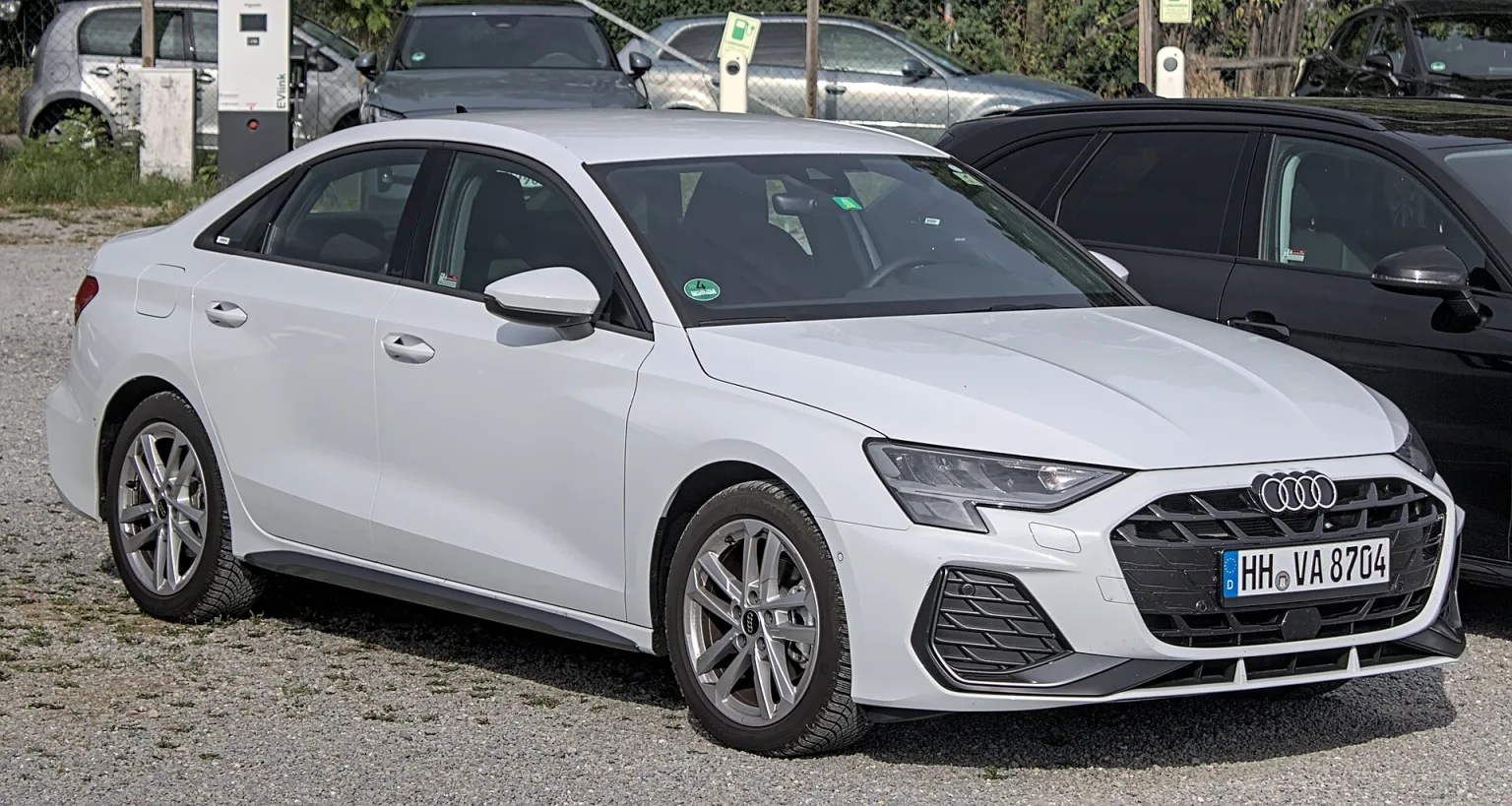
- Audi A8 (previous generation): Early adopter of aluminium spaceframe technology.
For suppliers, the shift means retooling plants and investing in new forming and joining technologies. Steelmakers are working closely with car companies to demonstrate the crash performance and durability of high-strength steels, positioning them as a lower-cost alternative to aluminium for key components.
The future of automotive materials
While aluminium is likely to gain ground in premium and high-profile models, steelmakers expect the majority of the global car market to remain steel-based for the foreseeable future. The next few years will see more hybrid structures, with each material used where its properties offer the greatest advantage. The battle for the car’s body-in-white is far from over, but the era of unchallenged steel dominance is clearly ending.