Autonomous Cars Forecast to Reach 9% of Global Sales by 2035
IHS Automotive predicts nearly 12 million self-driving vehicles will be sold in 2035, with established markets leading early adoption.
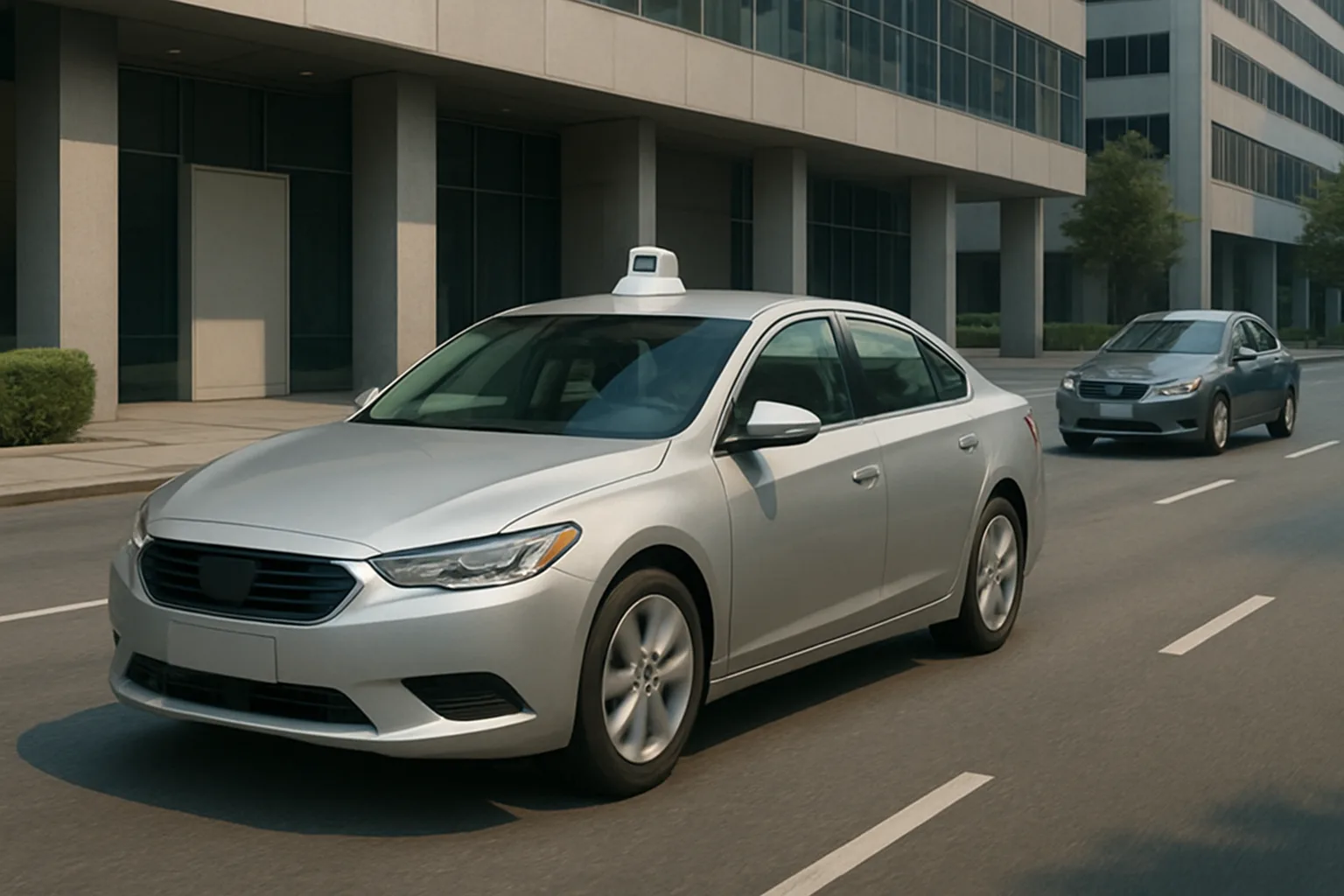
By 2035, nearly one in ten new cars sold worldwide will be capable of fully autonomous driving, according to a forecast from IHS Automotive. The consultancy expects global sales of self-driving vehicles to reach 11.8 million that year, or 9% of the projected 129 million new car sales.
The IHS study defines autonomous cars as vehicles able to drive themselves without driver attention. No such vehicles are currently available to private buyers, but the consultancy anticipates the first models will arrive by 2025. Early sales volumes are expected to be modest, with around 230,000 self-driving cars forecast for 2025, less than 1% of the 115 million new cars expected to be sold globally that year.
Growth expected to accelerate after 2025
IHS expects uptake of autonomous vehicles to accelerate rapidly in the decade following their introduction. The projected rise from 230,000 units in 2025 to nearly 12 million in 2035 reflects growing consumer acceptance, regulatory adaptation and technology cost reductions. The consultancy suggests the adoption curve for autonomous vehicles will outpace that of electric cars, which have been limited by high battery costs and infrastructure challenges.
Early adoption is expected to be concentrated in established markets. The United States, Western Europe and Japan are likely to see the highest initial sales, driven by higher incomes, supportive regulatory environments and greater investment in autonomous technology. Other regions may follow as costs fall and infrastructure improves.
Implications for manufacturers and suppliers
The projected growth in autonomous vehicle sales will require manufacturers to invest heavily in software, sensors and systems integration. Suppliers working in these fields are expected to see increased demand as automakers race to bring fully self-driving models to market. The timeline outlined by IHS suggests that companies not already developing autonomous technology risk falling behind as the market accelerates toward 2035.
The shift also raises questions for car dealers, insurers and regulators. Dealers will need to adapt their sales and aftersales processes to vehicles with fundamentally different technology and maintenance requirements. Insurers, meanwhile, may need to overhaul risk models as responsibility for accidents shifts from drivers to autonomous systems, a topic explored in more depth inAutonomous Vehicles Expected to Slash Motor Insurance Premiums by 2035.
Comparison with electric vehicle adoption
The IHS forecast suggests that autonomous cars may achieve higher market penetration than electric vehicles in a similar timeframe. Electric cars have faced obstacles including battery cost and charging infrastructure, which have slowed their uptake. By contrast, autonomous technology is expected to benefit from rapid advances in computing, connectivity and regulatory support, especially in developed markets.
While the IHS study was published in early 2014, subsequent developments have seen manufacturers, technology companies and regulators continue to invest in autonomous driving. For example, Google has stated its readiness to partner with automakers on self-driving car development, as covered inGoogle Says Its Ready to Jointly Develop Autonomous Cars with Automakers. The pace of progress remains subject to technical, legal and consumer acceptance challenges, but the direction of travel is clear from the figures outlined by IHS.