Study finds women outperform men in UK parking test
A month-long survey of 2,500 British drivers by NCP found women scored higher than men on parking accuracy and technique, challenging common stereotypes.
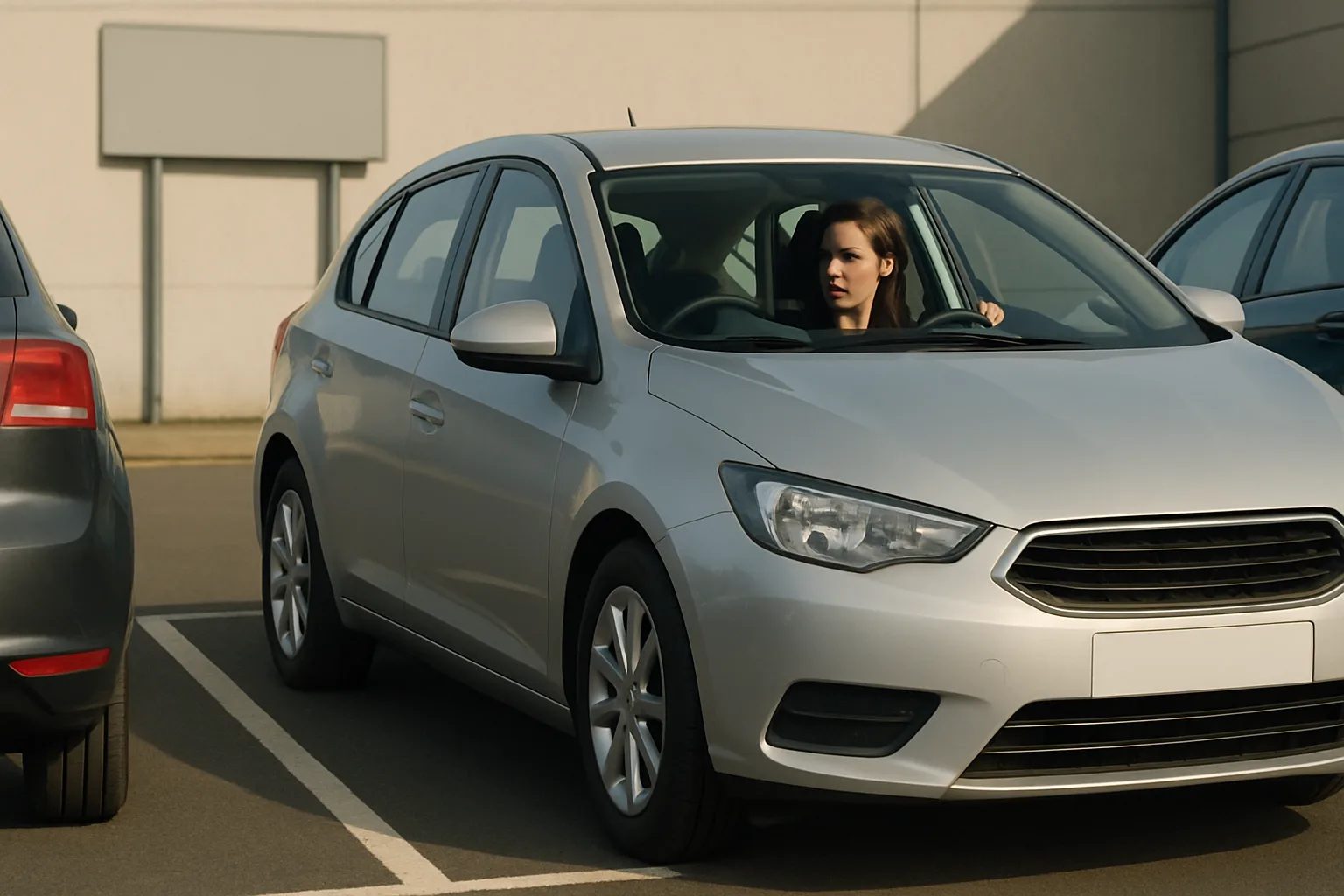
A recent UK study conducted by parking operator NCP has revealed that women drivers performed better than men in a series of parking assessments. This finding challenges the stereotype that men are generally more skilled at parking. The month-long research involved observing 2,500 drivers at 700 car parks across England, providing a large and diverse sample for analysis.
Women Outperform Men in Parking Study
How the Study Was Conducted
Participants in the study were assessed on several aspects of parking, including their ability to find available spaces, align their vehicles before manoeuvring, and park using techniques recommended by driving instructors. The focus was on bay parking in controlled car park environments. Each driver could score up to 20 points for accuracy, positioning, and method. Notably, the study did not include parallel parking on public roads, which remains a common challenge for many drivers.
Study Results: Women Score Higher
The results showed a clear difference between genders. Women drivers achieved an average score of 13.4 out of 20, while men averaged 12.3. One of the most striking differences was in parking accuracy: 53% of women parked centrally within the bay, compared to just 25% of men. Men were more likely to leave their vehicles off-centre or fail to adjust their position after parking. Women were also more likely to reverse into bays, a method favoured by driving instructors for its safety and precision.
Expert Commentary and Possible Explanations
Neil Beeson, a Yorkshire-based driving instructor who calculated the scores for NCP, expressed surprise at the outcome. In his experience, men had typically performed better during lessons. However, he suggested that women might be better at retaining the information and techniques taught during instruction, which could explain their higher scores in the study.
Limitations and Debate
While the findings suggest women are more accurate in bay parking, the study's exclusion of parallel parking on public roads has led some experts to question whether the results would have differed had this more complex manoeuvre been included. Parallel parking often presents additional challenges, such as tighter spaces and increased pressure from traffic, which were not factors in the controlled car park settings used in the study.
Implications and Public Reaction
The study has sparked discussion about gender and driving skills, particularly in relation to parking. It challenges assumptions and may influence how driving instruction is approached in the future. The findings could also encourage further research into different types of parking and the impact of instruction methods on long-term driver performance.