Subaru BRZ Crashes in Estonia After Driver Loses Control
A recently delivered Subaru BRZ left the road and ended up in a ditch in Estonia, damaging its front end but with no confirmed injuries reported.
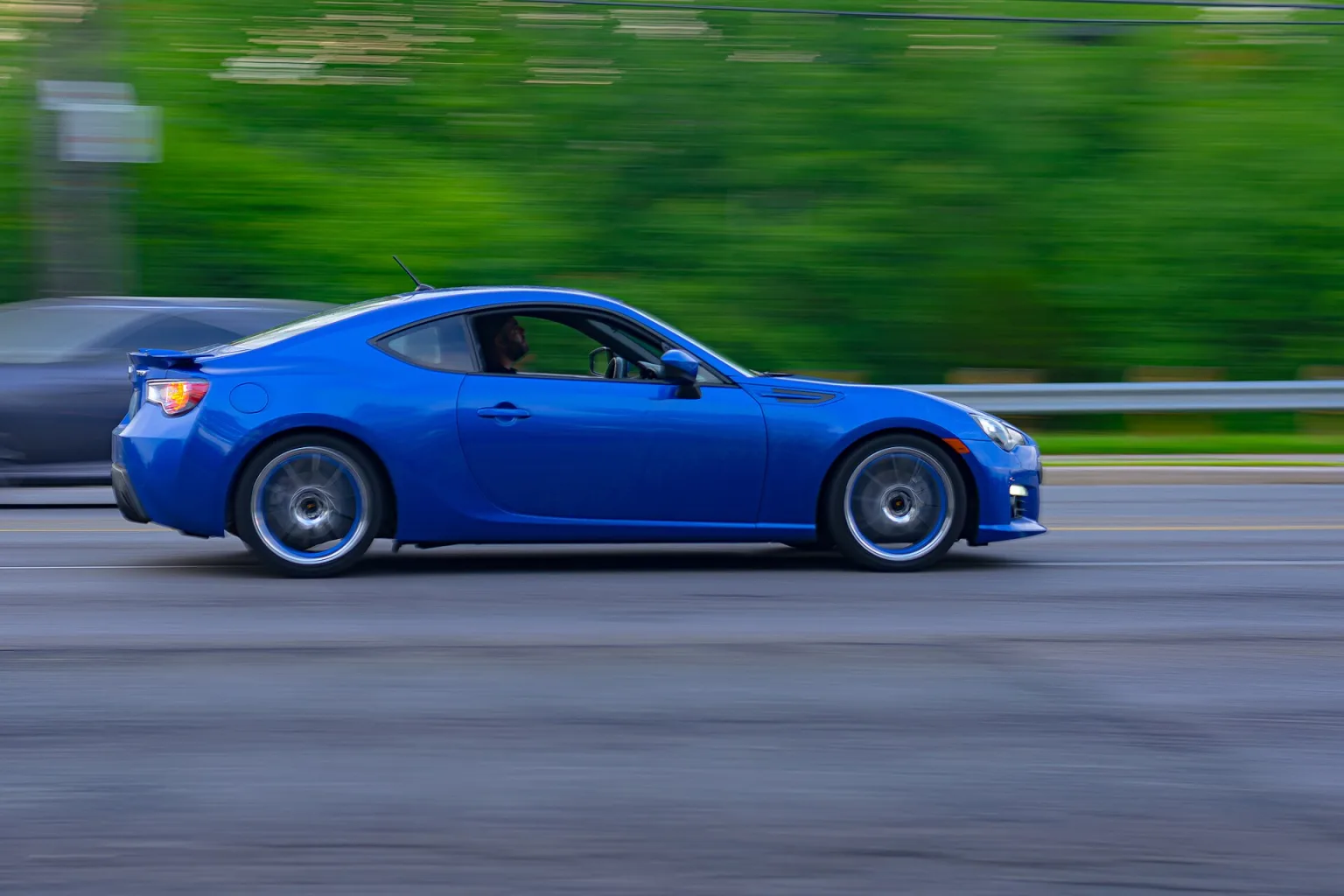
A newly registered Subaru BRZ was damaged in Estonia after its driver lost control and skidded into a ditch, according to reports from July 2012. The car, which had only recently arrived on the country’s roads, suffered significant front-end damage. There is no confirmation of injuries to the driver or others involved, and no other vehicles were reported to be part of the incident.
Crash Details and Aftermath
The accident took place not long after the Subaru BRZ began arriving in European markets, marking it as one of the first major incidents involving the model in the region. Photographic evidence and secondary reports indicate that the car left the tarmac and came to rest in a ditch, with visible damage to the front bumper and bonnet. The precise circumstances leading to the loss of control have not been detailed, but single-vehicle accidents such as this are often attributed to a combination of road conditions and driver error. The fact that the BRZ was new to both the owner and the market may have played a role, as drivers adapt to the dynamics of a new sports car.
Technical Background: Subaru BRZ
The Subaru BRZ is a rear-wheel-drive sports coupe developed in collaboration with Toyota, which sells a nearly identical model as the Toyota GT 86. Both cars share the same platform and are powered by a naturally aspirated 2.0-litre flat-four boxer engine. In European specification, this engine produces 197bhp and can be paired with either a six-speed manual or an optional six-speed automatic transmission. The BRZ’s layout, with a low centre of gravity and relatively light kerb weight, is designed to deliver responsive handling and driving enjoyment. However, these characteristics also mean the car can be less forgiving if pushed too hard, particularly on unfamiliar or slippery roads.
The car is available in two trim levels in Europe: SE and SE Lux. Standard features on the BRZ SE include push-button start, dual-zone climate control, keyless entry, cruise control, electrically folding mirrors, leather-trimmed gearlever and handbrake, electronic stability programme (ESP), iPod connectivity, a six-speaker stereo system, a torque-sensing limited-slip differential, and 17-inch alloy wheels. The SE Lux adds further comfort and convenience features. These specifications have helped the BRZ appeal to driving enthusiasts looking for an affordable, well-equipped sports car.
Implications for Owners and Buyers
While the Estonian crash did not result in serious consequences beyond vehicle damage, it serves as a reminder of the importance of respecting the BRZ’s rear-wheel-drive dynamics, especially for drivers who may be new to sports cars. The car’s handling rewards skill and attention, but can catch out those who are less experienced or who misjudge road conditions. Early incidents involving new models can sometimes influence perceptions or insurance costs, but there is no indication that this particular crash will have a broader impact on premiums or Subaru’s rollout in the region.
The arrival of the BRZ in Europe was highly anticipated, with strong early demand in several countries. The model’s combination of performance, affordability, and features made it popular among enthusiasts. The crash in Estonia was one of the first notable incidents involving the car, drawing attention from automotive media and online forums. It also prompted discussions about the learning curve associated with rear-wheel-drive sports cars, particularly among those upgrading from front-wheel-drive vehicles.
Subaru BRZ and Toyota GT 86: Shared Engineering
The Subaru BRZ and Toyota GT 86 are mechanically identical apart from badging and minor trim details. Both are built on the same production line and feature the same engine, transmission options, and chassis setup. This partnership allowed both companies to offer a lightweight, rear-wheel-drive sports car at a relatively affordable price point. The collaboration has been well received, with both models praised for their balance, steering feel, and engaging driving experience.
- Subaru BRZ: Available in SE and SE Lux trims
- 197bhp 2.0-litre flat-four engine
- Six-speed manual or optional automatic transmission
- Rear-wheel drive with limited-slip differential
- Shared platform with Toyota GT 86
Conclusion
The crash of a new Subaru BRZ in Estonia highlights both the excitement and the risks that come with high-performance vehicles. For prospective owners, it underlines the necessity of understanding the car’s handling characteristics and taking extra care, especially in the early days of ownership. The BRZ remains a sought-after sports coupe in Europe, with its reputation for driving enjoyment undiminished by isolated incidents. For more information on the BRZ’s development and upcoming variants, enthusiasts continue to watch for updates from Subaru, including performance-focused versions and concept models.