Takata Declares 14 Million Airbag Inflators Defective in First Official Report
The Japanese supplier has formally identified 14 million airbag inflators as faulty, marking the first step in a phased global recall agreed with US regulators.
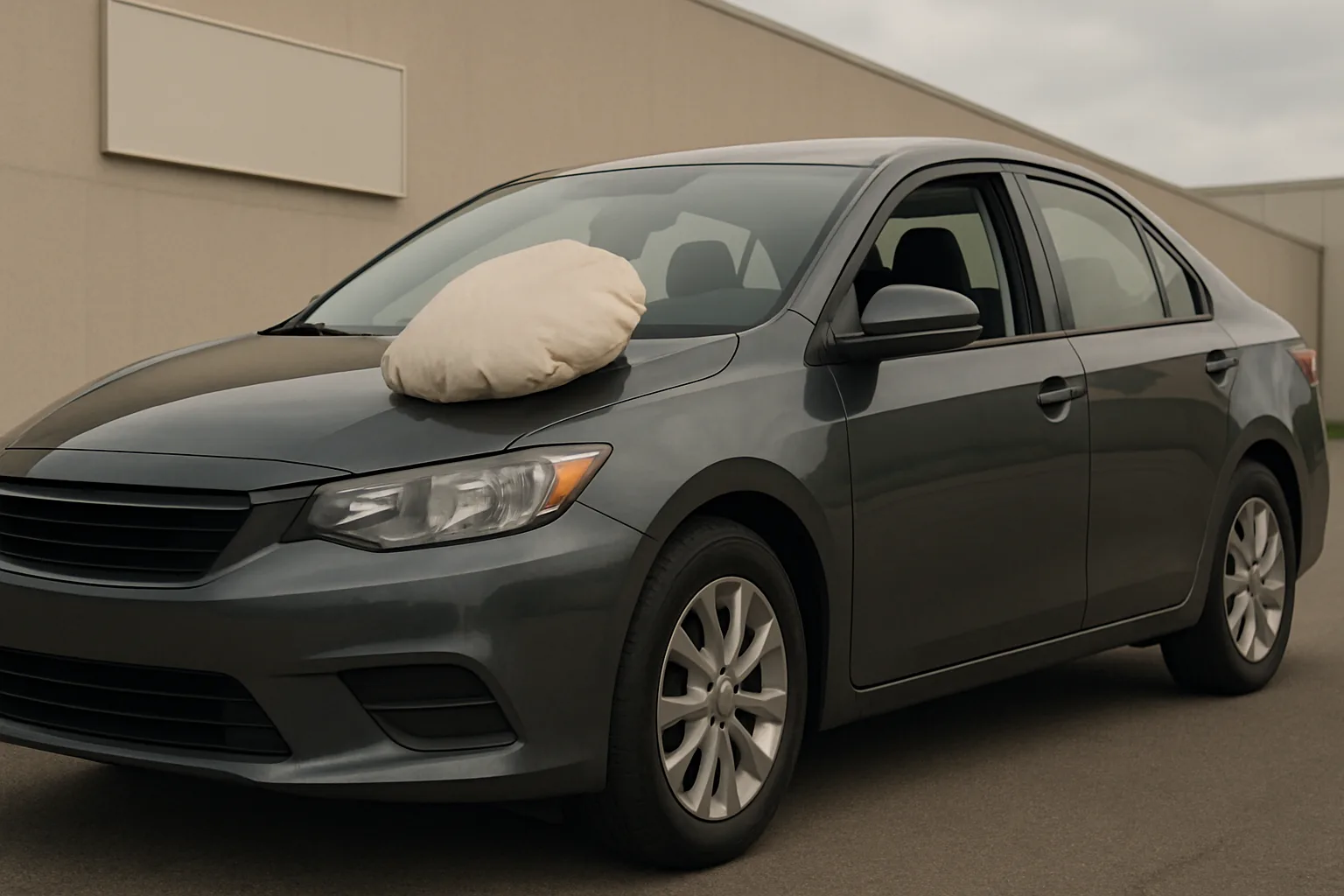
Takata has formally declared 14 million of its airbag inflators defective, launching the first phase of a global recall that will ultimately cover tens of millions of vehicles. The announcement follows an agreement with the US National Highway Traffic Safety Administration (NHTSA) to expand recalls in stages through to the end of 2019.
The defect centres on inflators using ammonium nitrate as a propellant. Under certain conditions, particularly exposure to humidity and temperature fluctuations, this chemical can degrade, leading to a risk that the inflator will rupture violently during airbag deployment. Such ruptures have been linked to injuries and fatalities worldwide.
Takata's statement marks the first time the company has officially recognised such a large batch of inflators as defective. While the supplier said it “generally agrees” with NHTSA’s assessment, it stopped short of accepting sole responsibility, indicating that its own investigations are ongoing. The company has faced pressure from regulators and carmakers to clarify the scope and root cause of the defect.
Recall expansion and industry impact
The NHTSA and Takata previously announced that a further 35 million to 40 million inflators would be recalled in addition to the 28.8 million already identified. The recall will be staged between May and December 2019, with this first report covering the initial 14 million units. Affected vehicles span multiple manufacturers and model years, making this one of the largest safety recalls in automotive history.
- Initial 14 million inflators declared defective in May 2016
- Total recall could reach 68 million inflators worldwide
- Recall to be completed in phases through December 2019
Takata’s financial exposure remains uncertain. Admitting full responsibility could leave the company facing recall costs estimated at up to $10 billion. The supplier has launched its own internal investigation but has not yet accepted liability for the entire crisis. Automakers are watching closely, as the division of costs will depend on how responsibility is ultimately apportioned.
Technical root and ongoing testing
Testing has shown that ammonium nitrate propellant is especially vulnerable to moisture and temperature cycling, which can cause it to combust too rapidly. This flaw has led to hundreds of documented ruptures during deployment, prompting global concern and regulatory scrutiny. For more on recent test results and the scale of ruptures observed, see Takata Airbag Recall Testing Reveals Hundreds of Ruptures.
As the recall proceeds, both Takata and regulators will continue to monitor field data and test inflators from affected vehicles. The outcome of Takata’s internal investigation and the ongoing regulatory review will determine the final allocation of responsibility and costs.