Terrafugia TF-X Concept Aims for Autonomous Flying Car Future
Terrafugia's TF-X concept proposes a plug-in hybrid vehicle capable of both road driving and vertical takeoff, targeting a 500-mile flying range and semi-autonomous operation.
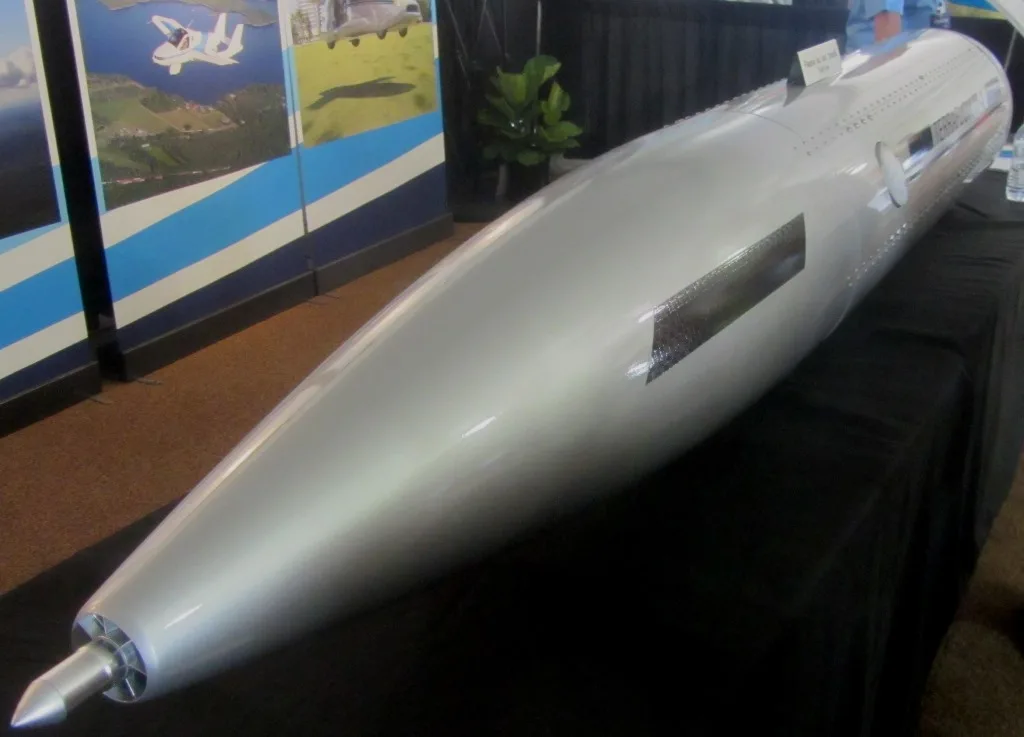
Terrafugia has unveiled its TF-X concept, a four-seat plug-in hybrid that aims to bridge the gap between car and aircraft. The company claims the TF-X will be able to drive on public roads and take off vertically, with a projected flying range of 500 miles per trip. The concept was announced in early May 2013, with Terrafugia targeting a development timeline of 8 to 12 years.
The TF-X is designed as a plug-in hybrid, using electric motors for both road driving and for powering the vertical takeoff and landing propellers. Once airborne, the TF-X switches to a petrol engine mounted behind the cockpit, driving a rear-mounted propeller for forward flight. Terrafugia says the aircraft’s two rotors fold away during cruise, reducing drag.
Ease of operation is a central selling point. The company claims that drivers will not need a pilot’s licence to operate the TF-X. Instead, users will enter their destination into the onboard computer, which will manage takeoff, flight, and landing automatically. Terrafugia projects that learning to operate the TF-X will require only around five hours of training. The semi-autonomous system is intended to handle route planning, weather checks, and airspace restrictions without user intervention.
Technical features and projected specifications
- Plug-in hybrid powertrain: electric motors for road and takeoff/landing, petrol engine for flight
- Vertical takeoff and landing (VTOL) capability
- 500-mile maximum flying range per trip
- Automatic flight controls: destination input, autopilot manages flight
- Sensors and GPS for route, weather, and airspace management
- Four-seat configuration
The TF-X concept is equipped with a GPS-based navigation and sensor system. This setup is intended to calculate route distance, check fuel range, and select landing sites. The vehicle will also monitor weather conditions and avoid restricted airspace automatically. Terrafugia’s vision is to make point-to-point air travel as accessible as driving a car, but the company acknowledges that regulatory and technical hurdles remain.
Pricing and comparison to Terrafugia Transition
Terrafugia has indicated a target price of around $150,000 for the TF-X, though this figure is subject to change as the project progresses. For comparison, the company’s earlier Transition flying car, which requires a pilot’s licence and does not offer vertical takeoff, is expected to cost about $300,000. The TF-X aims to broaden the appeal of flying vehicles by lowering both the price and the learning curve.
Regulatory and technical challenges ahead
While Terrafugia’s timeline suggests the TF-X could reach production within 8 to 12 years of the 2013 announcement, the company’s ambitions depend on advances in battery technology, autonomous flight systems, and regulatory approval for roadable aircraft. As of 2013, the TF-X remains a concept. No prototype has been shown in public, and key details such as crash safety, certification, and infrastructure requirements have yet to be addressed.