Tesla Model S crash in Tennessee causes local blackout
A new Tesla Model S collided with a utility pole in Murfreesboro, Tennessee, cutting power to the area for several hours and raising safety questions for first responders.
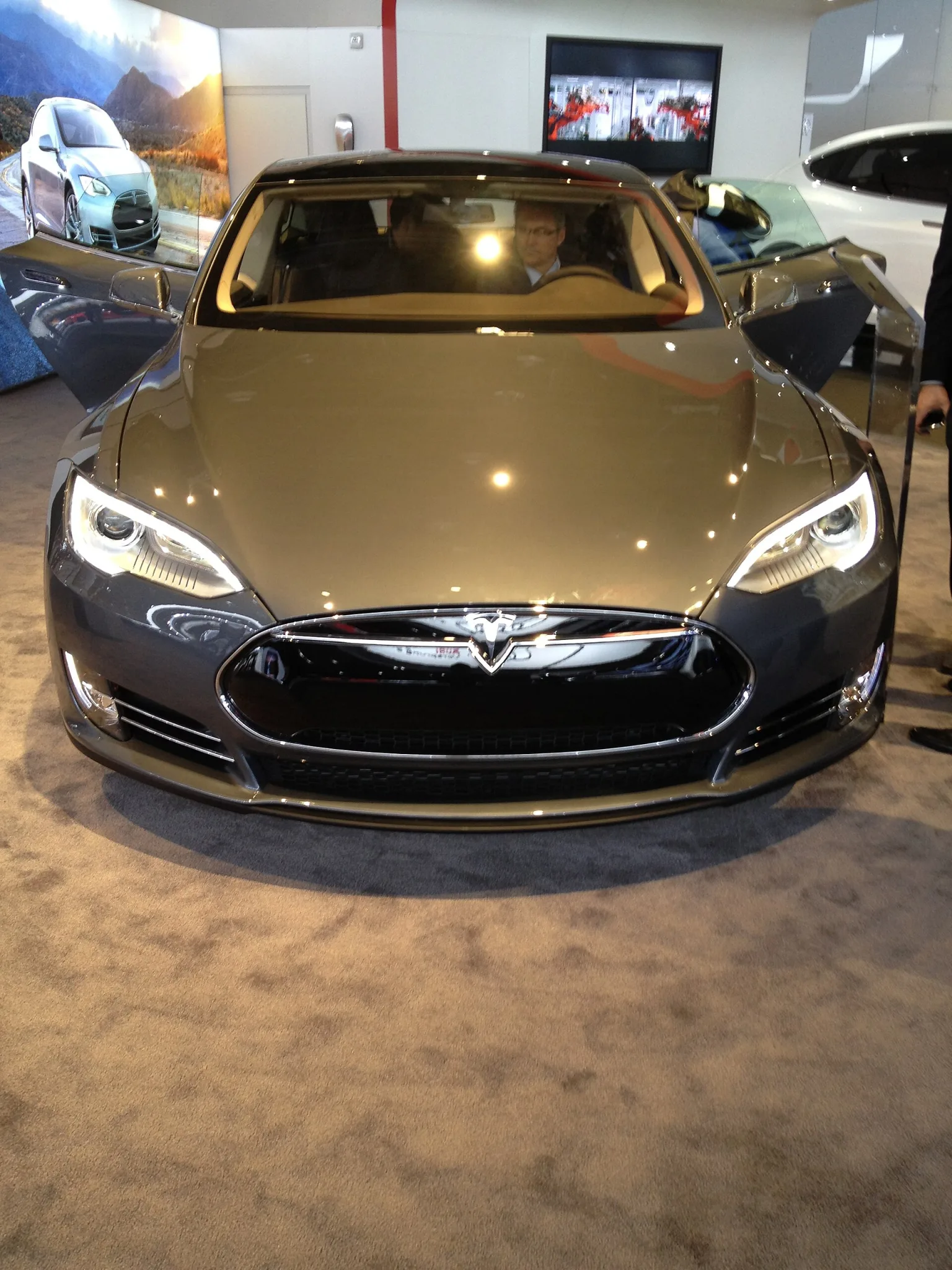
A recently delivered Tesla Model S was involved in a single-vehicle accident in Murfreesboro, Tennessee, when the driver lost control and collided with a utility pole. The impact of the crash severed power lines, resulting in a blackout that affected local homes and businesses for several hours. Emergency services responded swiftly, transporting the driver to hospital. Fortunately, no serious injuries were reported, and no bystanders or other vehicles were involved. The blackout disrupted daily activities for residents and businesses in the area until local utility crews could restore power and repair the damaged infrastructure.
Crash Details and Immediate Impact
Response by Emergency Services
The crash presented unique challenges for first responders due to the electric nature of the Tesla Model S. Before the vehicle could be safely moved from the scene, police and fire crews needed to ensure the high-voltage battery was properly isolated. Traditional procedures for handling petrol-powered vehicles were not sufficient, so responders contacted Tesla directly for technical instructions. Only after following these specific guidelines was it considered safe to load the car onto a flatbed wrecker for removal. This incident highlighted the importance of specialised training and protocols when dealing with electric vehicles in emergency situations.
Impact on Local Infrastructure
The blackout caused by the crash affected a significant portion of the surrounding neighbourhood. Local utility crews worked alongside emergency responders to clear debris and repair the downed utility pole. Businesses in the area experienced temporary closures, and residents were left without electricity for several hours. The incident demonstrated how accidents involving electric vehicles can have wider consequences beyond the immediate crash site, particularly when critical infrastructure like power lines is involved.
Tesla Model S: Background and Early Incidents
The Tesla Model S, assembled in Fremont, California, had only recently begun deliveries at the time of the Murfreesboro crash. Marketed as the world’s first luxury electric saloon, the Model S was available in several power outputs, including versions with 420 HP (310 kW) and 600 Nm, 360 HP (270 kW) and 440 Nm, and 302 HP (225 kW) and 430 Nm. The car’s innovative electric drivetrain and high-capacity battery pack represented a significant technological advancement, but also introduced new considerations for safety and emergency response.
The Murfreesboro incident was one of the early high-profile crashes involving the Model S. At the time, emergency services across the United States were still adapting to the challenges posed by electric vehicles. The need for updated protocols became apparent, as responders had to learn how to safely disable high-voltage systems and prevent secondary hazards such as electrical shock or battery fires. As electric vehicles became more common, similar situations arose in other regions, prompting further training and collaboration between manufacturers and emergency personnel.
Safety Record and Evolving Protocols
Following the Murfreesboro crash, the Tesla Model S went on to achieve strong safety ratings in official crash tests. However, incidents like this one underscored the need for continuous improvement in emergency response procedures. Fire departments and police agencies began to develop new guidelines for handling electric vehicles at accident scenes, including steps for isolating batteries and recognising potential hazards unique to EVs. These changes aimed to protect both first responders and the public from the risks associated with high-voltage components.
The Murfreesboro crash contributed to a growing body of knowledge about electric vehicle safety. It encouraged collaboration between car manufacturers, emergency services, and regulatory bodies to ensure that responders are equipped with the information and tools necessary to manage EV accidents safely. As electric vehicles continue to gain popularity, the lessons learned from early incidents like this one remain relevant for ongoing improvements in public safety and infrastructure resilience.
Consequences and Ongoing Considerations
While the Murfreesboro crash did not result in life-threatening injuries, it highlighted several important issues. The incident demonstrated the potential for electric vehicle accidents to affect local infrastructure, such as power distribution, and emphasised the need for specialised response protocols. It also served as a reminder that the transition to electric vehicles brings new challenges for communities, emergency services, and utility providers alike.
As electric vehicle adoption continues to rise, emergency services across the United States and beyond are investing in training and resources to better handle incidents involving high-voltage vehicles. The Murfreesboro crash remains a notable example of how the integration of new technology on public roads can have far-reaching consequences and drive change in safety standards and infrastructure management.