Tesla Robotaxi fleet surpasses one million unsupervised miles
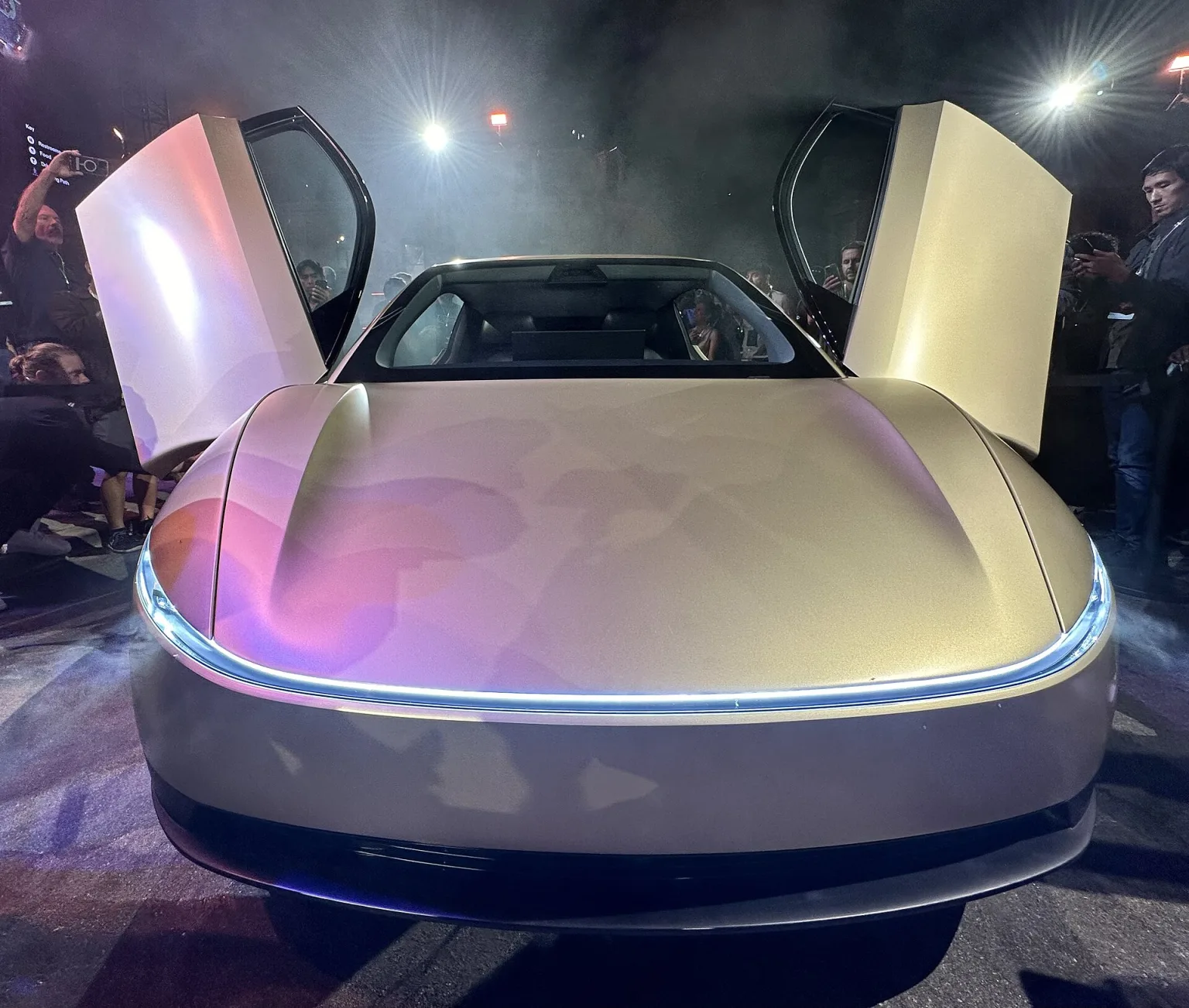
Tesla announced at its Austin Cybercab event that its Robotaxi service has exceeded one million miles of unsupervised operation, marking rapid progress in autonomous driving.

Tesla announced that its Robotaxi fleet has exceeded one million miles of unsupervised operation, a milestone revealed at the company's Cybercab event in Austin on 3 September 2026. This achievement represents a rapid increase from 380,000 unsupervised miles reported in late July, highlighting the company's accelerated deployment of autonomous vehicles without in-vehicle safety monitors.
Tesla Reaches One Million Unsupervised Robotaxi Miles
Policy Shift and Operational Expansion
The recent removal of safety monitors from most Robotaxi operations outside the San Francisco Bay Area has been a key driver in this milestone. With this policy change, Tesla's autonomous service can now operate without a human backup in the vehicle in several major US cities. The company reports that its unsupervised miles are growing at a double-digit weekly rate, reflecting swift adoption and increased trust in its self-driving technology.
Despite this progress, the San Francisco Bay Area remains an exception. California permitting rules still require a safety monitor to be present in each vehicle operating in the region. This regulatory difference means that while Tesla is expanding rapidly elsewhere, its operations in California are subject to stricter oversight.
Cities with Unsupervised Robotaxi Operations
- Austin
- Dallas
- Houston
- Miami
- Orlando
- Tampa
Tesla's Robotaxi service began in Austin in June 2025 with safety drivers present. Since then, the company has expanded unsupervised operations to Dallas, Houston, Miami, Orlando, and Tampa. Although Tesla has not published a city-by-city breakdown of the one million unsupervised miles, the expansion into these metropolitan areas indicates a growing presence in the US autonomous ride-hailing market.
Comparison with Competitors
While Tesla's milestone is significant for the company, it is important to view it in the context of the broader autonomous vehicle industry. Waymo, a leading competitor, claims more than 200 million fully autonomous rider-only miles, far surpassing Tesla's current total. Waymo's figures reflect an earlier start in the sector and a wider deployment of its self-driving technology across multiple cities.
The gap in cumulative autonomous mileage between Tesla and Waymo highlights the competitive challenges Tesla faces as it seeks to scale its Robotaxi operations. Despite the difference in total miles, Tesla's rapid increase in unsupervised mileage demonstrates the company's intent to close the gap and expand its share of the autonomous ride-hailing market.
Regulatory and Safety Considerations
Tesla's expansion of unsupervised Robotaxi operations has been made possible in part by regulatory environments outside California that permit fully autonomous vehicles to operate without a safety monitor on board. However, the company has not disclosed detailed safety or disengagement data for these operations. This lack of transparency leaves some questions about the reliability and safety of Tesla's service as it continues to grow.
The absence of a city-level breakdown of unsupervised miles also makes it difficult to assess how performance and adoption vary across different markets. Regulatory barriers, particularly in California, continue to shape the pace and scope of Tesla's autonomous vehicle deployment.
Implications for the Future of Autonomous Ride-Hailing
Tesla's announcement is intended to demonstrate progress towards a larger robotaxi network and to signal confidence in its self-driving software and operational model. The rapid scaling of unsupervised operations points to the company's ambition to become a major player in the autonomous ride-hailing sector, even as it faces competition from more established firms and ongoing regulatory hurdles.
As Tesla continues to expand its Robotaxi service, the industry will be watching how the company addresses regulatory challenges, provides safety data, and competes with rivals such as Waymo. The milestone of one million unsupervised miles is a notable step, but it is only part of a much larger journey towards widespread adoption of autonomous vehicles.