Tesla’s earnings overshadowed by Model X production and future targets
Investors await Tesla’s Q3 2015 results, but attention is focused on Model X output and the company’s ability to hit its full-year delivery goals.
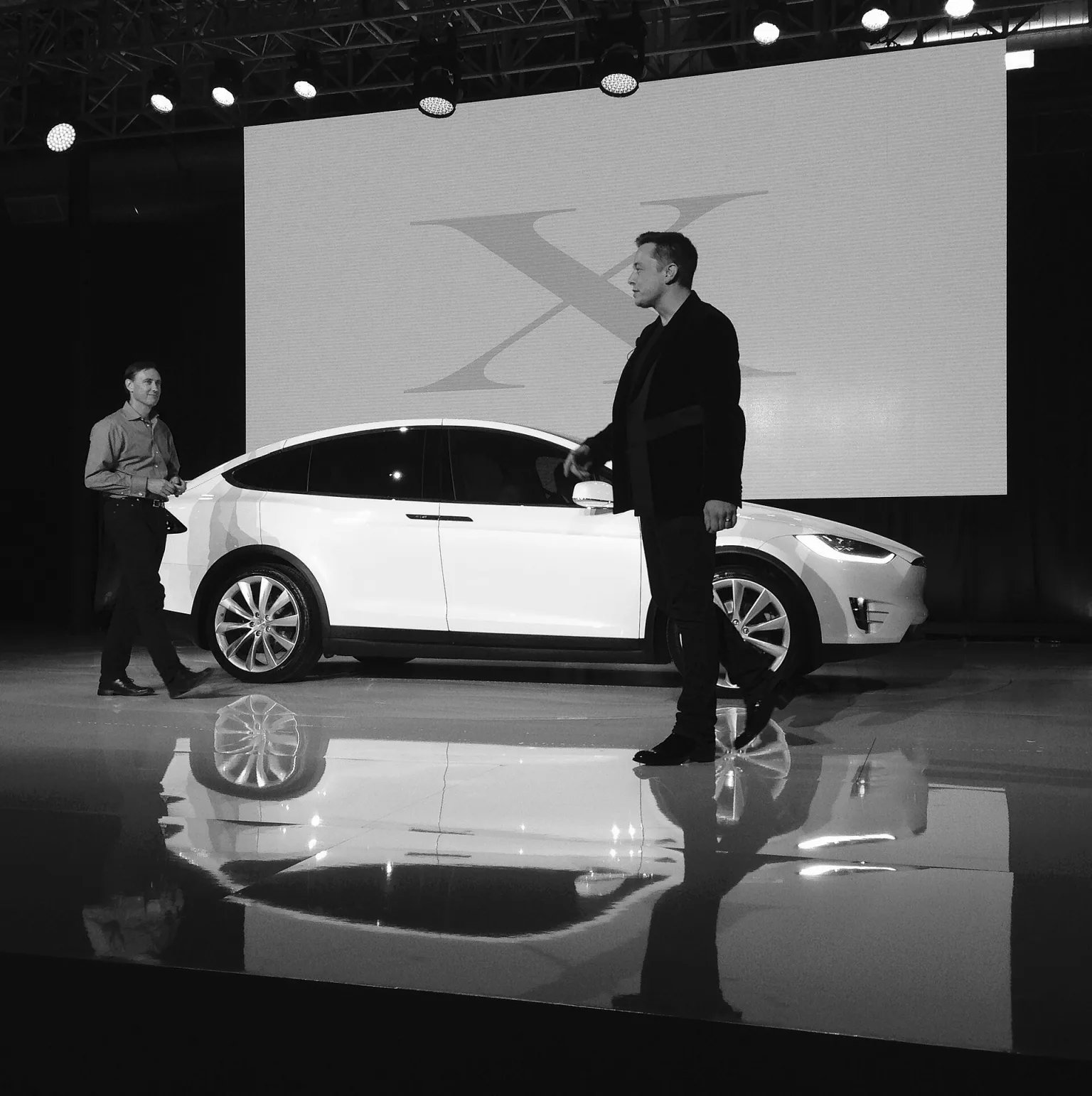
Tesla was set to announce its third-quarter 2015 financial results after the US market closed on 3 November, but analysts and investors were already looking past the headline numbers. The central question was not whether Tesla would meet revenue forecasts, but whether it could deliver enough vehicles, especially the new Model X SUV, to approach its full-year target of 50,000 cars.
By the end of September 2015, Tesla had delivered 33,157 vehicles. To reach its full-year guidance, the company needed to deliver nearly 17,000 more cars in the final quarter. Most of these would have to come from the Model S, as Model X production had only just started ramping up. Tesla had not given detailed delivery figures for the Model X, leaving investors uncertain about the SUV’s ramp-up and the company’s ability to scale production efficiently.
Analysts expressed doubts that Tesla could achieve its target. Some suggested that the company might have to lower its guidance if Model X volumes stayed low. The Model X’s complex features, including its “falcon-wing” doors and panoramic windscreen, had created engineering and manufacturing challenges, which CEO Elon Musk had previously acknowledged. Until a steady stream of Model X vehicles left the factory, confidence in Tesla’s production capabilities remained tentative.
Beyond the numbers: future direction and challenges
While the earnings report was expected to show a 33 percent year-on-year revenue increase to $1.24 billion, investors were more interested in Tesla’s future path. The company’s ambitions extended beyond cars to projects like the Powerwall home battery. At the same time, Tesla faced pressure from slow sales in China and questions about the timing and affordability of its planned Model 3, a lower-cost EV promised for late 2017.
The Model S also faced headwinds. In October 2015, Consumer Reports withdrew its recommendation for the Model S after reliability concerns surfaced among owners. This development raised further questions about Tesla’s ability to maintain quality as it scaled up production and introduced new models.
What’s at stake for Tesla’s strategy
For investors, the third-quarter earnings were less a verdict on Tesla’s financial health and more a checkpoint in the company’s long-term strategy. The market’s focus had shifted to whether Tesla could deliver on its promises, scale up complex new models and chart a path to broader market segments. The next few quarters would reveal whether the company’s manufacturing and product plans could keep pace with its ambitions.