Infiniti M35h: Hybrid Power with Sports Sedan Pace
Infiniti’s 2013 M35h brings 360hp hybrid performance to the luxury saloon segment, pairing strong acceleration with real-world fuel economy and a distinct driving experience.
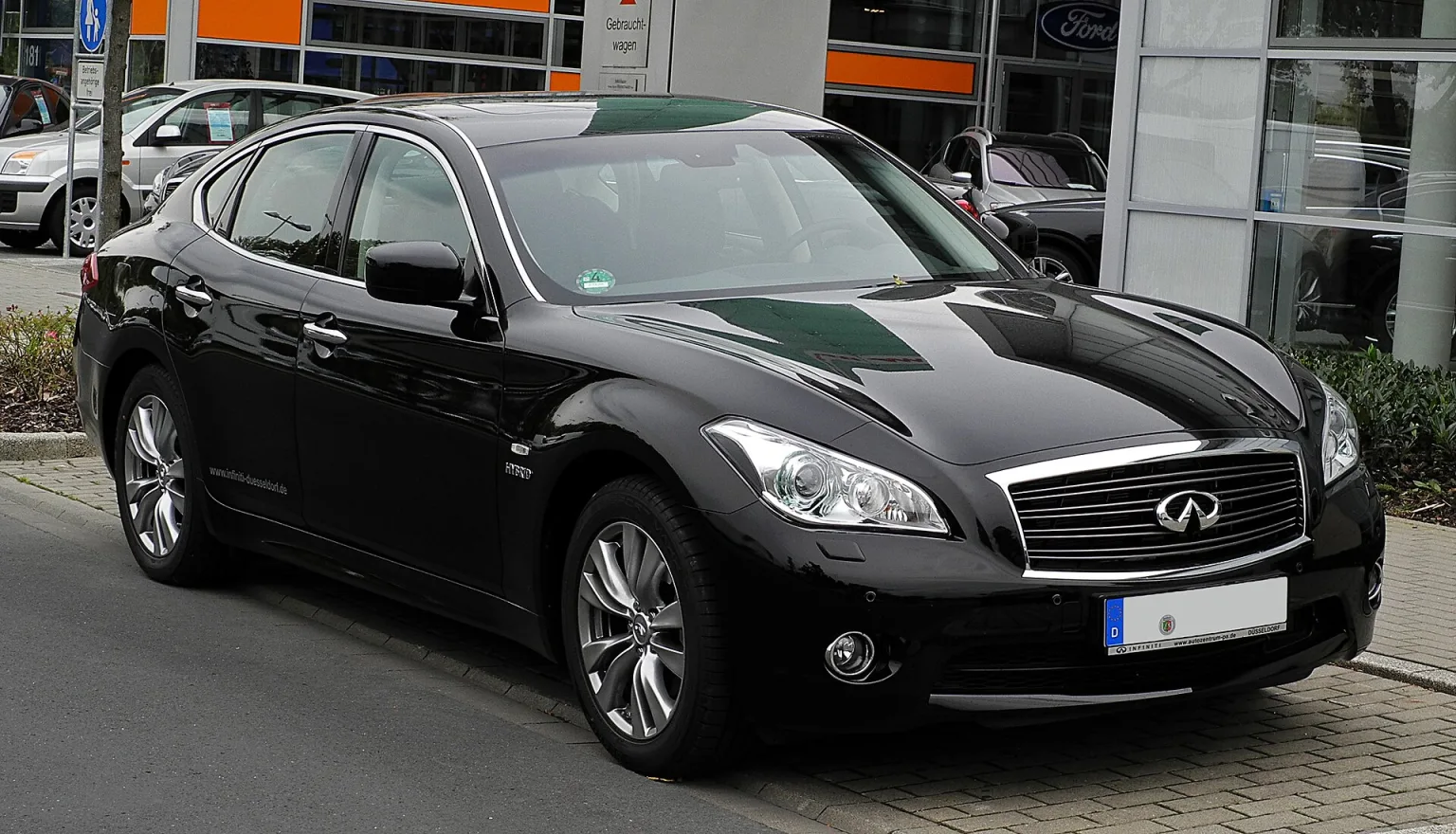
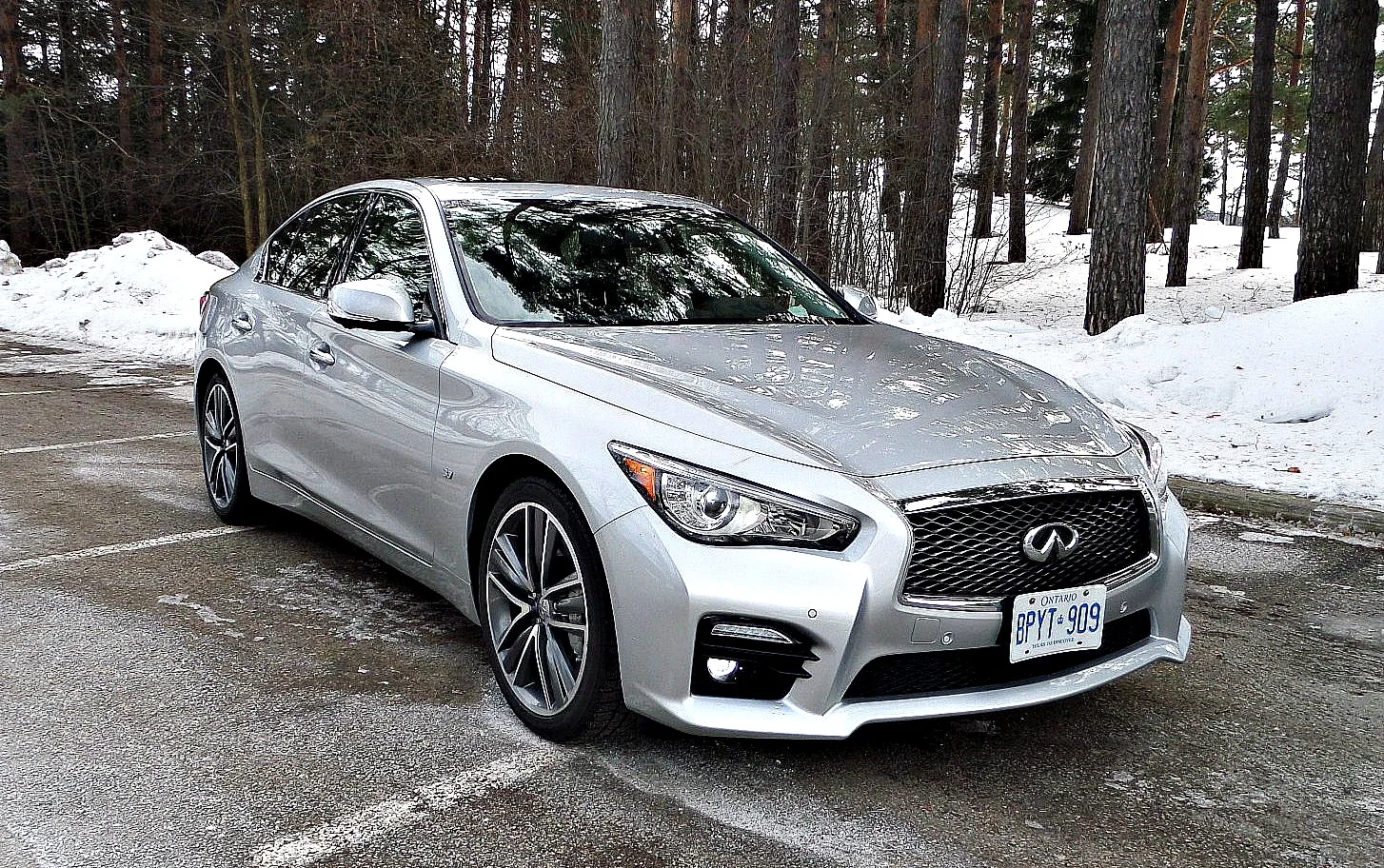
Infiniti’s M35h, launched for the 2013 model year, was the Japanese brand’s first hybrid and arrived with a clear message: hybrid power no longer meant compromise for drivers who wanted performance. At launch, it was the most powerful hybrid saloon on sale, pairing a 3.5-litre V6 petrol with a 67hp electric motor for a combined 360hp and 358Nm of torque. Official figures put 0-62mph at 5.5 seconds, matching or beating many established petrol-only rivals.
Hybrid system and driving modes
The M35h uses Nissan’s familiar VQ35HR V6, already proven in the 350Z, working with a compact 1.3kWh lithium-ion battery and a single electric motor. Power is sent to the rear wheels via a seven-speed automatic gearbox. The system can run in electric-only mode at speeds above 100km/h, and transitions between power sources are generally seamless. Four selectable driving modes, Snow, Eco, Normal and Sport, alter throttle response and hybrid system behaviour. Eco mode prioritises electric running and throttle restraint, while Sport sharpens the drivetrain for instant response from both petrol and electric sources.
Infiniti claimed a 13.9-second quarter-mile time, putting the M35h in the same bracket as some serious sports machinery of previous decades. The car’s hybrid system is designed to maximise electric running in urban conditions, with an Eco indicator on the dash to coach efficient driving. In city traffic, the M35h can run on electricity alone for short periods, but the V6 is always ready to provide full power when needed.
Ride, handling and braking
While the M35h is a large executive saloon, weighing in at 1,830kg, it manages a balance between comfort and handling. The suspension is tuned for a smooth ride, with 18-inch tyres standard. The steering uses an electro-hydraulic system that only draws power when needed, but feedback is less direct than in non-hybrid versions. Some drivers may find the steering heavy and slow to self-centre, especially at higher speeds or when exiting corners.
Braking combines regenerative and conventional systems. At low speeds, especially in electric mode, the pedal can feel abrupt, with a tendency towards an on-off character rather than progressive modulation. Emergency stops are handled well, with strong deceleration and rapid seatbelt tensioning. These traits are common among early hybrid systems, where blending regenerative and hydraulic braking was still being refined.
Real-world fuel economy and safety
Official fuel consumption for the M35h is 6.9l/100km combined, with city use at 9.0l/100km and extra-urban at 5.6l/100km. In mixed driving, including a long-distance trip from Milan to Nice and back, consumption averaged 7.4l/100km, impressive for a 360hp saloon. Heavy city traffic in Eco mode saw figures rise to just over 10l/100km. These numbers put the M35h on par with smaller, less powerful executive cars of the period.