Lexus GS450h F Sport Hybrid: Blending Performance and Efficiency in 2013
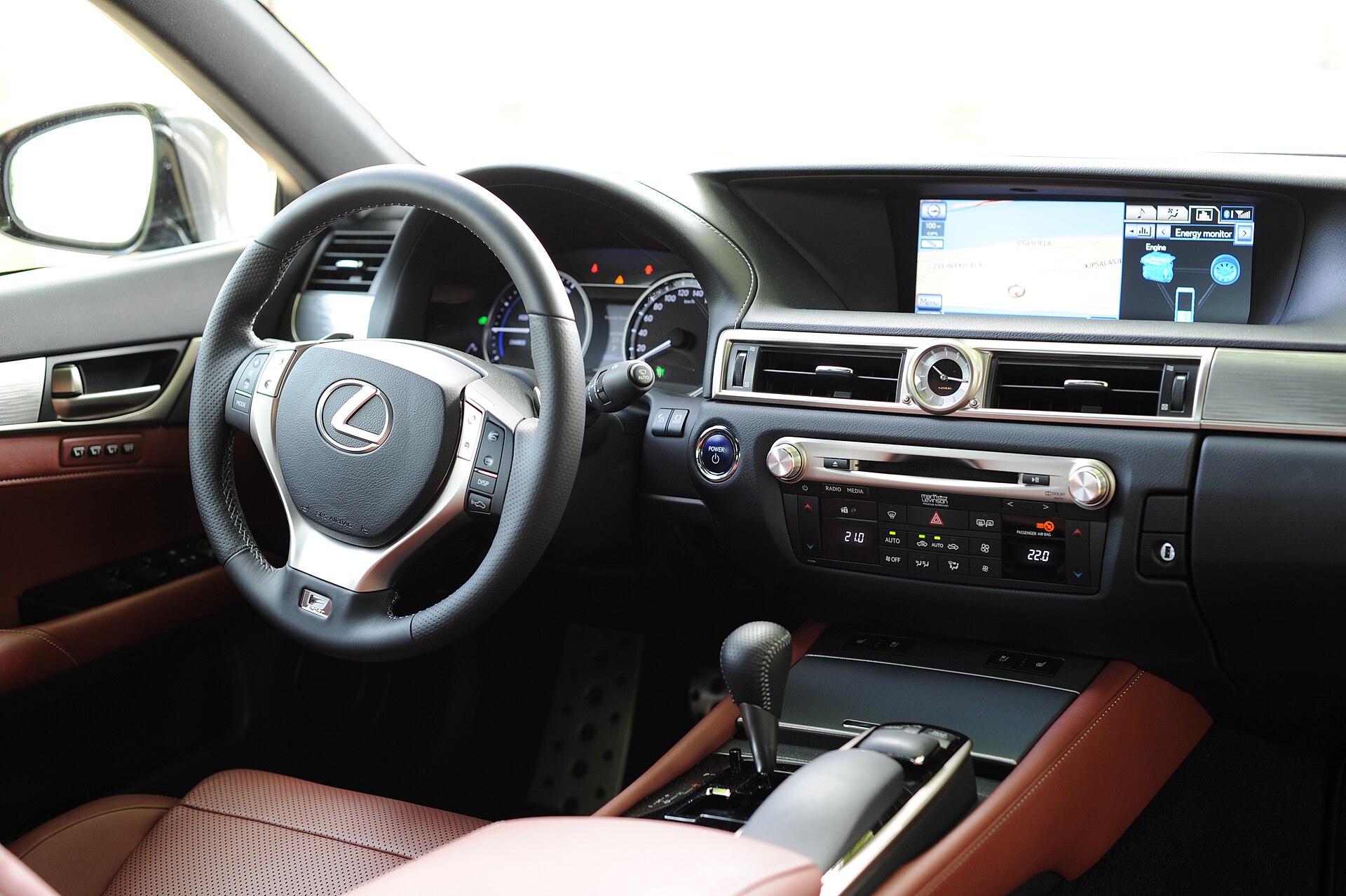
The 2013 Lexus GS450h F Sport Hybrid combines a 338hp hybrid powertrain with dynamic handling technology, offering buyers a unique mix of performance and luxury saloon comfort.
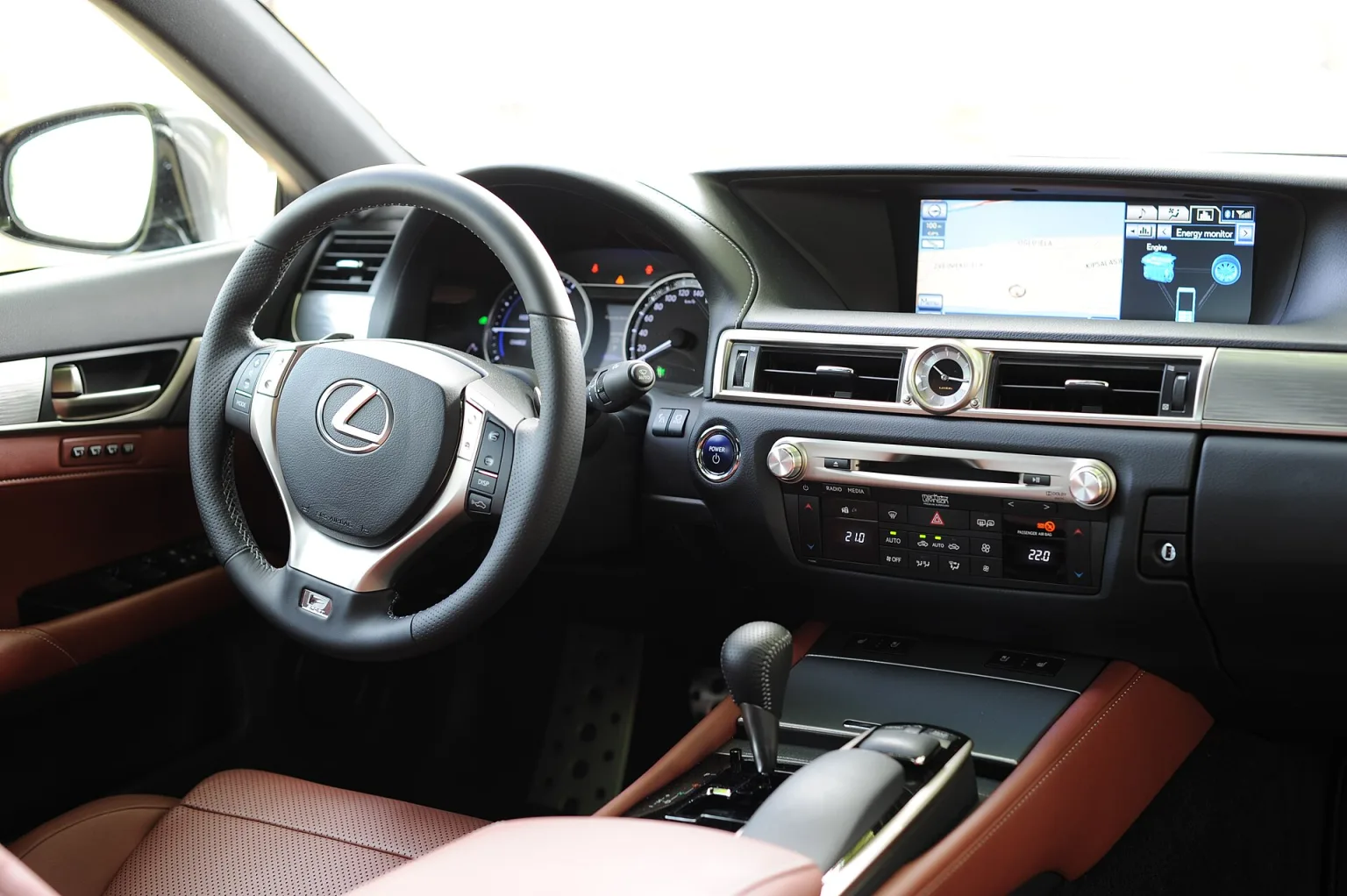
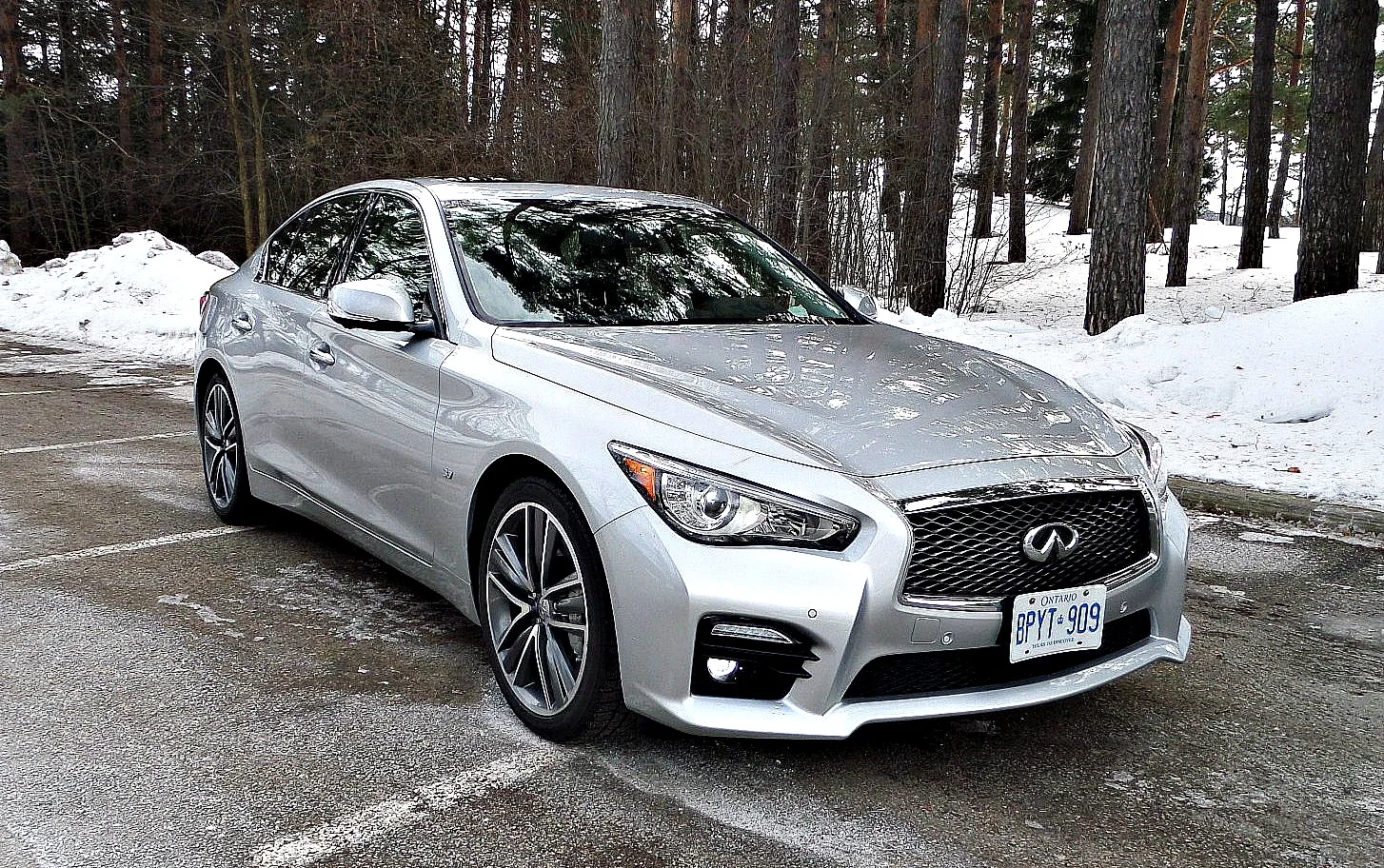
Lexus introduced the fourth-generation GS450h F Sport Hybrid in 2013, targeting buyers who wanted the performance of a sports saloon with the efficiency of a hybrid. The GS450h F Sport sits at the top of the GS range, offering a blend of technology, power and comfort that set it apart from its predecessor and rivals such as the Infiniti M35h.
Hybrid powertrain and performance
The GS450h F Sport’s hybrid system pairs a 3.5-litre V6 petrol engine with a water-cooled electric motor. The V6 uses both port and direct injection and runs on the Atkinson cycle with a 13.0:1 compression ratio. Combined, the system delivers 338hp (253kW), with power sent to the rear wheels through a continuously variable transmission (CVT). Acceleration from 0-62mph takes 5.9 seconds, with a limited top speed of 155mph. Lexus claims the integration between petrol and electric power is seamless, allowing the car to start and cruise at low speeds on electric power alone when the battery is sufficiently charged.
Regenerative braking captures energy during deceleration, recharging the nickel-metal hydride battery pack. The system is designed to be unobtrusive, with minimal noise or vibration when switching between petrol and electric operation. Despite the use of a CVT, the F Sport’s steering wheel paddles allow for simulated gear changes, which can help the driving experience feel more engaging than a conventional hybrid setup.
Chassis, handling and ride quality
Lexus equipped the F Sport with a suite of handling technologies, including Adaptive Variable Suspension (AVS), Lexus Dynamic Handling with rear-wheel steering, and a variable-ratio steering rack. The rear-wheel steering system can turn the rear wheels by up to two degrees, in the opposite direction to the fronts at low speeds for agility, or in the same direction at higher speeds for stability. The result is a car that feels nimble in town and planted at speed.
Ride comfort remains a priority. Even on 19-inch wheels, the F Sport’s suspension soaks up bumps effectively in Normal mode, while Sport+ mode sharpens the car’s responses for more enthusiastic driving. The brake pedal feel is improved over earlier hybrids, with Lexus addressing the abruptness sometimes found in regenerative systems, though a slight initial tip-in remains.
Efficiency, safety and equipment
Official combined fuel consumption is rated at 5.7L/100km (41mpg US). Real-world figures vary depending on use of features such as air conditioning and adaptive cruise control, but the GS450h remains one of the more efficient large saloons of its era. Safety credentials include a five-star Euro NCAP rating and a Top Safety Pick from the IIHS. Standard equipment covers a comprehensive suite of airbags, adaptive cruise control with stop function, pre-collision safety system, backup camera and a range of electronic stability aids.
How it compares to rivals
The GS450h F Sport’s closest hybrid rival in 2013 was the Infiniti M35h, which also targeted drivers seeking a mix of performance and lower emissions. The Lexus distinguished itself with its advanced chassis technology and refinement, while maintaining competitive efficiency and performance figures for the segment. For those interested in the GS range’s other variants, the GS 250 offered a non-hybrid alternative with less power and lower running costs. More details on the GS 250 can be found at/2013-lexus-gs-250-revealed
The GS450h F Sport Hybrid stood out in 2013 as a well-rounded executive saloon, combining strong performance, advanced safety and impressive efficiency, with handling technology that made it more engaging to drive than most hybrids of its time.