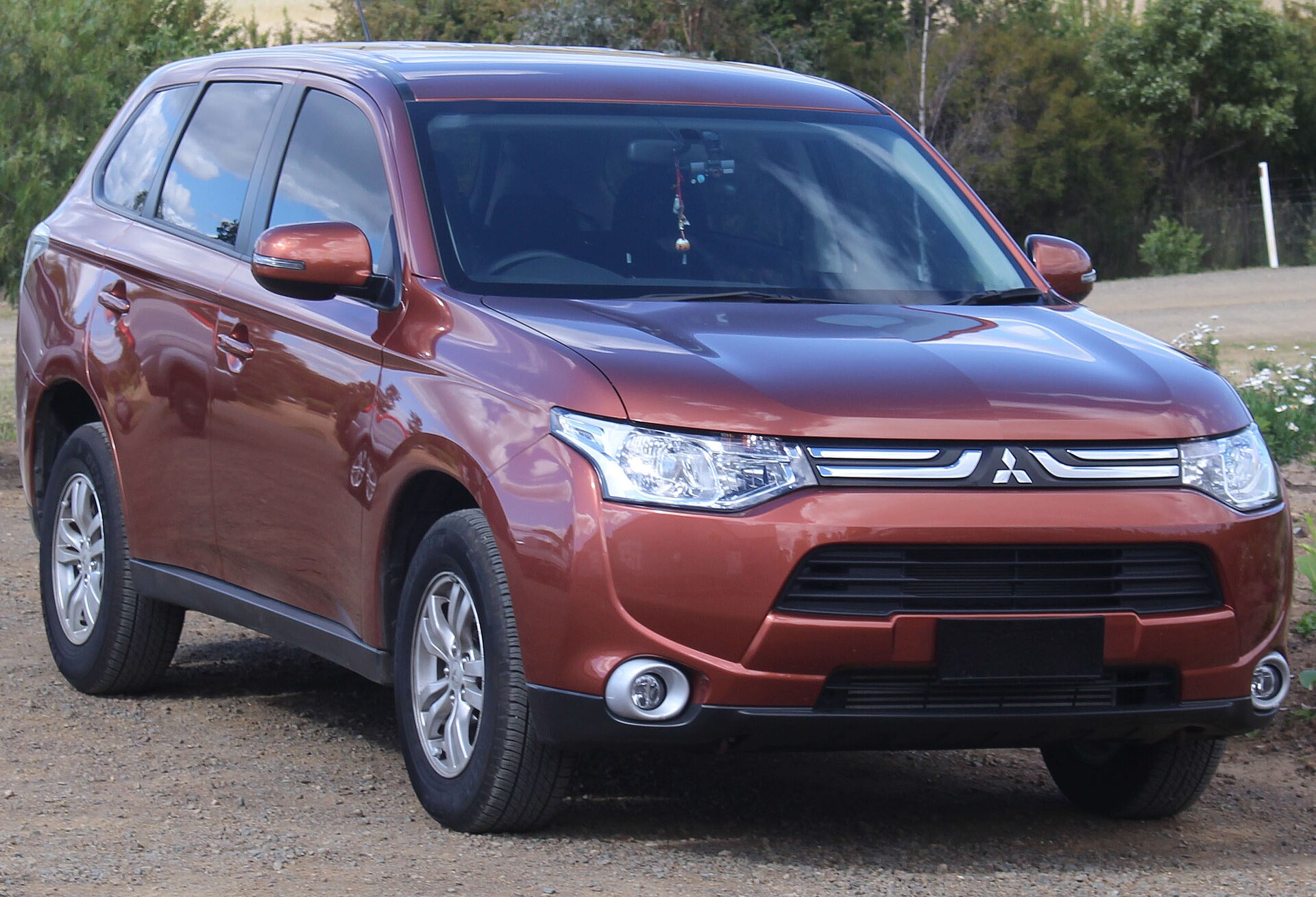
2013 Mitsubishi Outlander 2.2 DI-D 4WD Auto: Diesel SUV Focuses on Comfort and Practicality
Mitsubishi’s 2013 Outlander 2.2 DI-D 4WD Auto brings a revised diesel engine, updated cabin and a suite of convenience features, but real-world fuel economy lags behind official figures.
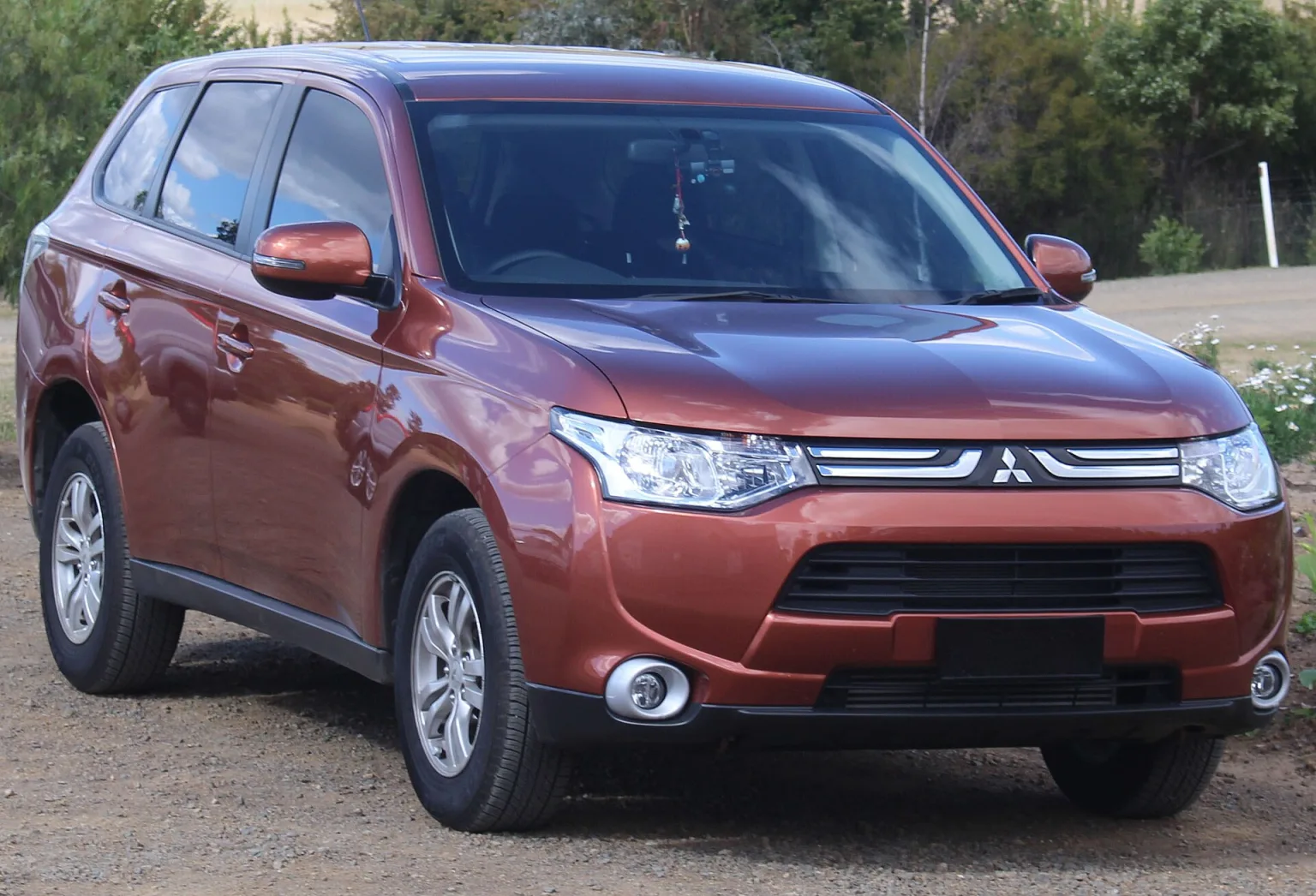
Mitsubishi’s third-generation Outlander arrived in 2012 with a sharper look, a new interior and a revised 2.2-litre DI-D diesel engine. The 4WD automatic version, tested here in 2013, targets family buyers after space, comfort and all-weather capability. On paper, it ticks many boxes for a practical SUV, but its real-world efficiency and driving experience set the tone for its appeal.
Diesel performance and automatic gearbox
The 2.2-litre DI-D engine in the 2013 Outlander is rated at 150hp and 380Nm, with peak torque arriving from just 1,750rpm. This gives the Outlander decent low-end pull, especially useful for overtaking or when loaded with passengers. The six-speed automatic transmission delivers smooth shifts, though it is not the fastest to respond under hard acceleration. Paddle shifters behind the steering wheel allow manual gear selection, which can help extract more urgency from the engine when needed.
Compared to its predecessor, the new Outlander feels more agile, thanks to the increased torque and a chassis that manages its size well. The automatic gearbox, while convenient, is less efficient than the manual option and can be slow to kick down. Buyers seeking the best fuel economy may prefer the manual, which can also be specified with Mitsubishi’s Auto Stop&Go system for additional savings.
Fuel economy: official vs actual
Mitsubishi claims a combined fuel consumption of 5.8L/100km for the 2.2 DI-D automatic. In practice, the test car averaged around 8L/100km in mixed driving, with motorway runs at 120km/h returning 8.2L/100km. Urban journeys saw consumption rise above 11L/100km, and heavy traffic could push that figure to 13L/100km. The absence of the Auto Stop&Go system on the test car made city driving less efficient. These real-world figures are notably higher than the official numbers, which may disappoint buyers prioritising running costs.
Cabin, space and features
The Outlander’s cabin was comprehensively reworked for this generation, with a more modern dashboard and improved materials. The driving position is comfortable and visibility is good. Interior space is a strong point, with generous room for five and two additional seats in the boot for occasional use. Adults will find the third row tight, but it suits children for short trips.
High-spec versions offer leather upholstery, dual-zone climate control, heated front seats, a Rockford Fosgate audio system, and a powered tailgate. Safety equipment includes multiple airbags, lane departure warning and adaptive cruise control, though the latter can be overly cautious in its default setting. The infotainment system is functional, with Bluetooth, USB and navigation, though its graphics and interface lag behind rivals from the same period.
Ride and handling
The Outlander’s suspension is tuned for comfort, soaking up bumps well on most surfaces. Front-seat occupants enjoy a smooth ride, while those in the rear may notice more movement over rough roads. Despite its size, the Outlander handles predictably, with body roll kept in check. The 4WD system provides reassurance in poor weather or on loose surfaces, though the car is not intended for serious off-roading.
Where the Outlander fits
The 2013 Outlander 2.2 DI-D 4WD Auto is aimed at families needing seven seats and all-weather capability in a practical package. Its strengths are space, comfort and a good level of standard equipment. The diesel engine delivers strong torque, but the automatic’s fuel consumption is higher than official figures suggest. Buyers comparing the Outlander to rivals such as the Nissan X-Trail or Hyundai Santa Fe will find its running costs a key consideration.
- Spacious cabin and flexible seating for seven
- Comfortable ride, especially up front
- Diesel engine offers strong low-end torque
- Automatic gearbox is smooth but not especially quick
- Real-world fuel economy lags behind official claims