Dacia Duster Facelift 1.2 TCe 4x4 Laureate: Budget SUV Gains Turbo Power
Dacia’s facelifted Duster introduces the 1.2 TCe turbo petrol engine to its 4x4 Laureate trim, adding much-needed power and efficiency to the brand’s value-focused SUV.
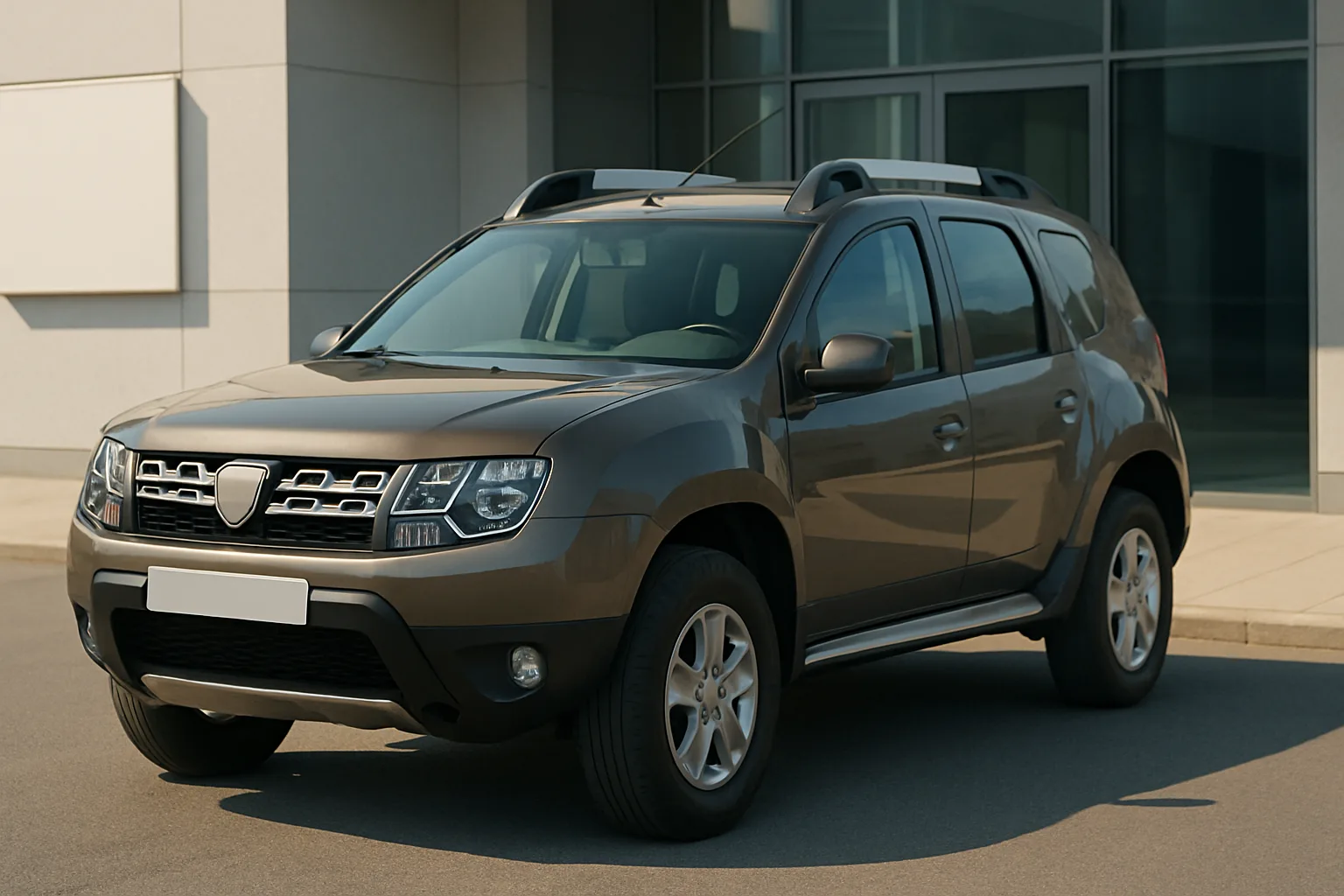
Dacia has updated its Duster SUV with a facelift and a new engine option, introducing the 1.2 TCe turbocharged petrol to the 4x4 Laureate specification. This move brings the most powerful petrol engine yet offered in a Dacia, aiming to bolster the Duster’s appeal in the budget SUV market.
The 1.2 TCe is a four-cylinder turbocharged petrol unit producing 125hp and 205Nm of torque. It is paired with a six-speed manual gearbox and all-wheel drive, a combination previously reserved for the diesel variants. Dacia positions the Duster between the B- and C-segments, offering more interior space than most rivals at a lower price point.
Engine and drivetrain changes
The addition of the 1.2 TCe engine is a notable shift for Dacia, which until now relied heavily on naturally aspirated petrols and Renault’s dCi diesels. The new engine delivers more torque than the entry-level dCi 90 diesel and nearly matches the dCi 110, but with a smoother and quieter character. The six-speed manual features a very short first gear, intended to help with low-speed manoeuvres on rough ground, though it takes some acclimatisation in daily driving.
Official fuel consumption figures are 6.4L/100km combined, 7.1L/100km urban and 6.0L/100km extra-urban. In practice, real-world consumption tends to be higher, especially in urban use or at motorway speeds, where the small turbo engine can be thirsty if pushed. The 50-litre fuel tank limits range to around 500km in mixed driving, which is on the low side for a car in this class.
Laureate trim and practicality
The Laureate trim brings more equipment to the Duster, including air conditioning, alloy wheels and upgraded interior materials. The facelift also introduced subtle styling changes, with revised lights and grille, but the overall formula remains familiar. The Duster’s five-door body and raised ride height offer genuine practicality for families or those needing occasional off-road ability, though it lacks a low-range transfer case.
Ride comfort is reasonable for a budget SUV, with the suspension tuned for rougher roads rather than sharp handling. Braking and acceleration feel adequate, though the Duster’s weight is noticeable under hard use. The interior remains simple but functional, with enough space for five and a large boot. Equipment levels are competitive for the price, but some rivals offer more advanced infotainment and safety features.
Market position and rivals
Dacia’s pricing keeps the Duster largely in a class of its own. While models like the Nissan Juke, Peugeot 2008 and Opel Mokka may be mentioned as rivals, they are typically smaller or more expensive, especially when equipped with all-wheel drive. The Duster’s value proposition remains its strongest asset, offering space and off-road capability at a price point few can match. For more on the facelift’s debut, seeFrankfurt Motor Show Live Dacia Duster Facelift.
The Duster’s ongoing success reflects Dacia’s approach to simple, robust engineering and honest pricing. The 1.2 TCe 4x4 Laureate adds a useful dose of performance and refinement, keeping the Duster relevant for buyers seeking an affordable, practical SUV with genuine all-weather ability.