Nissan Qashqai+2 1.6 dCi Manual: Seven-Seat Diesel Crossover Tested
Nissan’s Qashqai+2 with the 1.6-litre dCi engine and manual gearbox adds two extra seats and a practical diesel option to the popular crossover range.
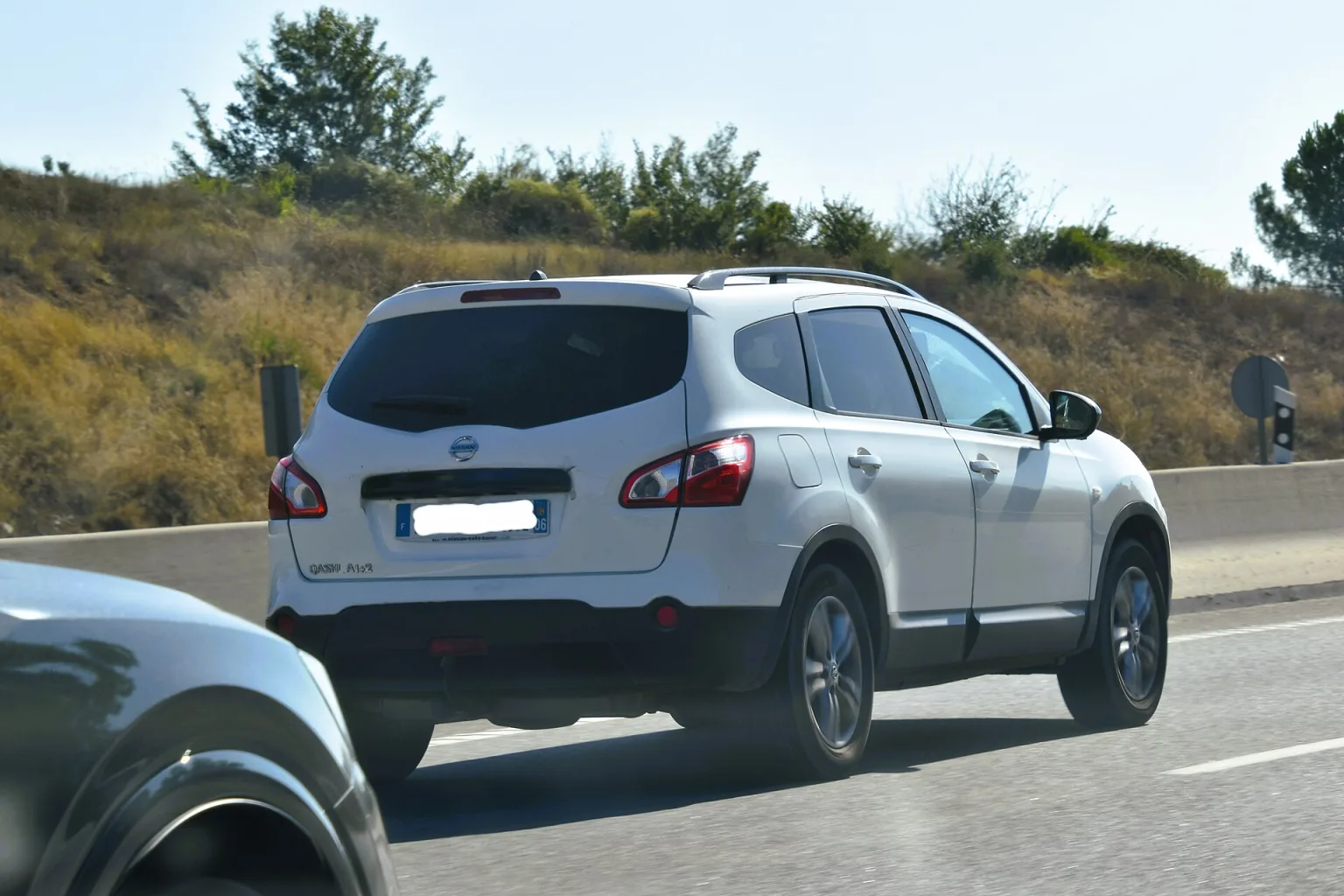
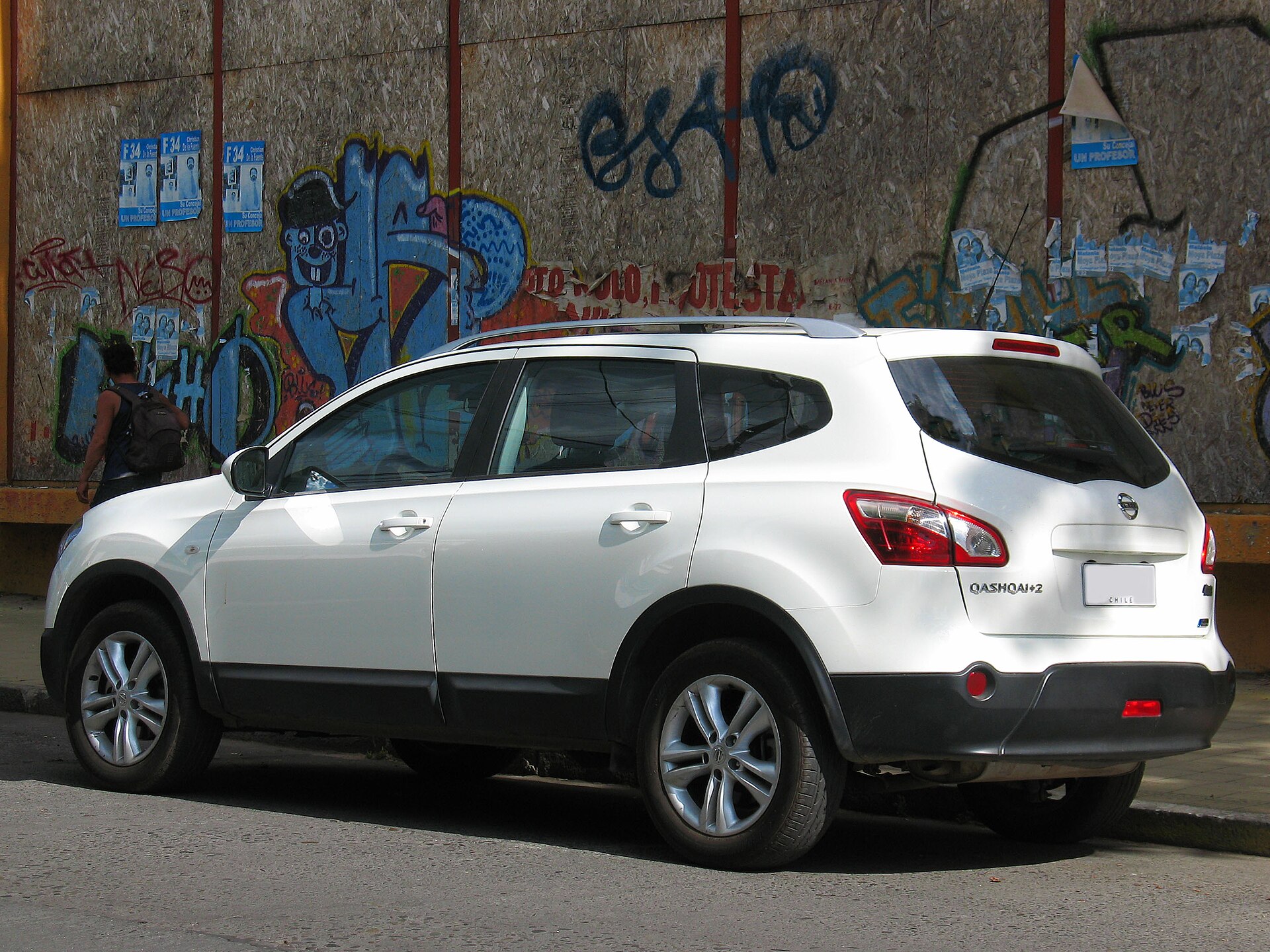
Nissan’s Qashqai+2 1.6 dCi manual arrived as an answer for families needing more than the standard five seats, but not wanting to move to a full-size MPV. The +2 adds a third row, bringing the total to seven, while keeping the familiar crossover body and driving style that made the Qashqai so successful in the UK and across Europe.
Engine and manual gearbox
The 1.6-litre dCi diesel engine fitted to the Qashqai+2 produces 130hp and 320Nm of torque from 1,750rpm. It comes paired with a six-speed manual gearbox and can be specified with either front-wheel drive or all-wheel drive. The all-wheel-drive version includes a Lock mode for extra traction in poor conditions, though the Qashqai+2 remains more of a soft-roader than a serious off-roader.
Nissan’s Stop/Start system is standard, helping to keep urban emissions and fuel use down. The system can be switched off if preferred, but some vibration is noticeable through the steering wheel as the engine restarts. The diesel’s power delivery suits the Qashqai+2’s weight, especially with a full load of passengers.
Fuel economy and running costs
Official figures put the Qashqai+2 1.6 dCi manual at 7.7L/100km in city driving and 5.1L/100km on the motorway. Real-world consumption tends to be close to these numbers, even with the extra weight of the seven-seat body. The Qashqai+2 tips the scales at 1,696kg, compared to 1,562kg for the standard five-seat version, but the diesel engine copes well. Owners can expect running costs to be in line with other C-segment diesels, and the Stop/Start system helps keep CO2 output competitive for its class.
Interior space and practicality
Inside, the Qashqai+2 mirrors the standard model up front and in the second row. The two extra seats in the boot are best suited for children, as adults will struggle with legroom and access. The second row slides forward to help passengers climb into the back, but comfort is limited for anyone other than smaller children. With all seven seats in use, boot space shrinks, but there’s still room for a couple of small bags. For larger families, the Qashqai+2 offers a more affordable and less van-like alternative to traditional MPVs.
Equipment and trim levels
The tested Qashqai+2 was an Acenta model, the mid-range trim. This means buyers miss out on features like heated leather seats and a premium audio system, but still get a panoramic sunroof, satellite navigation, a 360-degree camera, Bluetooth, USB and dual-zone climate control. The 2WD, 4WD and Lock drive modes are included on all-wheel-drive versions. The cabin design was starting to feel dated by 2013, but the equipment list remained competitive for the segment.
How the Qashqai+2 compares
The Qashqai+2’s main appeal is its flexibility. It sits between standard crossovers and full-size people carriers, with enough space for families who occasionally need seven seats but don’t want to drive a van-based MPV. The diesel engine’s balance of power and economy makes it a practical option for long-distance drivers. Pricing started at around €20,000 for the base model, rising to €30,000 for well-equipped versions in 2013.
For a look at how the Qashqai+2 fits into the wider crossover market, see ourTest Drive BMW X3 XDRIVE20D M Sport.