Renault Kadjar 1.2 TCe 130 PS: Distinctive Style in a Crowded Crossover Market
Renault’s Kadjar 1.2 TCe 130 PS enters the compact SUV segment with bold design, practical space and a focus on technology, challenging established rivals like the Nissan Qashqai.
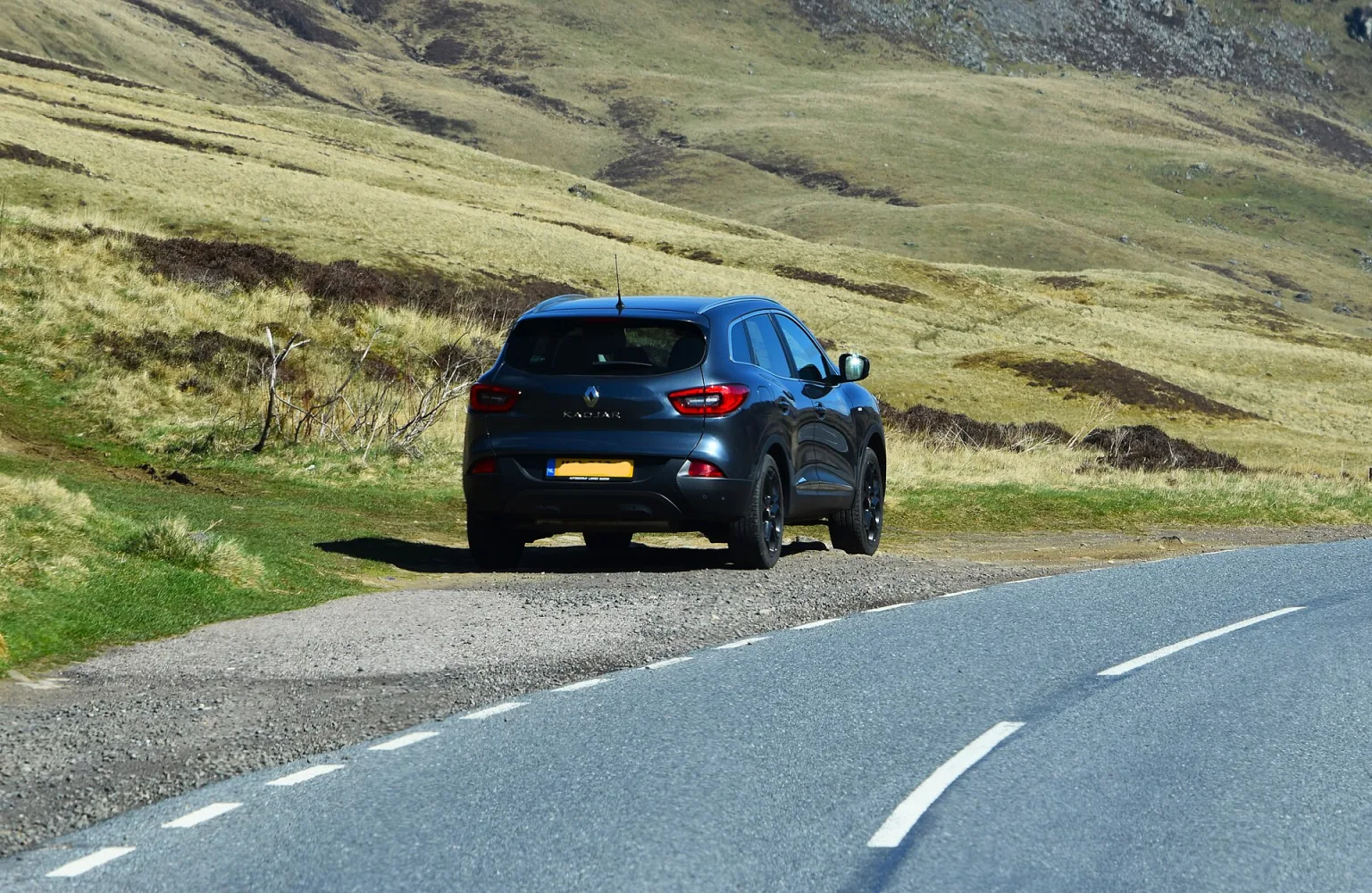
Renault’s Kadjar 1.2 TCe 130 PS arrived in European showrooms in 2015, targeting the heart of the compact SUV segment. Built on the Renault-Nissan Alliance CMF platform, it shares much of its architecture with the Nissan Qashqai, but Renault has worked to give the Kadjar a stronger visual identity and a more premium feel inside.
Design and Interior: Renault’s Distinctive Approach
Renault aimed to make the Kadjar stand out in a segment crowded with conservative designs. The front end features a large Renault badge, flanked by a chrome strip and narrow LED headlights. The sculpted sides and distinctive tail lamps give the Kadjar a concept-car edge, helping it stand out from more reserved rivals. Its dimensions and styling make it appear larger than the Qashqai, despite their shared underpinnings.
Inside, the Kadjar moves away from the utilitarian cabins of older Renaults. Soft-touch materials, a digital instrument cluster with multiple display modes, and a 7-inch R-Link 2 touchscreen (on higher trims) bring a more upmarket feel. The digital dials can be customised for different driving moods, and the infotainment system offers navigation, connectivity and downloadable apps. Entry-level models come with more basic equipment, but even these offer a cabin above the segment average for perceived quality.
Practicality: Space and Flexibility
The Kadjar’s 472-litre boot is among the largest in its class, beating the Qashqai by 33 litres thanks to a longer rear overhang. The two-tier boot floor and folding rear seats allow for up to 1,478 litres of load space, making it suitable for families or those needing to haul larger items. Rear legroom is generous, and the high driving position provides the commanding view SUV buyers expect.
Engine and Driving Technology
The 1.2-litre TCe petrol engine produces 130 PS and is paired with a manual or optional automatic transmission. While not the most powerful in the segment, it offers a balance of performance and efficiency for everyday driving. Higher trim levels bring a suite of safety and driver assistance features, including Active Emergency Braking, Lane Departure Warning, Blind Spot Monitoring, and traffic sign recognition. Parking aids and a reversing camera are also available, targeting buyers looking for convenience in urban driving.
- Active Emergency Braking System
- Lane Departure Warning
- Blind Spot Warning
- Parking aids (front, rear, side)
- Reversing camera
- Easy Park Assist
- Traffic Sign Recognition with Speed Alert
Market Position and Competition
Renault entered the compact SUV segment later than some rivals, with the Kadjar following the success of the smaller Captur and learning from the less successful Koleos. The Qashqai, a consistent European segment leader, remains the Kadjar’s most direct competitor. Renault’s strategy has been to offer more daring design and greater perceived quality, hoping to attract buyers who might otherwise choose a Nissan, Kia or Hyundai. Pricing for the 1.2 TCe started at around €18,200 for entry models, rising to over €23,000 for higher trims with more equipment and technology.
With the Kadjar, Renault has given buyers in the compact SUV segment another option that combines French styling flair with practical space and a full suite of modern technology. Its arrival made the segment more competitive, especially for those seeking something less anonymous than the established choices.