Toyota Avensis 2.0 D-4D 143 PS: Practicality Over Excitement
The latest Avensis facelift brings a BMW-sourced diesel and improved safety tech, but faces an uphill battle in a shrinking D-segment dominated by fleet buyers.
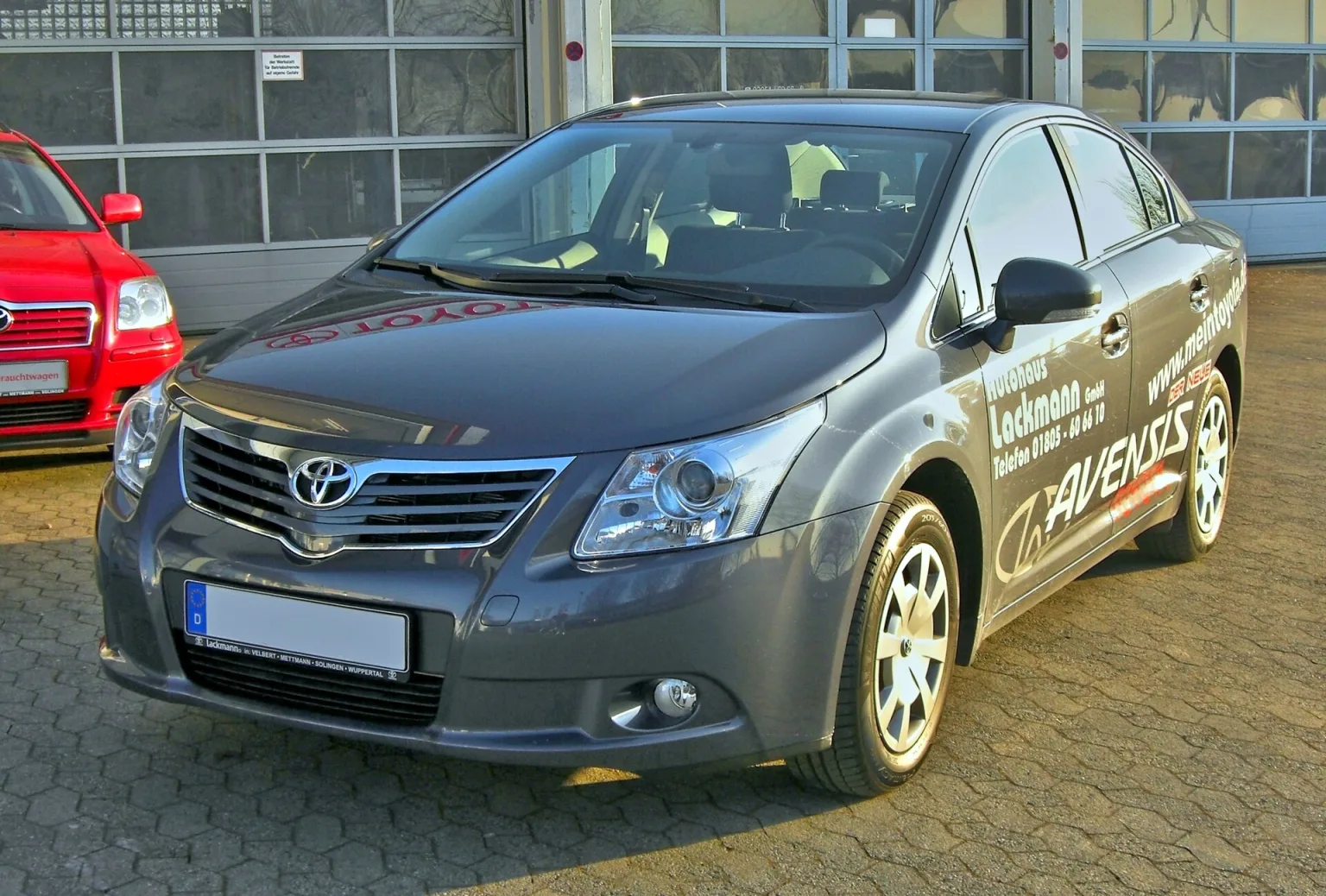
Toyota’s Avensis 2.0 D-4D 143 PS, refreshed for the European D-segment, now relies on a BMW-developed diesel engine and updated safety kit to remain relevant as private buyers shift to smaller cars and crossovers.
The Avensis has been a fixture in Toyota’s European range since 1997, but with D-segment saloon sales now largely driven by fleet customers, the brand has hesitated to commit to a new generation. Instead, the current model received a comprehensive facelift, with design input from Toyota’s studio in France and engineering by the Brussels R&D centre.
Design and cabin updates
The facelift brings a more contemporary look, with a longer, sleeker front end and slimmer LED headlights. The Avensis still leans towards conservative styling, but the changes are enough to keep it in line with rivals like the Ford Mondeo and Volkswagen Passat. Inside, Toyota has improved material quality, adding softer surfaces and better trim, though the overall layout still shows its age compared to newer competitors.
Front seats offer good comfort and improved side support, but taller drivers may struggle to find an ideal position due to limited steering column adjustment. Rear space is generous, with no intrusive central tunnel, and the 509-litre boot is practical if not class-leading. Entry-level models start around €20,000, with standard kit including manual air conditioning, cruise control, Bluetooth, and the Toyota Safety Sense package. Higher trims bring navigation, leather, and adaptive lighting, pushing the price above €30,000.
Engine and driving experience
The most notable change is under the bonnet. The old Toyota diesels have been replaced by BMW-sourced units, with the 2.0-litre D-4D producing 143 PS and 320 Nm, paired to a six-speed manual. Toyota claims improved refinement, but the engine is still gruff at low revs and only settles down at motorway speeds. The claimed combined fuel figure is 4.5 l/100km, but real-world consumption is closer to 6.7 l/100km at 140 km/h and over 8.0 l/100km in urban driving, even with stop-start.
Toyota made further tweaks to the suspension and body structure, aiming for a more composed ride and lower cabin noise. While insulation has been improved, the Avensis still trails premium rivals for overall refinement. The long sixth gear helps keep revs down on the motorway, making it a capable cruiser for fleet drivers covering high mileages.
Market context and rivals
The D-segment saloon market has contracted, with private buyers moving to crossovers and smaller hatchbacks. Fleet sales now account for the bulk of Avensis registrations. Against rivals like the Mondeo, Passat and Opel Insignia, the Toyota emphasises reliability, safety and low running costs rather than driving excitement or cutting-edge tech.
- Ford Mondeo: Sharper dynamics, more modern cabin
- Volkswagen Passat: Higher refinement, broader engine range
- Opel Insignia: Competitive pricing, strong diesel options
With Toyota yet to confirm a successor, this facelifted Avensis is likely the last of its line in Europe. For buyers prioritising dependability and safety over flair, it remains a solid if unspectacular choice.