Saab Enthusiasts Mobilise to Secure the Last 9-3 for Museum
A group of Saab fans are raising funds to buy the final 9-3 Griffin Aero sedan and donate it to the Saab Museum in Trollhättan as the brand’s bankruptcy proceedings conclude.
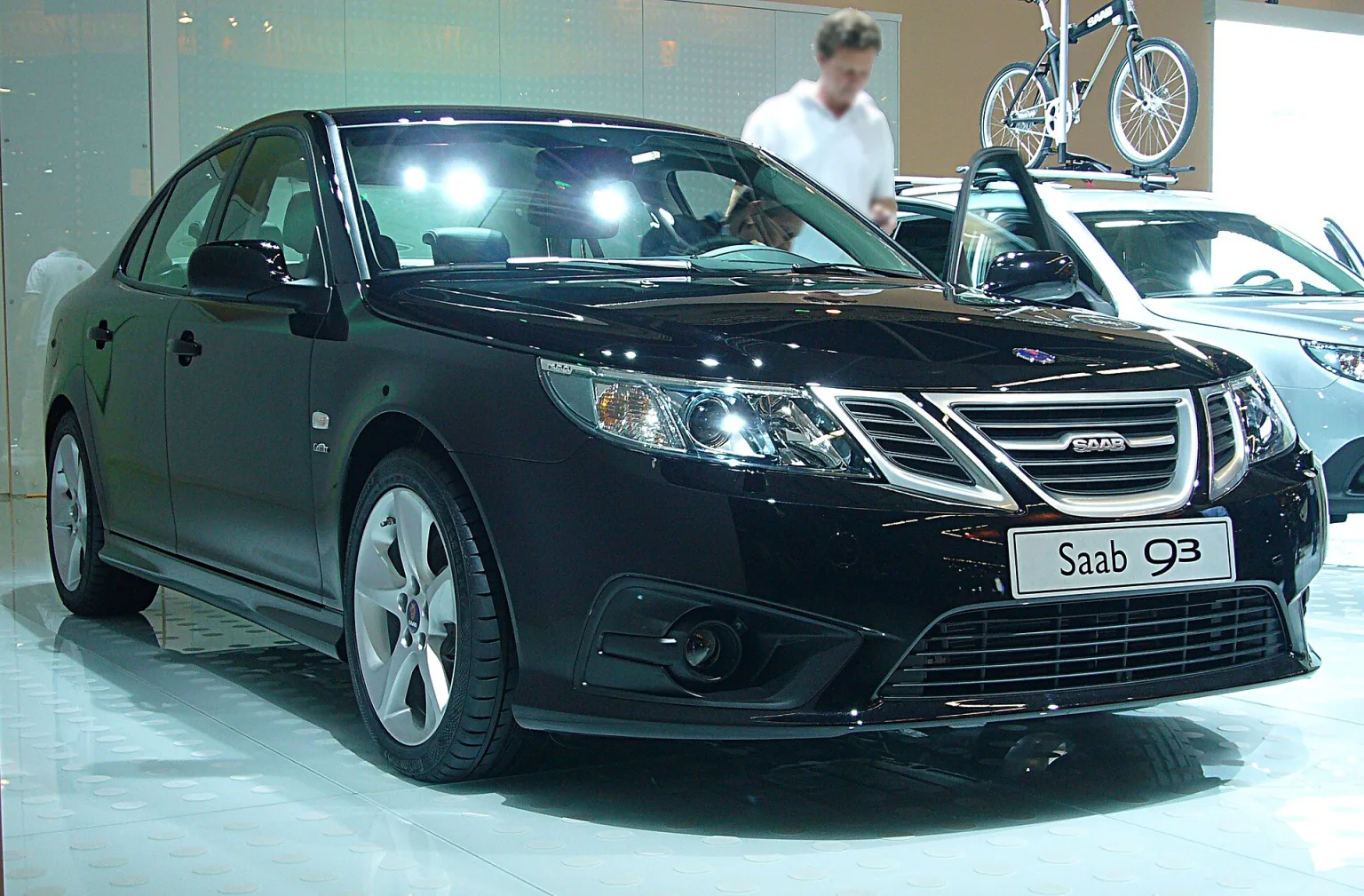
Saab’s last 9-3 Griffin Aero sedan, a white 2012 model, is set to become a piece of automotive history as fans from the SaabsUnited community attempt to secure it for the Saab Museum in Trollhättan. With the company’s bankruptcy process drawing to a close, this car marks the end of an era for the Swedish manufacturer.
Saab’s Final Production Days in Trollhättan
Saab’s bankruptcy in late 2011 halted production at its Trollhättan facility, leaving unfinished business and a handful of cars still on the line. The last of these, a 9-3 Griffin Aero, was scheduled to roll off the assembly line at the end of May 2012. Once completed, the car was to be delivered to one of Saab’s remaining dealers for sale, its fate uncertain as administrators sought to maximise value from the company’s remaining assets.
The 9-3 Griffin Aero represents the final evolution of Saab’s core saloon, a model that had been central to the brand’s identity for nearly two decades. The Griffin edition was introduced in 2011 as a last update, featuring a revised front end, new interior materials and updated engines. Yet, the company’s financial difficulties meant only a limited number of these cars were built before the assembly lines fell silent.
Fans Rally to Keep Saab’s Legacy Intact
SaabsUnited, a prominent online community for Saab enthusiasts, launched a fundraising campaign to purchase the last 9-3 and ensure its preservation. By early May 2012, supporters had raised $8,000, but the group estimated they would need at least four times that figure to secure the car from the receivers. Their plan was to donate the car to the official Saab Museum, with a plaque listing the names of all contributors.
The effort followed a successful campaign to save the Saab Museum itself from being broken up and its collection sold off. That outcome gave the community hope that the final 9-3 could be kept in Sweden and made accessible to the public rather than disappearing into private hands or leaving the country. For many, the car symbolises not only the end of Saab production but also the resilience of the brand’s global fanbase.
What Happens Next for the Last 9-3?
At the time, the group’s fundraising remained short of the target, and the final outcome depended on the car’s sale price and the willingness of the receivers to accept a community-backed bid. If successful, the car would join the museum’s collection, serving as a tangible reminder of Saab’s final chapter and the role of enthusiasts in preserving automotive heritage.
The story of the last Saab 9-3 and its possible place in the Trollhättan museum stands alongside the wider struggle to keep the brand’s legacy alive. For background on the Saab Museum’s own rescue, seeSaab Museum Saved Will Stay in Trollhattan.