BMW Drivers Linked to Cheating Stereotype in Online Polls
A series of online discussions and informal polls have fuelled the stereotype that men who cheat are more likely to drive BMWs, but the evidence behind the claim is thin.
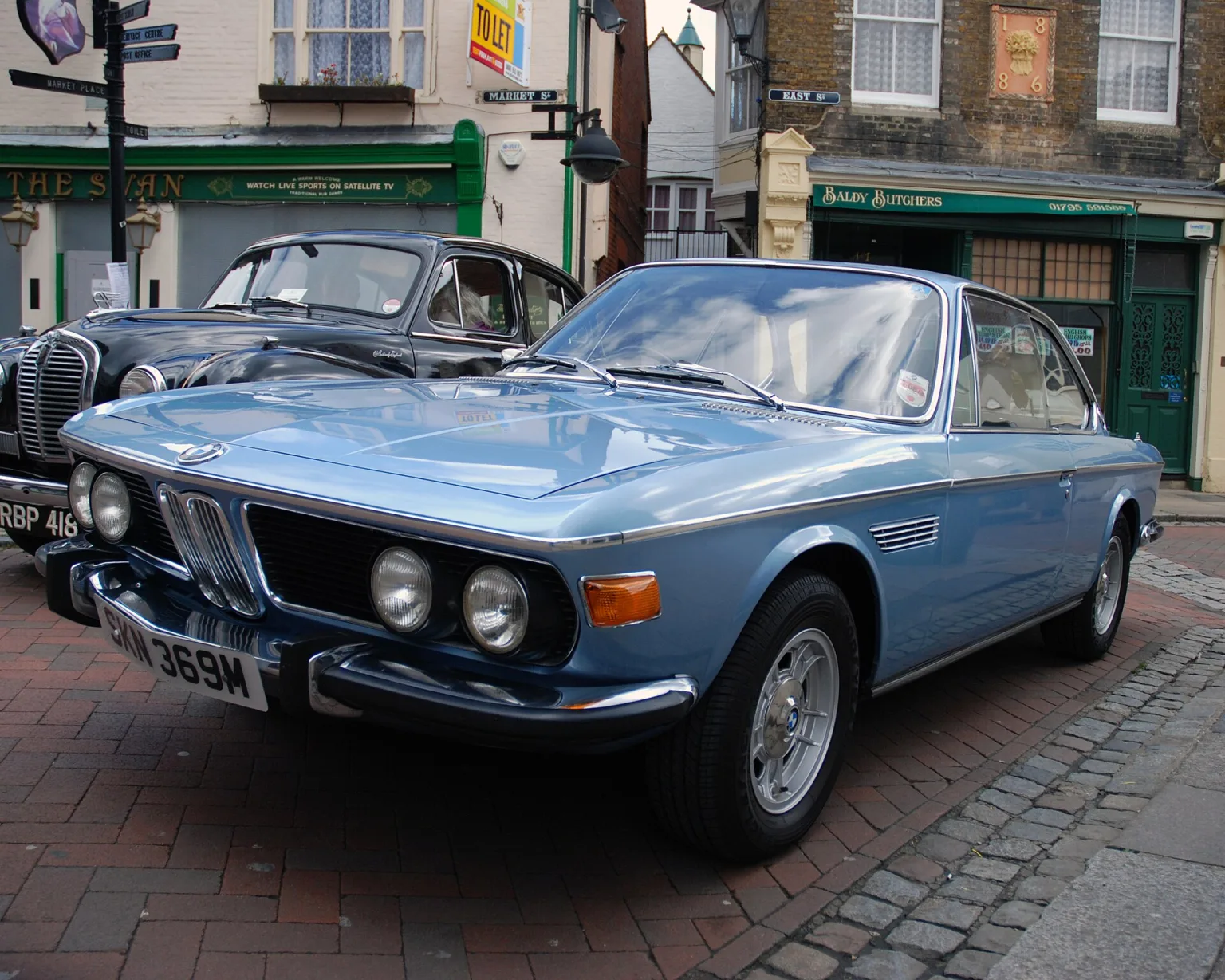
A recurring theme in online discussions is the claim that men who cheat are most likely to drive BMWs. The idea has gained traction on forums and in social media debates, but there is little in the way of formal data to support it.
Where the stereotype comes from
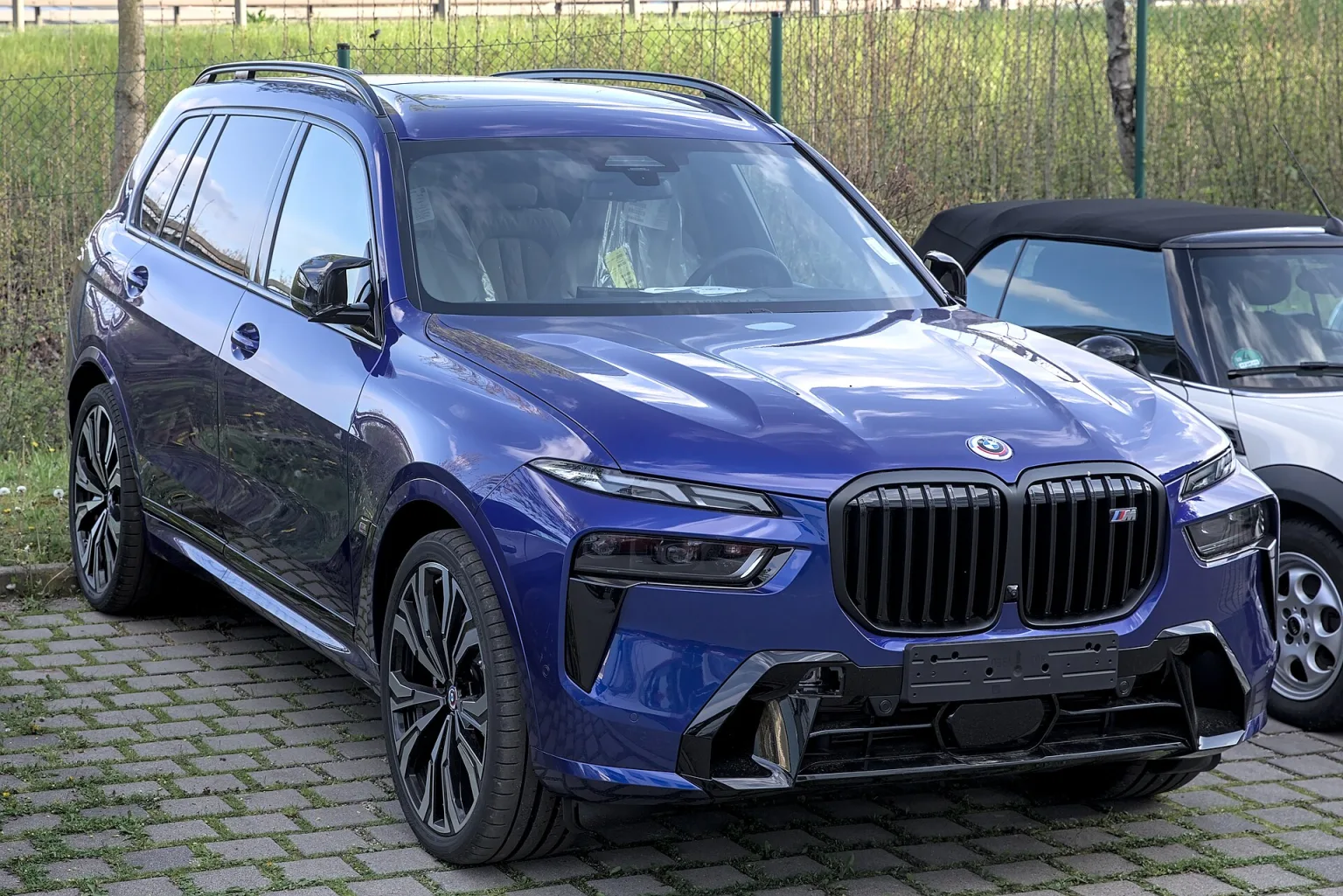
The link between BMW drivers and infidelity appears to have emerged from a combination of online polls, dating site surveys and anecdotal evidence. Forum threads, such as those on MMO-Champion, show how quickly these ideas spread. Users discuss which cars they would buy, often referencing the social status or image associated with certain brands. BMWs, particularly models like the 3 Series and X6, are mentioned as aspirational choices for those with a budget in the £50,000–£70,000 range.
In these debates, some contributors joke about the appeal of luxury cars for attracting attention, while others suggest that practicality or reliability is a better investment. The BMW name comes up frequently, often alongside comments about the brand’s reputation for sporty driving and a certain brashness. This feeds into the stereotype, even though most of the evidence is tongue-in-cheek or based on personal observation rather than research.
No hard evidence behind the claim
Despite the popularity of the idea, there is no scientific study or official data confirming that BMW drivers are more likely to cheat. The claim is repeated in informal online polls and media articles, but these sources rarely provide details of methodology or sample size. Most rely on self-selected responses or anecdotes, which are not reliable indicators of broader trends.
BMW’s popularity among younger professionals and its marketing focus on driving pleasure and image may contribute to the association. The brand’s presence in online discussions about status, dating and attraction is clear, but this reflects social perception rather than any proven behavioural pattern among owners.
Why the myth persists
The idea that BMW drivers are more likely to cheat persists because it fits a popular narrative about status, risk-taking and conspicuous consumption. In forum debates, users often reference the appeal of certain cars in attracting partners or projecting an image. Brands like BMW, Mercedes-Benz and Audi come up frequently, but BMW seems to attract the most attention in this context.
For the motor industry, the stereotype is largely a sideshow. BMW’s sales are driven by product range, brand image and driving dynamics, not by any proven link to owner behaviour outside the car. The association with infidelity is a product of internet culture, not the showroom floor.