Tesla, Lucid and Faraday Future spark EV acceleration contest
Tesla’s latest Ludicrous+ update intensifies the electric acceleration race as Lucid and Faraday Future tout even faster figures for their upcoming models.
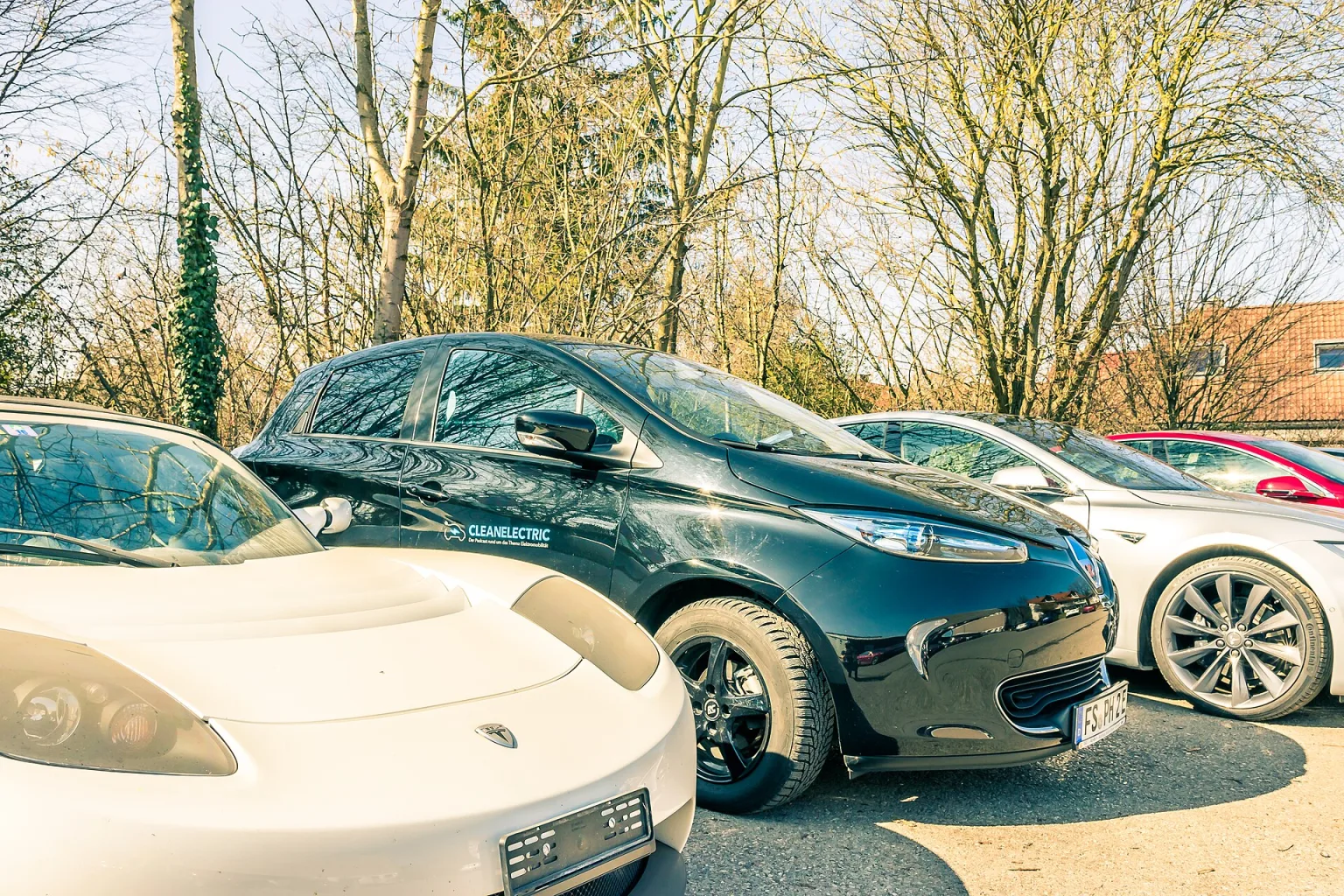
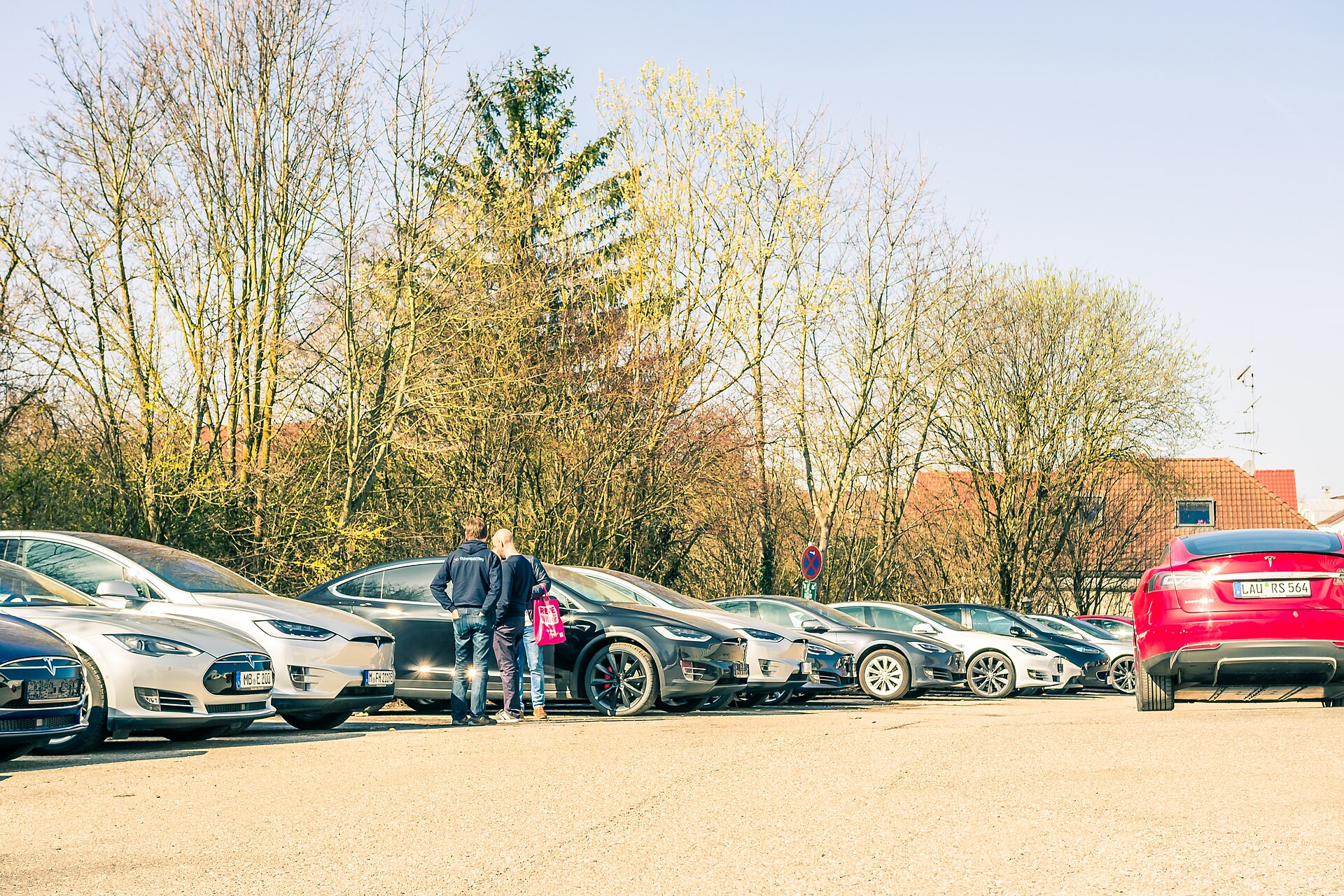
Tesla has escalated the electric vehicle acceleration race by releasing a new Ludicrous+ mode for its Model S, cutting the 0–60 mph sprint to a claimed 2.4 seconds. This move follows bold performance claims from Lucid Motors and Faraday Future, both of which are targeting acceleration figures that match or surpass Tesla’s benchmarks.
Tesla’s software-driven acceleration arms race
The Model S P100D was already at the top of the EV acceleration charts, with Tesla’s Ludicrous mode officially rated at 2.5 seconds for 0–60 mph. The latest over-the-air update introduces Ludicrous+, which Tesla says shaves another tenth of a second off that figure. Elon Musk has suggested even lower times could be unlocked in future updates, hinting at a possible 2.34-second run.
This puts the Model S in rare company. Only the now-discontinued Porsche 918 Spyder, a petrol-electric hypercar, has officially posted a quicker 0–60 mph time among road-legal cars. Tesla’s approach relies on continuous software improvements, delivered remotely to existing vehicles, rather than hardware upgrades.
Lucid and Faraday Future challenge Tesla’s figures
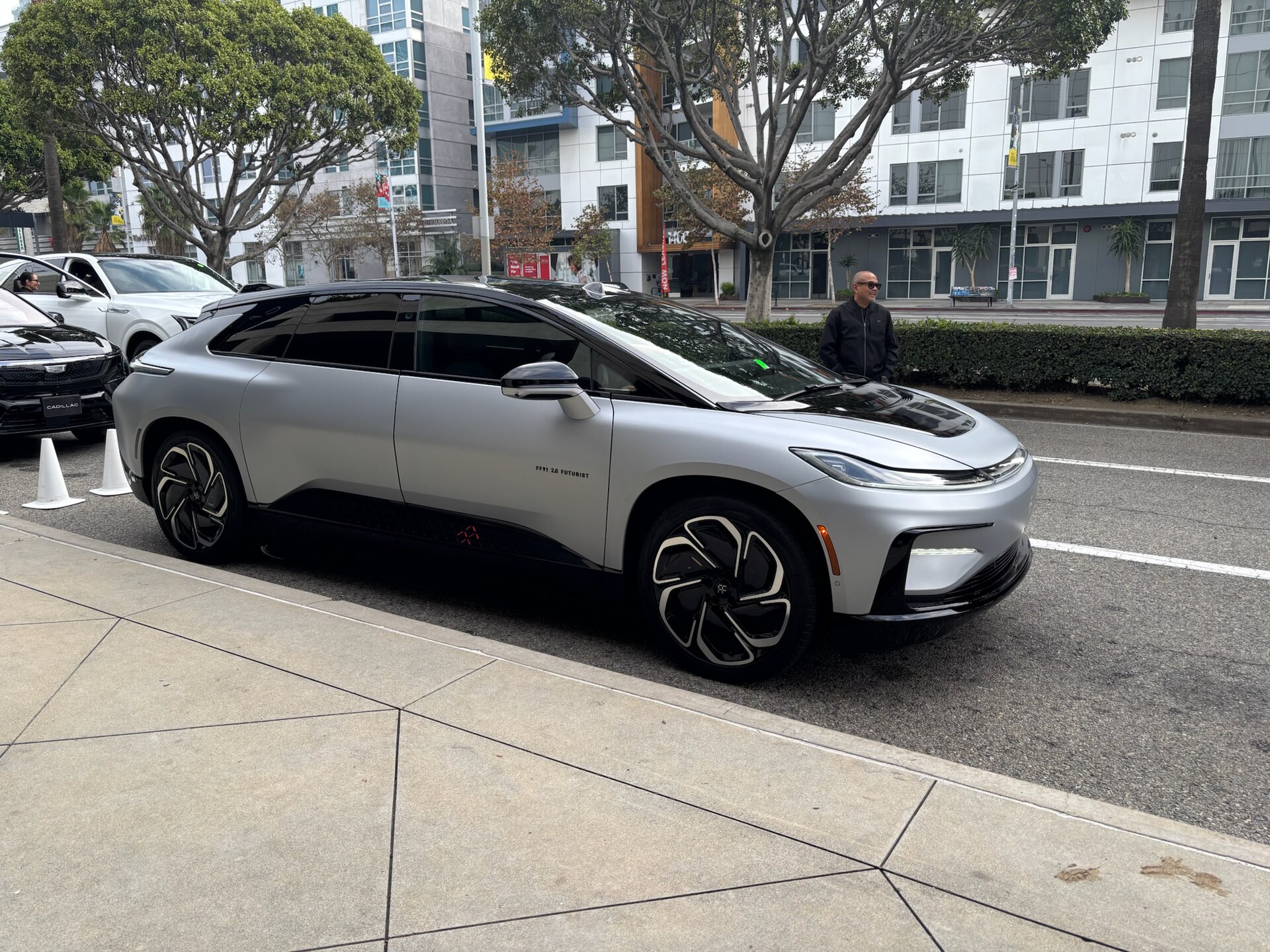
Lucid Motors and Faraday Future have both entered the fray with headline-grabbing acceleration claims for their upcoming electric saloons. The Lucid Air is targeting a sub-2.5 second 0–60 mph time, while Faraday Future’s FF91 is quoted at 2.39 seconds. Both figures, if achieved, would put these new entrants on par with or ahead of Tesla’s latest performance.
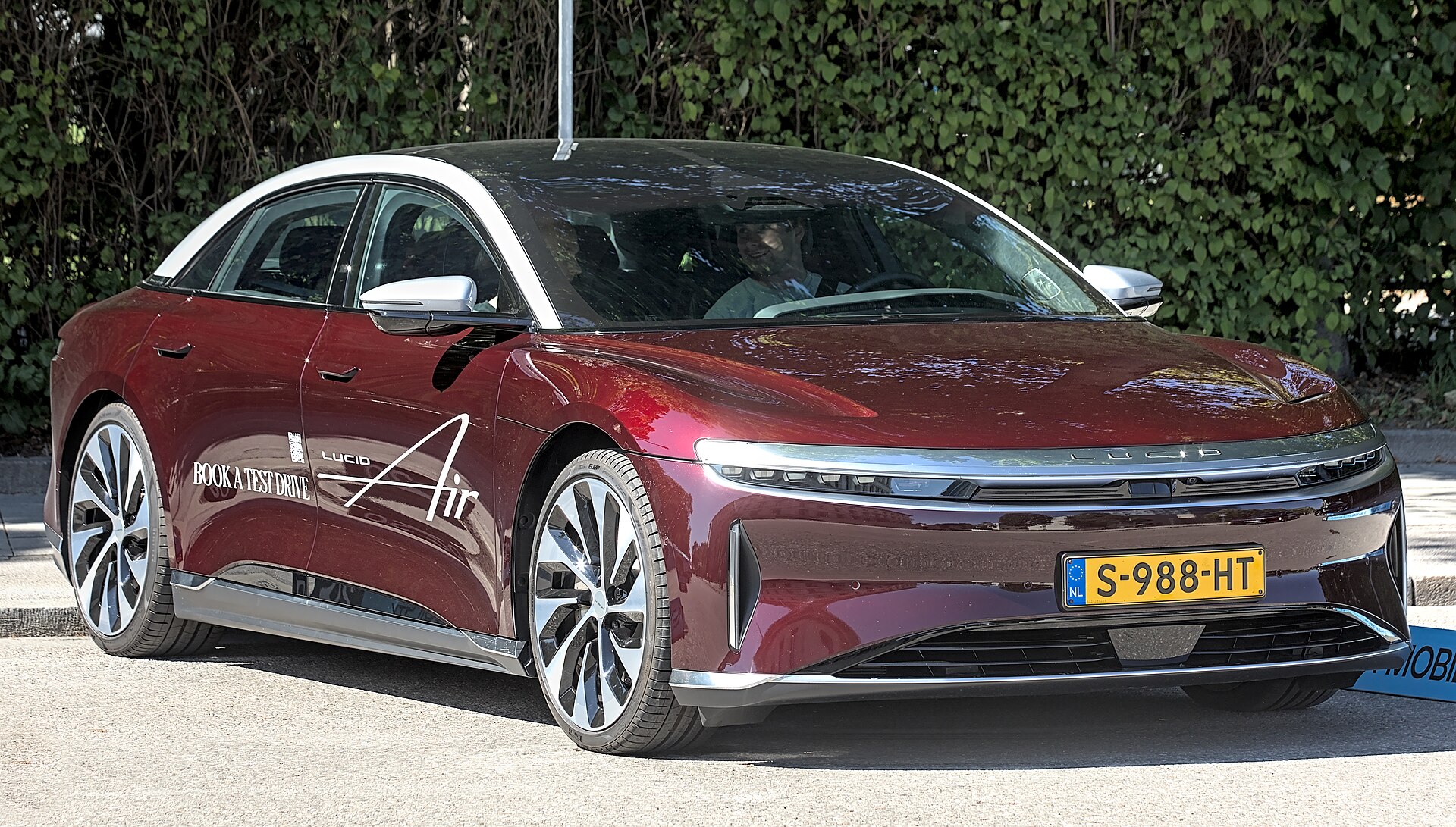
Neither Lucid nor Faraday Future has delivered a production vehicle to customers at the time of these claims. Both companies have demonstrated prototypes, but mass production and independent verification of their performance figures remain outstanding.
Acceleration as a selling point for premium EVs
Rapid 0–60 mph times have become a key marketing tool in the premium electric segment. Tesla’s ability to improve performance via software updates keeps existing owners engaged, while Lucid and Faraday Future hope to attract attention with even more ambitious numbers. For now, Tesla’s Model S holds the production EV acceleration crown, but the contest is far from settled until rivals deliver on their promises.