Honda unveils fourth-generation CR-V at Tokyo Motor Show
Honda has revealed the latest CR-V in Tokyo, offering two petrol engines and overcoming supply chain issues that threatened to delay production.
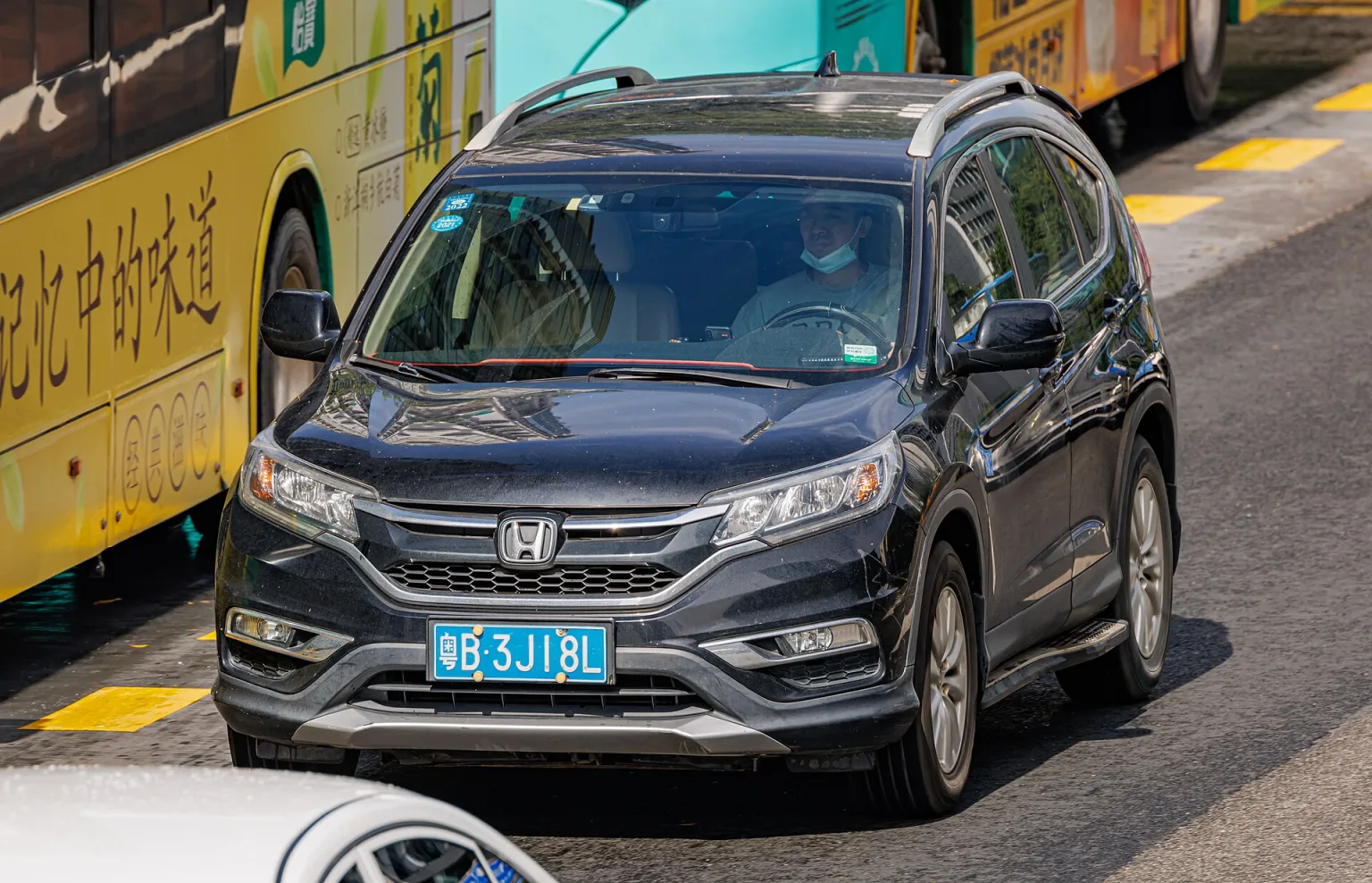
Honda has officially unveiled the fourth-generation CR-V at the Tokyo Motor Show, confirming the new model's production start despite earlier supply chain problems. The CR-V entered production at Honda’s East Liberty, Ohio plant on 29 November 2011, just in time for its Japanese debut. This marks a significant moment for Honda, as the company overcame considerable logistical challenges to keep its production schedule on track.
Tokyo: New Honda CR-V Revealed at the Tokyo Motor Show
Engine Options and Technical Changes
The latest CR-V offers buyers a choice between two petrol engines. The entry-level 2.0-litre four-cylinder produces 150 PS and 191 Nm of torque, paired with a five-speed automatic gearbox. Honda has marginally increased the compression ratio for this engine to 10.6:1, up from the previous model’s 10.5:1. For those seeking more power, a 2.4-litre variant is available, delivering 190 PS and 222 Nm of torque. Both engines are naturally aspirated, continuing Honda’s focus on reliability and efficiency in the midsize SUV segment. At launch, the five-speed automatic remains standard for the Japanese market, with no mention of a manual or diesel option.
| 2.0-litre engine | 150 PS, 191 Nm, 10.6:1 compression ratio, five-speed automatic |
|---|---|
| 2.4-litre engine | 190 PS, 222 Nm, five-speed automatic |
Production and Supply Chain Recovery
The launch schedule for the new CR-V was threatened by severe flooding in Thailand, which disrupted the supply of key components. Honda relies on a global network of suppliers, and the natural disaster led to widespread delays across the industry. Despite these challenges, Honda managed to resolve the issues in time, beginning assembly in Ohio as planned. This allowed the CR-V’s Tokyo debut to proceed without delay, maintaining momentum for the new model’s rollout.
The company’s ability to manage its supply chain crisis highlights the importance of flexibility and global coordination in modern car manufacturing. The floods in Thailand had a ripple effect on production lines worldwide, but Honda’s swift response ensured that the CR-V remained on schedule for its key markets.
Market Position and Competition
The CR-V remains a core model in Honda’s global line-up, especially in North America where it is a strong contender in the competitive midsize SUV segment. In this market, the CR-V faces rivals such as the Toyota RAV4 and Nissan Rogue, both of which offer similar engine choices and practicality. Honda’s approach with the new generation has been to deliver incremental technical improvements rather than a radical redesign, aiming to retain loyal customers while attracting new buyers with enhanced efficiency and reliability.
- Toyota RAV4: Direct competitor with similar engine options
- Nissan Rogue: Another key rival in the midsize SUV market
- Mazda CX-5: Competes on efficiency and technology
The CR-V’s reputation for dependability and practicality has made it a popular choice for families and commuters alike. With the new generation, Honda aims to build on this legacy, offering subtle updates to performance and comfort while keeping the formula familiar.
Global Rollout and Future Prospects
While the US market is set to receive the new CR-V shortly, Honda has not yet confirmed when the model will arrive in Europe. The company’s immediate focus is on stabilising supply and meeting demand in its largest markets, particularly in North America and Japan. The uncertainty around the European launch reflects the ongoing challenges in global logistics and the need to prioritise markets with the highest demand.
The new CR-V is expected to play a significant role in Honda’s strategy for the coming years, as the company continues to refine its SUV offerings in response to shifting consumer preferences. The model’s introduction at the Tokyo Motor Show signals Honda’s commitment to innovation and resilience, even in the face of unforeseen disruptions.
Summary
Honda’s reveal of the fourth-generation CR-V at the Tokyo Motor Show demonstrates the company’s ability to adapt to supply chain disruptions and maintain its position in the competitive SUV market. With updated engine options, continued focus on reliability, and production now underway, the new CR-V is set to bolster Honda’s line-up in key markets. The industry will be watching to see how quickly Honda can expand availability to Europe and other regions in the months ahead.