Toyota RAV4 Elegance 2.0L D-4D 4x2: SUV Shape, Crossover Drive
The front-wheel-drive RAV4 Elegance 2.0L D-4D offers SUV styling with a diesel engine but omits all-wheel drive, positioning itself as a crossover in Toyota’s European line-up.
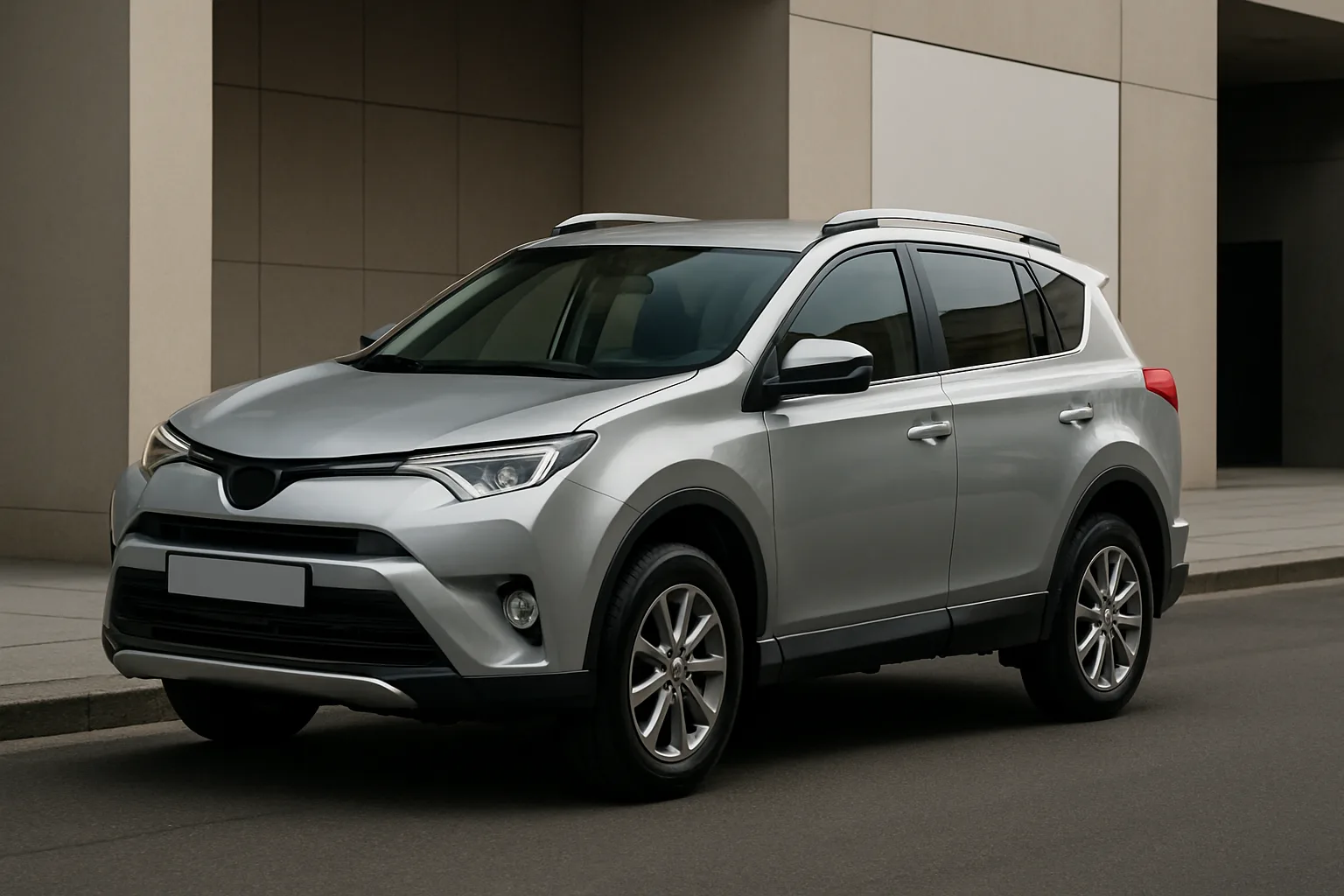
Toyota’s RAV4 Elegance 2.0L D-4D 4x2 delivers the full visual impact of an SUV, but under the bodywork it’s a front-wheel-drive crossover. For European buyers in 2016, the diesel engine option was paired exclusively with 4x2 drive, separating it from the petrol and hybrid RAV4s, which offered all-wheel-drive variants.
That decision reflected Toyota’s reading of the segment. The RAV4’s SUV styling and raised ride height meet the expectations of buyers who want the look and practicality of an SUV, but most owners rarely venture off tarmac. By reserving all-wheel drive for petrol and hybrid models, Toyota steered diesel customers towards a simpler, lighter and more economical package, while encouraging those who wanted four-wheel traction to consider the hybrid.
Diesel engine, front-wheel drive only
The 2.0-litre D-4D engine in the RAV4 Elegance 4x2 produced 143hp and 320Nm of torque, paired with a six-speed manual gearbox. Toyota did not offer a diesel all-wheel-drive RAV4 in this generation for Europe, a move that set it apart from some rivals still pairing diesel with 4x4 hardware. The configuration prioritised efficiency and price over outright traction, with official combined fuel economy figures around 60mpg (depending on market specification) and CO2 emissions competitive for its class at the time.
Buyers seeking more traction or an automatic transmission needed to look at the petrol or hybrid RAV4s, which brought Toyota’s electronic all-wheel drive (E-Four) system into the mix. The hybrid, in particular, was positioned as the all-rounder, offering both 4x2 and 4x4 options and appealing to company-car drivers with lower emissions.
SUV styling, crossover hardware
The facelifted RAV4, introduced at the 2015 New York Auto Show, brought sharper lines, a sleeker grille and new bumpers. The Elegance trim added features such as faux skid plates and updated interior materials, but the basic platform remained unchanged. The high seating position and large boot made it practical for families, while the absence of a rear differential and propshaft freed up space and reduced weight compared to a full SUV layout.
For buyers, this meant the RAV4 Elegance 2.0L D-4D 4x2 was best suited to urban and suburban use. It competed directly with other crossovers such as the Nissan Qashqai and Kia Sportage, which also prioritised front-wheel drive in their diesel ranges. The RAV4’s reputation for reliability and the appeal of SUV looks without the running costs of all-wheel drive helped maintain its popularity in the segment.
Position in the market
Toyota’s approach with the RAV4 diesel reflected broader trends across Europe, where crossovers with SUV styling but without off-road hardware were in high demand. By offering the 2.0L D-4D only as a 4x2, Toyota positioned the RAV4 to attract buyers focused on efficiency, price and practicality rather than off-road ability. Those needing more capability could opt for petrol or hybrid versions, or look to rivals that still paired diesel with 4WD.
The RAV4’s evolution from a pioneering compact SUV to a mainstream crossover with multiple powertrains shows how the segment matured. For a look at the hybrid’s introduction and how Toyota expanded the RAV4 line-up, seeToyota Unveils 2016 RAV4 Hybrid at New York Show.