Toyota unveils Smart INSECT Concept at CEATEC Japan
Toyota has presented the Smart INSECT Concept in Japan, showcasing facial recognition, smartphone integration and a virtual agent as part of its connected city car vision.
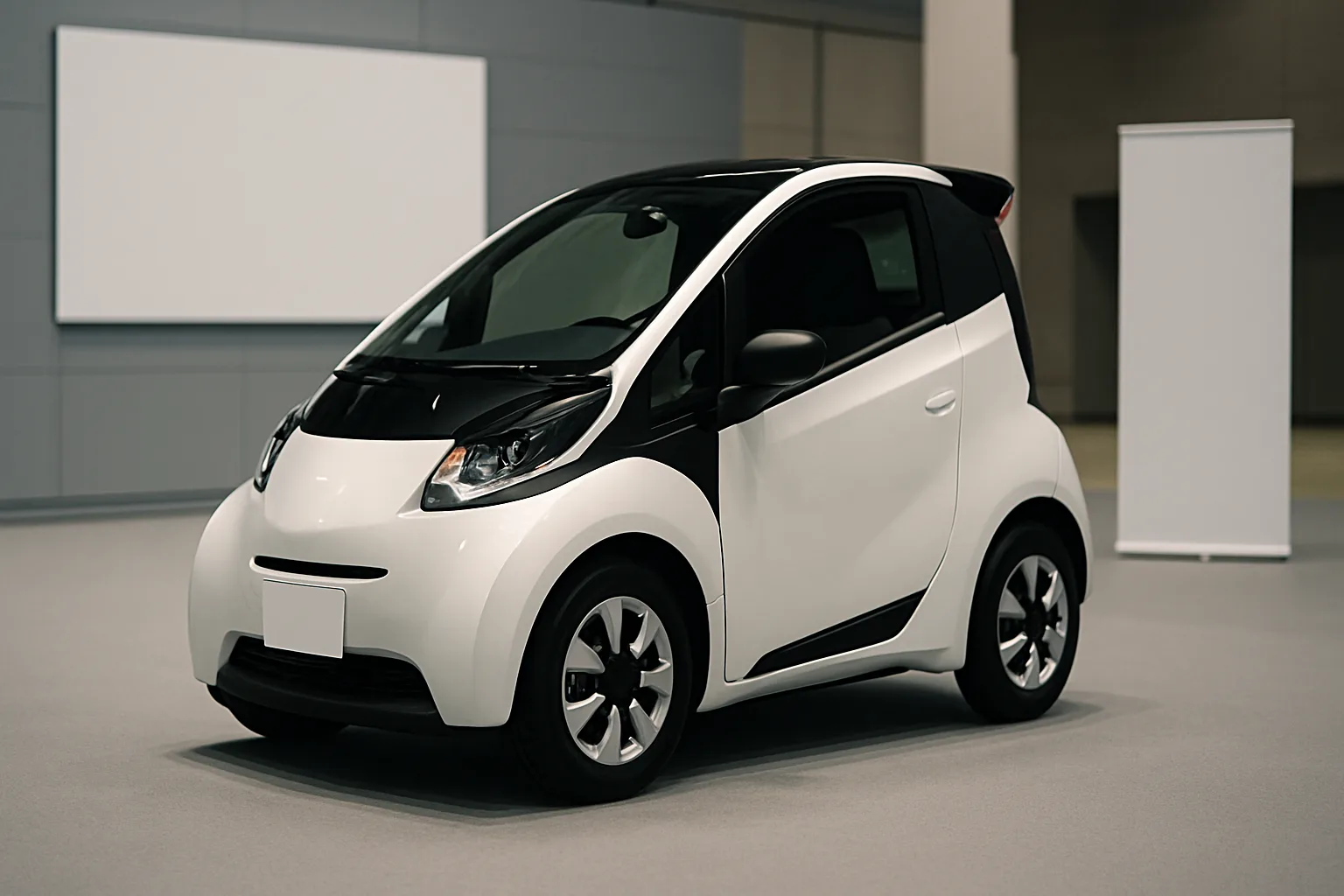
Toyota has introduced the Smart INSECT Concept at the CEATEC technology exhibition in Japan. Designed as a compact electric city car, the Smart INSECT showcases Toyota’s vision for the integration of advanced digital connectivity, artificial intelligence, and human-machine interface technology in urban mobility. The vehicle is intended as a demonstration platform rather than a production-ready model, reflecting Toyota’s ongoing research into future mobility solutions.
Introduction to the Toyota Smart INSECT Concept
Meaning Behind the Name: INSECT
The name INSECT is an acronym for Information Network Social Electric City Transporter. This highlights the concept’s focus on networked communication, electric propulsion, and suitability for city environments. The Smart INSECT is part of Toyota’s broader exploration into how digital services and smart infrastructure can be integrated into personal transportation.
Facial Recognition and Virtual Assistant
One of the most distinctive features of the Smart INSECT Concept is its use of facial recognition software. As a person approaches, the car scans their face to authenticate their identity. If the system recognises the owner, the vehicle flashes its lights and issues a greeting. This approach is designed to enhance both convenience and security, offering a glimpse into how future cars might provide personalised access and interaction.
Inside, the Smart INSECT is equipped with a virtual agent that communicates with the driver. This artificial intelligence system is designed to predict the user’s intentions, such as starting the radio, adjusting the climate control, or providing navigation assistance. The aim is to create a seamless and intuitive connection between the driver and the car, reducing the need for manual inputs and making daily commutes more efficient.
Remote Control and Connected Features
Beyond the in-car experience, the Smart INSECT Concept enables certain functions to be controlled remotely using a smartphone application. Owners can lock or unlock the doors and adjust the air conditioning from their home or office, ensuring the vehicle is ready and comfortable before they even step inside. This reflects Toyota’s commitment to integrating personal devices with mobility solutions, a trend that is becoming increasingly important in the development of connected vehicles.
No Production Plans and Concept Focus
Toyota has stated that there are no plans to put the Smart INSECT Concept into production. The company has not released detailed technical specifications or performance data for the car. Instead, the focus at CEATEC was on the demonstration of digital connectivity and artificial intelligence, rather than traditional automotive hardware or driving dynamics.
Implications for Future Mobility
While the Smart INSECT is not destined for showrooms, several of its features point towards trends that are likely to shape future Toyota models and the wider automotive industry. The integration of facial recognition, virtual assistants, and remote connectivity suggests a future in which cars are more closely linked to their owners’ digital lives, offering greater personalisation, security, and convenience. These technologies also align with broader industry moves towards autonomous driving and smart city integration.
The Smart INSECT joins a growing list of concept vehicles that explore the intersection of mobility and digital ecosystems. By focusing on human-machine interaction and artificial intelligence, Toyota is signalling its interest in developing vehicles that go beyond traditional transportation, potentially influencing the design and functionality of upcoming production models.
Other Toyota Concepts and Related Developments
Toyota has a history of unveiling forward-thinking concept cars at major shows. Other recent examples include the Toyota FT-HT Yuejia Concept and the Toyota Prius Camper Van Conversion. These vehicles, like the Smart INSECT, are used to test new ideas and gauge public reaction to emerging technologies and design philosophies.
- Toyota FT-HT Yuejia Concept: Focused on family mobility and advanced infotainment.
- Toyota Prius Camper Van Conversion: Showcases versatility and alternative uses for hybrid vehicles.
Conclusion
The Toyota Smart INSECT Concept, unveiled at CEATEC Japan, demonstrates the company’s commitment to exploring the future of connected, intelligent urban vehicles. While it remains a concept with no production plans, its innovative use of facial recognition, virtual assistance, and smartphone integration highlights the direction in which Toyota and the wider industry are moving. As digital connectivity becomes ever more central to automotive design, concepts like the Smart INSECT provide an early look at the possibilities for tomorrow’s city cars.