Unions Target Foreign-Owned Auto Plants in US and Canada
Union efforts intensify at Toyota’s Ontario factories and Nissan’s Mississippi plant as organisers seek a foothold in North American transplant operations.
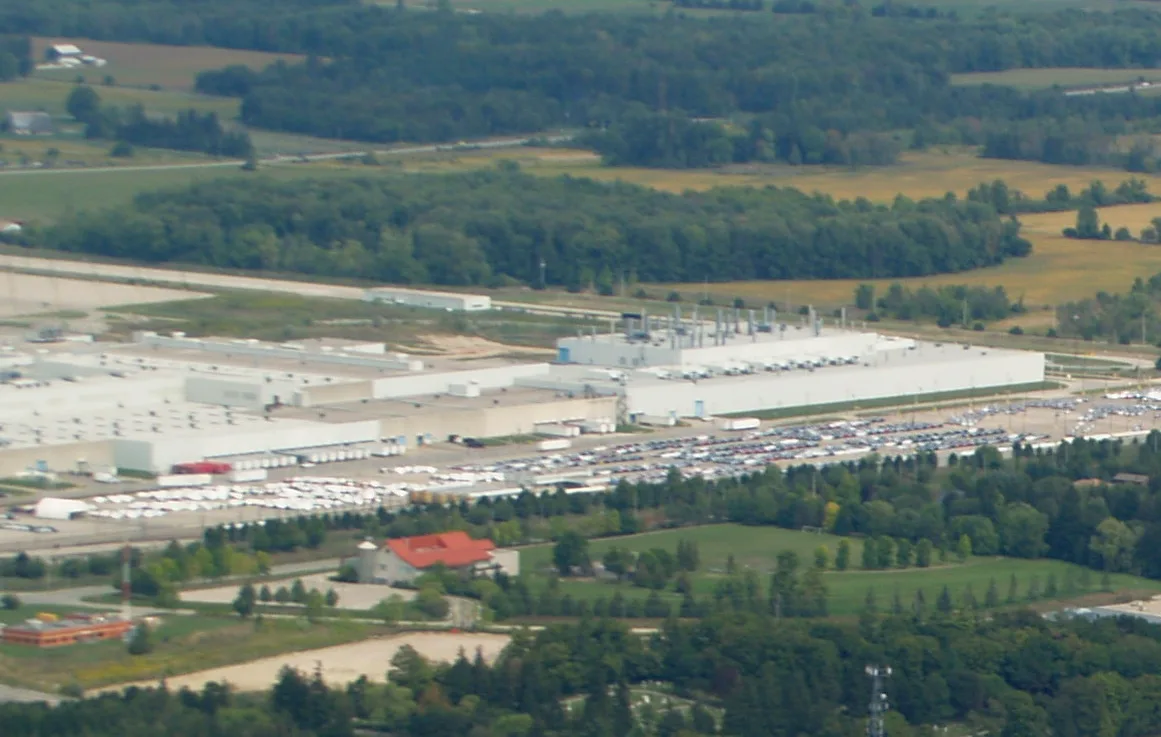
Union organisers in North America have renewed campaigns to represent workers at foreign-owned car factories, with Toyota’s Canadian plants and Nissan’s Mississippi operation now in focus. Despite accounting for a large share of vehicle production in the US and Canada, these so-called transplant facilities remain largely non-unionised, a situation that has frustrated union leaders for years.
Unifor, the Canadian union formed from the merger of the Canadian Auto Workers and other groups, is mounting a major push to organise Toyota’s assembly plants in Ontario. Union officials have identified the widespread use of ‘permanent temporary’ workers, employees who remain in insecure roles for years without full-time status, as a key issue. Unifor believes this practice gives them an opportunity to win support among Toyota’s Canadian workforce.
Toyota has responded by stating that it does not see a need for union representation at its Canadian sites and expects the Unifor campaign to lose momentum before reaching a decisive stage. The company’s stance echoes the resistance seen at other foreign-owned facilities across the continent.
Union Drives in the US South
In the United States, the United Auto Workers (UAW) has set its sights on Nissan’s assembly plant in Canton, Mississippi. The UAW has struggled for decades to organise workers at Japanese and European-owned plants in the US, including Honda and Toyota, with limited progress. Nissan’s management remains opposed to unionisation at Canton, and the company has not indicated any willingness to change its position.
Volkswagen’s Chattanooga, Tennessee plant presents a different scenario. The company has entered discussions with the UAW about potential union representation, though no agreement has been finalised. The situation is complicated by pressure from Volkswagen’s own German works council, which has lobbied for a stronger union presence in the US. For more on this, seeVolkswagen Faces Pressure from German Union over US Plant Representation.
Legal and Strategic Differences
Union leaders point to the differences in labour law between the US and Canada. Canadian rules are generally more favourable to unionisation, making it harder for employers to delay or block organising efforts. In contrast, US law gives management more leeway to resist union drives, contributing to the unions’ limited success at foreign-owned plants south of the border.
A successful union campaign at Toyota’s Ontario plants would be closely watched across the industry. It could prompt renewed efforts at other transplant operations in North America, where most Asian and European manufacturers have so far kept unions at bay. For background on union negotiations at US plants, seeUAW in Talks to Represent Volkswagen Workers at Tennessee Plant.
Efforts to organise foreign-owned auto plants in North America continue to test the strategies of both unions and manufacturers, with outcomes at Toyota, Nissan and Volkswagen likely to influence future organising drives across the sector.