California Issues First Autonomous Car Testing Permits to Audi, Google and Mercedes-Benz
Audi, Google and Mercedes-Benz have received the first official permits to test autonomous vehicles on California public roads, with Google holding the majority of approvals.
California has granted its first set of autonomous vehicle testing permits, with Audi, Google and Mercedes-Benz among the initial recipients. The new requirement, which came into effect in September 2014, makes it compulsory for companies to obtain state approval before operating self-driving cars on public roads.
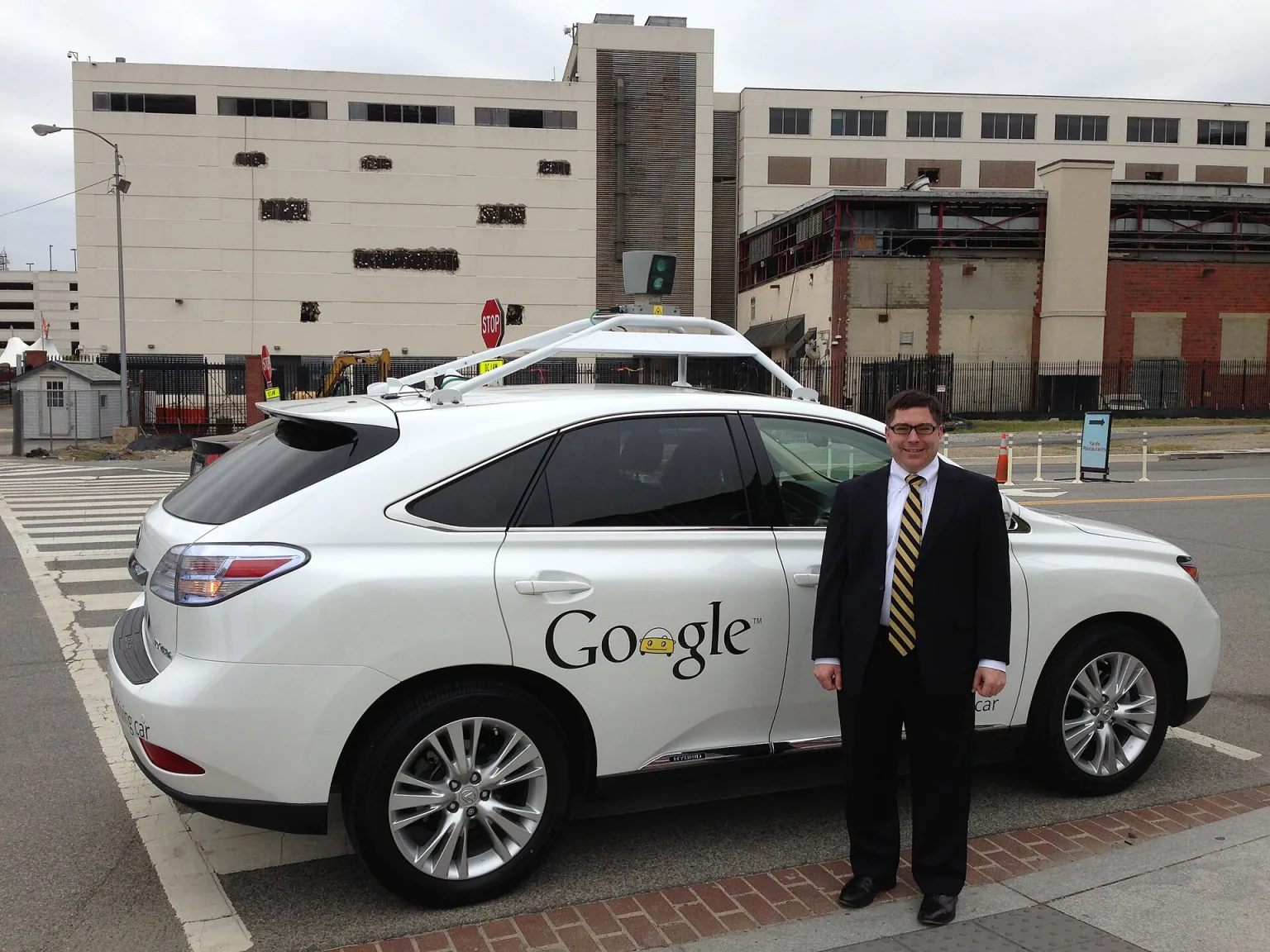
According to the California Department of Motor Vehicles, a total of 29 permits were issued on the first day. Google accounted for 25 of these, with the company continuing to test its fleet of modified Lexus SUVs. Audi and Mercedes-Benz received two permits each, allowing them to begin or continue public road trials under the new legal framework.
Permit system brings new rules for autonomous testing
The introduction of the permit system follows several years of autonomous vehicle testing in California without formal regulatory oversight. The new rules require any company wishing to test self-driving vehicles on public roads to obtain a permit and ensure that a qualified test driver is present in the vehicle at all times, ready to take control if necessary.
Audi was the first to apply for the new permit, followed by Mercedes-Benz and then Google. State officials confirmed that other manufacturers and major suppliers have since begun the application process, reflecting growing interest in autonomous technology from across the industry.
Implications for manufacturers and technology companies
The permit requirement creates a unified legal structure for autonomous vehicle testing in California, which remains the most populous US state and one of the world’s most important automotive markets. For manufacturers like Audi and Mercedes-Benz, the permits allow continued development of advanced driver assistance and autonomous systems in real-world conditions. For technology companies such as Google, the new framework provides clarity and legitimacy for ongoing large-scale trials.
- Audi: first to apply for a California autonomous driving permit
- Mercedes-Benz: received two permits, expanding its US testing
- Google: 25 permits, largest permitted fleet in the state
California’s move has prompted other US states and international markets to consider similar requirements, as the race to develop viable autonomous vehicles accelerates. The state’s system also mandates that test drivers must be able to override the autonomous system at any time, a measure intended to address safety concerns during the technology’s development phase.
With other carmakers and suppliers entering the process, California’s roads are set to see a growing mix of autonomous vehicles under official supervision. The permit system marks a shift from informal trials to regulated, accountable testing as the sector moves towards commercialisation.