US experts: Autonomous cars will improve safety but cannot eliminate surprises
Engineering leaders at the SAE World Congress in Detroit agreed self-driving vehicles could cut traffic deaths, but warned that unpredictable incidents and regulatory challenges will persist.
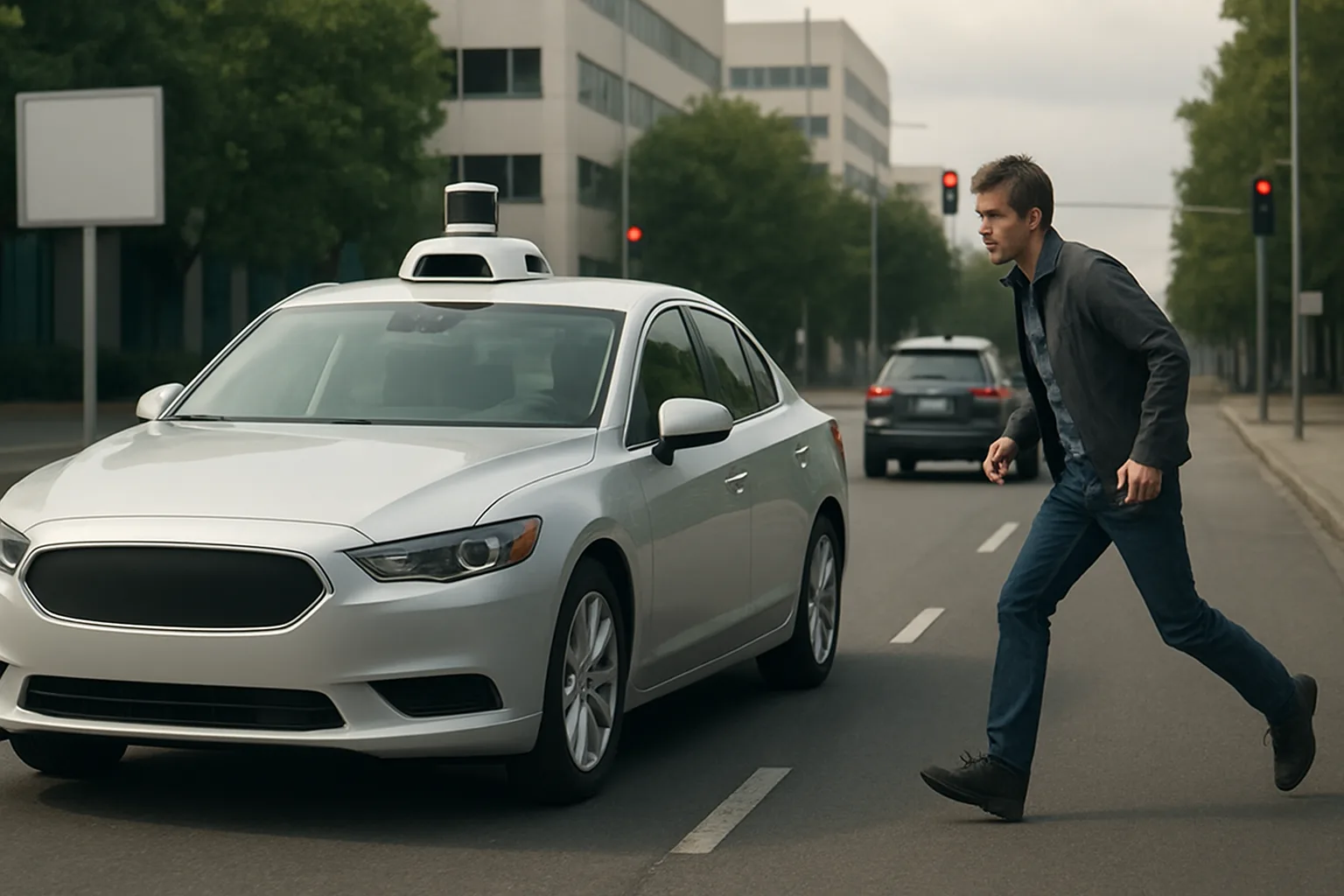
A panel of leading US engineering experts told delegates at the SAE World Congress in Detroit this week that autonomous vehicles are likely to make roads safer, but warned that unexpected events and regulatory hurdles will remain part of the future for self-driving technology.
Richard Wallace of the Center for Automotive Research chaired the discussion, which opened the conference with a focus on the current state and outlook for autonomous vehicles. The panel agreed that driverless cars have the potential to reduce the 1.2 million annual global road deaths, with Steffen Linkenbach of Continental noting that at least 90 percent of fatal accidents involve some degree of human error. The software and algorithms in early prototypes are already showing promise in reducing these mistakes.
Despite the optimism, the experts emphasised that no system can anticipate every scenario. Bryant Walker Smith, a professor of law and engineering at the University of South Carolina, said that manufacturers should be prepared for the first accidents involving driverless vehicles and have emergency plans in place. The panel warned that the deployment of autonomous technology will not be shaped by engineering alone, but also by how lawmakers and regulators respond to incidents and public concerns.
Legal and regulatory frameworks remain uncertain
The panel called for a clear and consistent legal framework in the US to address the inevitable incidents involving autonomous vehicles. Without unified regulations, manufacturers and suppliers face uncertainty over liability and compliance. Pat Bassett, Denso’s vice president for North American research and engineering, outlined that automated driving is developing in five stages, with parts of the industry already achieving the first level of automation. The pace of progress will depend not just on technical advances, but on how quickly governments adapt rules and oversight.