Study Finds Larger, Pricier US Vehicles Offer Greater Real-World Safety
University at Buffalo researchers report that, despite five-star crash ratings, heavier and more expensive vehicles in the US are safer in real-world collisions than smaller models.
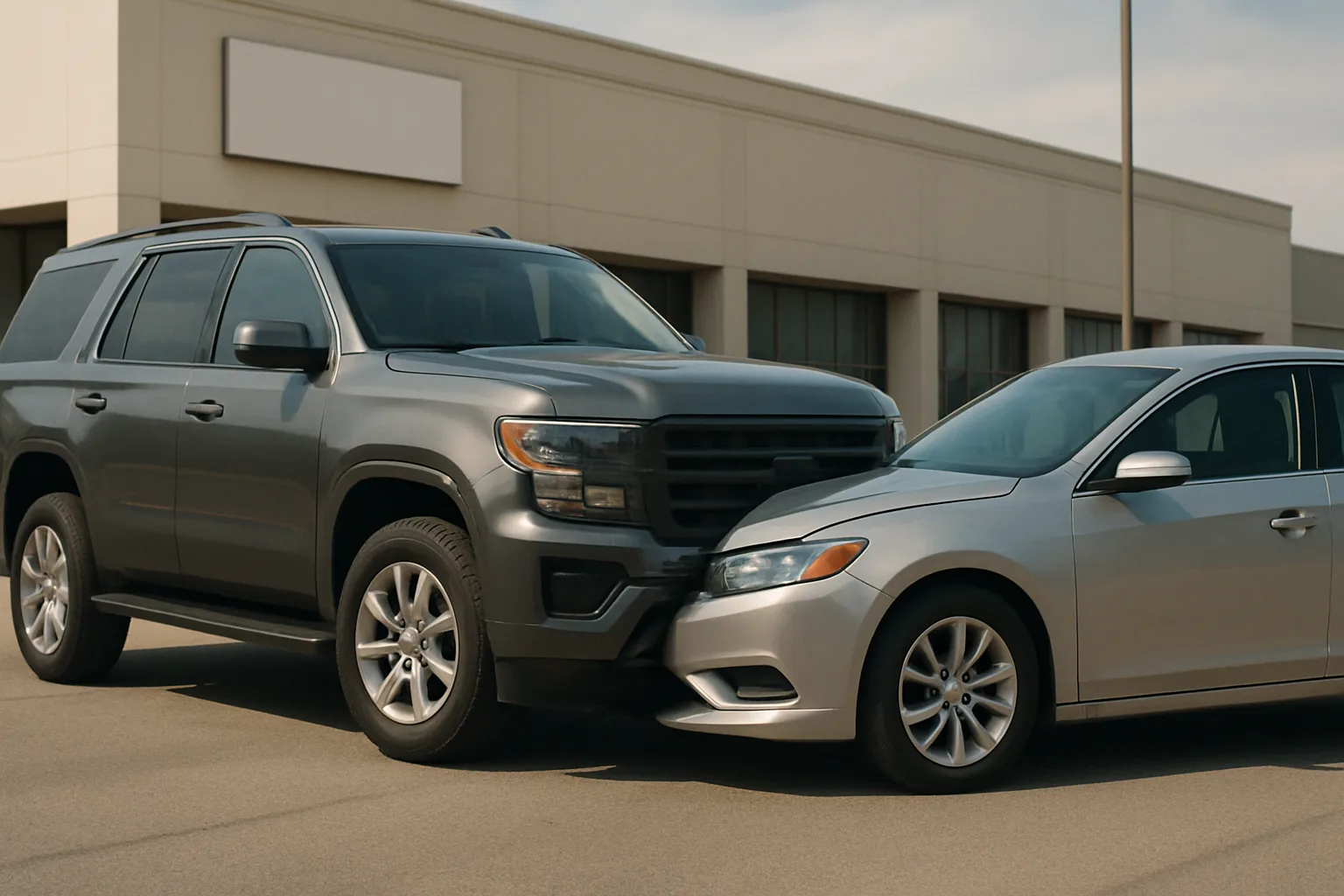
A University at Buffalo study has found that, in the United States, bigger and more expensive vehicles tend to offer better protection in real-world crashes than smaller cars, even when both have five-star safety ratings. The research, presented at the Society for Academic Emergency Medicine's annual meeting, challenges the assumption that top crash test scores level the playing field between different vehicle types.
The researchers found a positive relationship between vehicle weight, price and occupant safety. Their analysis placed large pickups and SUVs, including the Ford F-150, Chevrolet Silverado, Land Rover Range Rover and Cadillac Escalade ESV, at the top for occupant protection. The study also singled out the Mini Countryman, a compact crossover, as a notable performer in its class.
Crash ratings versus real-world outcomes
While small cars can achieve five-star crash test ratings, the study suggests these scores do not fully account for the risks in collisions with much larger vehicles or lorries. The methodology used by the Buffalo team focused on actual injury rates, rather than laboratory crash simulations alone. As a result, well-known models like the Honda Accord, Honda Civic and Toyota Corolla were found to have injury rates about 40 percent higher than the industry average, according to the study's findings.
The study did not use traditional industry or government crash data, instead relying on its own methodology to compare injury outcomes. This approach highlights a gap between controlled crash test scenarios and the variety of collisions experienced on American roads. The findings echo concerns that official ratings, such as those from NHTSA or Euro NCAP, may not capture all aspects of real-world safety, particularly in mixed-vehicle traffic. For more on crash testing and safety ratings, see our coverage of the Mercedes-Benz A-Class five-star Euro NCAP result.
Implications for US buyers and manufacturers
For buyers, the study reinforces the advantage of larger, heavier vehicles in protecting occupants during crashes, even as manufacturers work to improve the safety of smaller models. For automakers, it underlines the challenge of achieving parity between segments in real-world conditions, not just in laboratory tests. The findings may help explain the continued popularity of large SUVs and pickups in the US market, despite advances in small car safety engineering.