Ford Sued in US Over Hybrid Vehicle Patent Claims
Paice LLC has filed a lawsuit against Ford in Baltimore, alleging that several Ford and Lincoln hybrid models infringe on its hybrid technology patents.
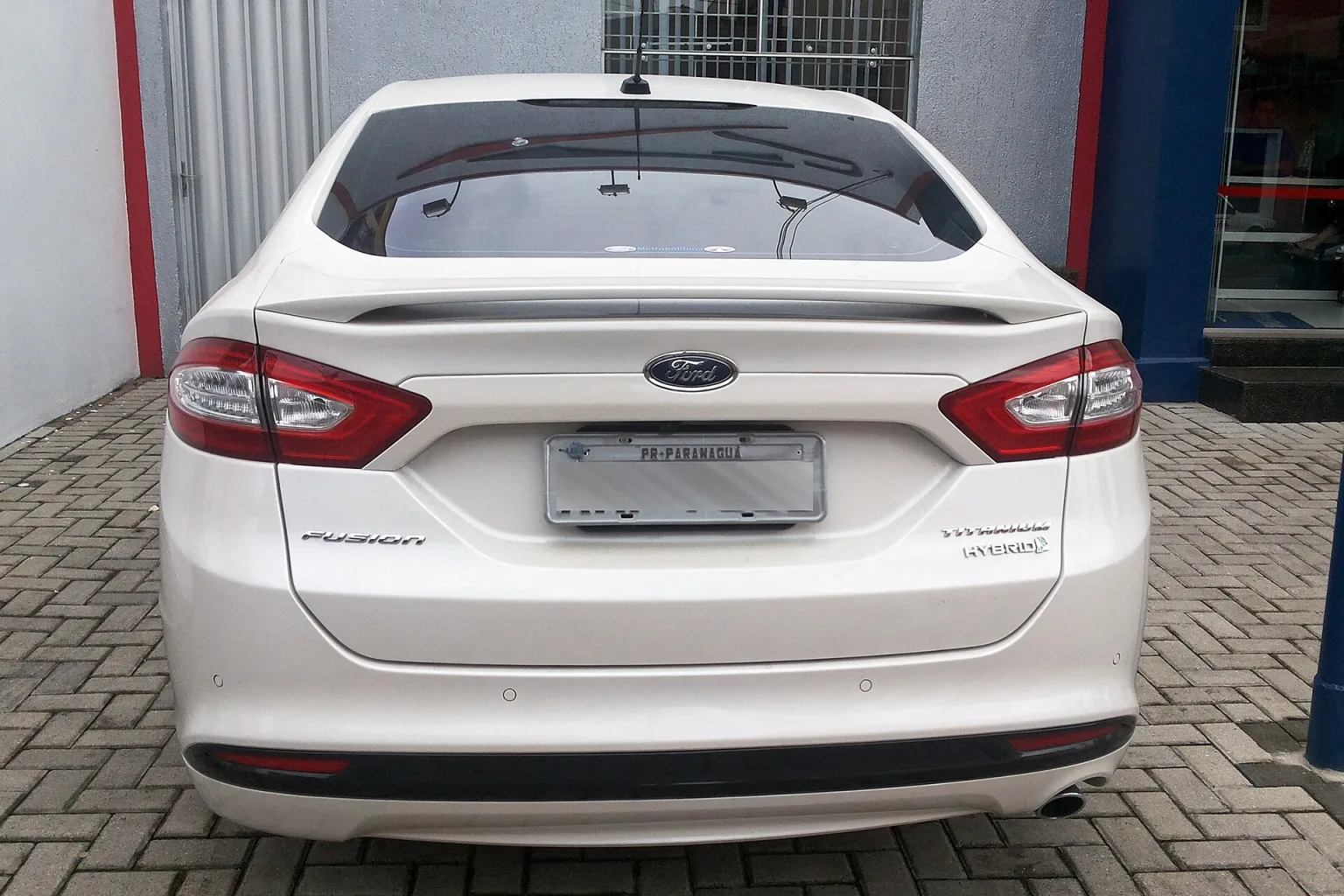
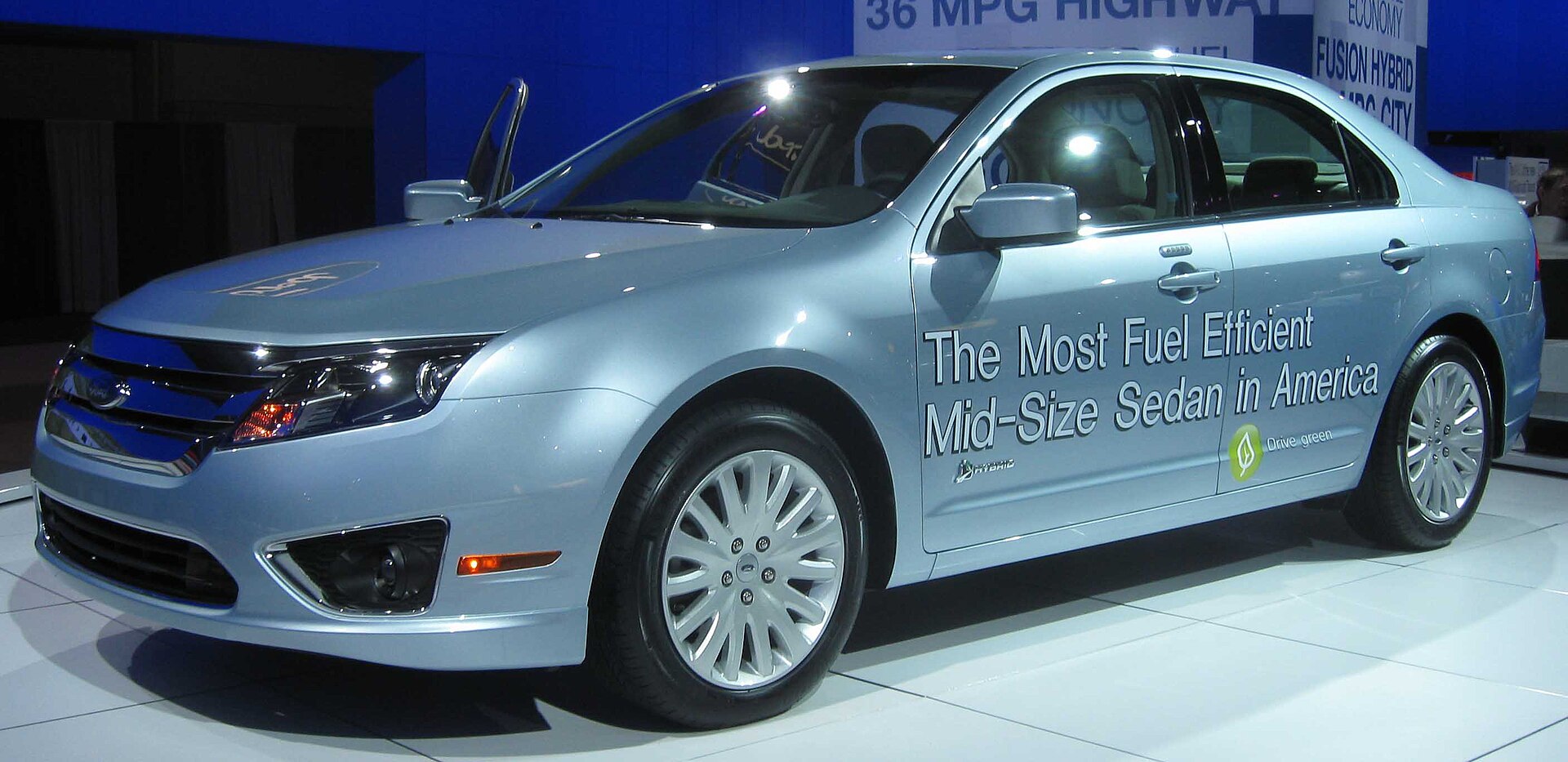
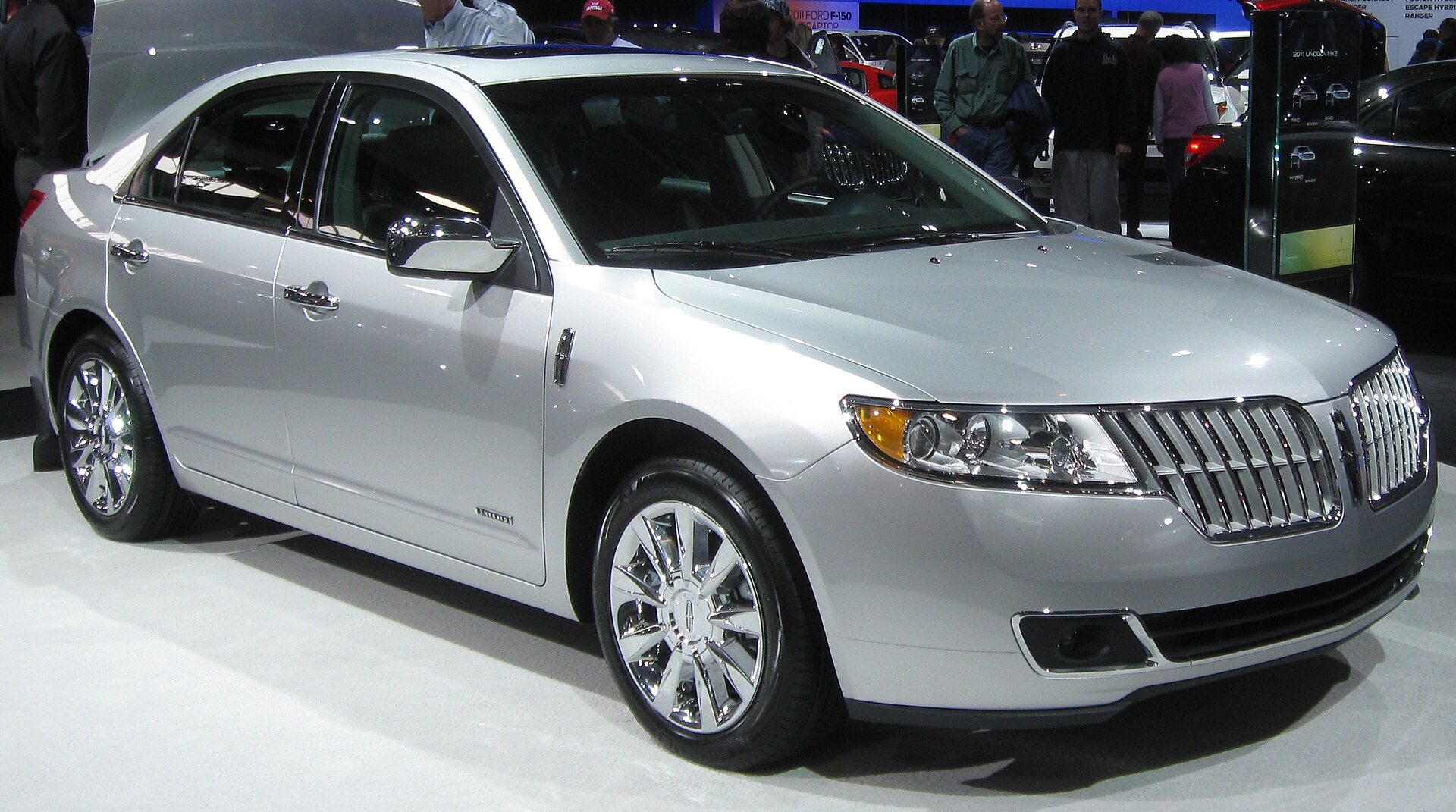
Ford is currently facing a legal challenge in the United States brought by Baltimore-based technology company Paice LLC. The suit alleges that Ford’s hybrid and plug-in hybrid vehicles infringe on patents held by Paice, specifically those covering the integration and control of hybrid powertrains. The case, filed in early 2014 in federal court in Baltimore, focuses on hybrid and plug-in versions of the Ford C-Max, Ford Fusion, and Lincoln MKZ.
Overview of the Lawsuit
Paice claims that Ford developed its hybrid systems using technology originally shared by Paice during a period of close collaboration between 1999 and 2004. The disputed patents are said to cover methods for controlling the interaction between electric motors and internal combustion engines, which are central to hybrid vehicle efficiency and emissions performance.
Background: Paice’s Patent Portfolio and History
Paice LLC was founded by Alex Severinsky, an engineer who emigrated from the Soviet Union. Severinsky developed a high-voltage approach for powering gas-electric hybrid vehicles and sought to commercialise his inventions through the company. Paice’s patents focus on the way hybrid vehicles manage the transition and cooperation between petrol engines and electric motors, aiming for improved efficiency and reduced emissions.
The company has a history of enforcing its intellectual property rights in the automotive sector. Notably, Paice previously brought a successful patent infringement case against Toyota, resulting in a settlement related to the Prius hybrid system. This established Paice as a significant player in hybrid vehicle technology patents and demonstrated its willingness to pursue legal action against major manufacturers.
Details of the Dispute with Ford
The dispute between Paice and Ford stems from earlier negotiations over patent licensing. In 2010, Ford licensed one of Paice’s patents, but the two companies could not agree on terms for additional intellectual property. Both parties agreed to suspend litigation until the beginning of 2014. However, Paice now claims that further discussions were brief and did not result in a comprehensive licensing agreement.
Paice alleges that Ford’s latest hybrid powertrains rely heavily on technology originally developed by Paice and shared with Ford during their collaboration. According to the complaint, Ford engineers worked closely with Paice officials between 1999 and 2004 as Ford sought to develop its own hybrid systems. Paice now argues that Ford incorporated these patented inventions into its production vehicles without proper licensing or compensation.
Ford Models Named in the Lawsuit
- Ford C-Max Hybrid and C-Max Energi plug-in hybrid
- Ford Fusion Hybrid and Fusion Energi plug-in hybrid
- Lincoln MKZ Hybrid
These models are central to Ford’s efforts to compete in the hybrid and plug-in hybrid market in the United States. The outcome of this legal action could have significant implications for Ford’s ability to sell these vehicles domestically, depending on the court’s decision.
Potential Consequences for Ford
Patent disputes in the automotive industry can result in a range of outcomes. If Paice prevails, Ford could be required to pay licensing fees, agree to a financial settlement, or face restrictions on the sale of the affected hybrid and plug-in hybrid models in the United States. At present, there is no immediate impact on Ford’s production or sales, but the case highlights the risks automakers face when developing advanced technologies in a competitive market. Paice’s previous legal victory over Toyota resulted in a settlement, suggesting that similar outcomes are possible in this case.
The dispute also highlights the importance of intellectual property agreements and thorough negotiations when companies collaborate on new technologies. For Ford, the case could lead to additional costs or operational changes if the court finds in favour of Paice.
Broader Implications for Hybrid Technology
The lawsuit between Paice and Ford is part of a broader pattern of patent litigation in the hybrid and electric vehicle sector. As manufacturers race to develop more efficient and environmentally friendly vehicles, disputes over proprietary technology have become increasingly common. Patent holders like Paice play a significant role in shaping the development and commercialisation of hybrid systems by enforcing their intellectual property rights.
For consumers, the outcome of such cases can affect the availability and pricing of hybrid vehicles. For automakers, these disputes can influence research and development strategies as well as partnerships with technology firms. The ongoing legal battles also serve as a reminder of the complexity involved in bringing advanced automotive technologies to market.
Summary
Ford’s legal dispute with Paice LLC over hybrid vehicle patents is a significant development in the ongoing evolution of hybrid technology and intellectual property rights in the automotive industry. The case involves key models in Ford’s hybrid line-up and could have financial and operational implications depending on the outcome. It also reflects the increasing importance of patent enforcement in the competitive landscape of hybrid and electric vehicles.