US fuel prices hit lowest quarterly average since 2004
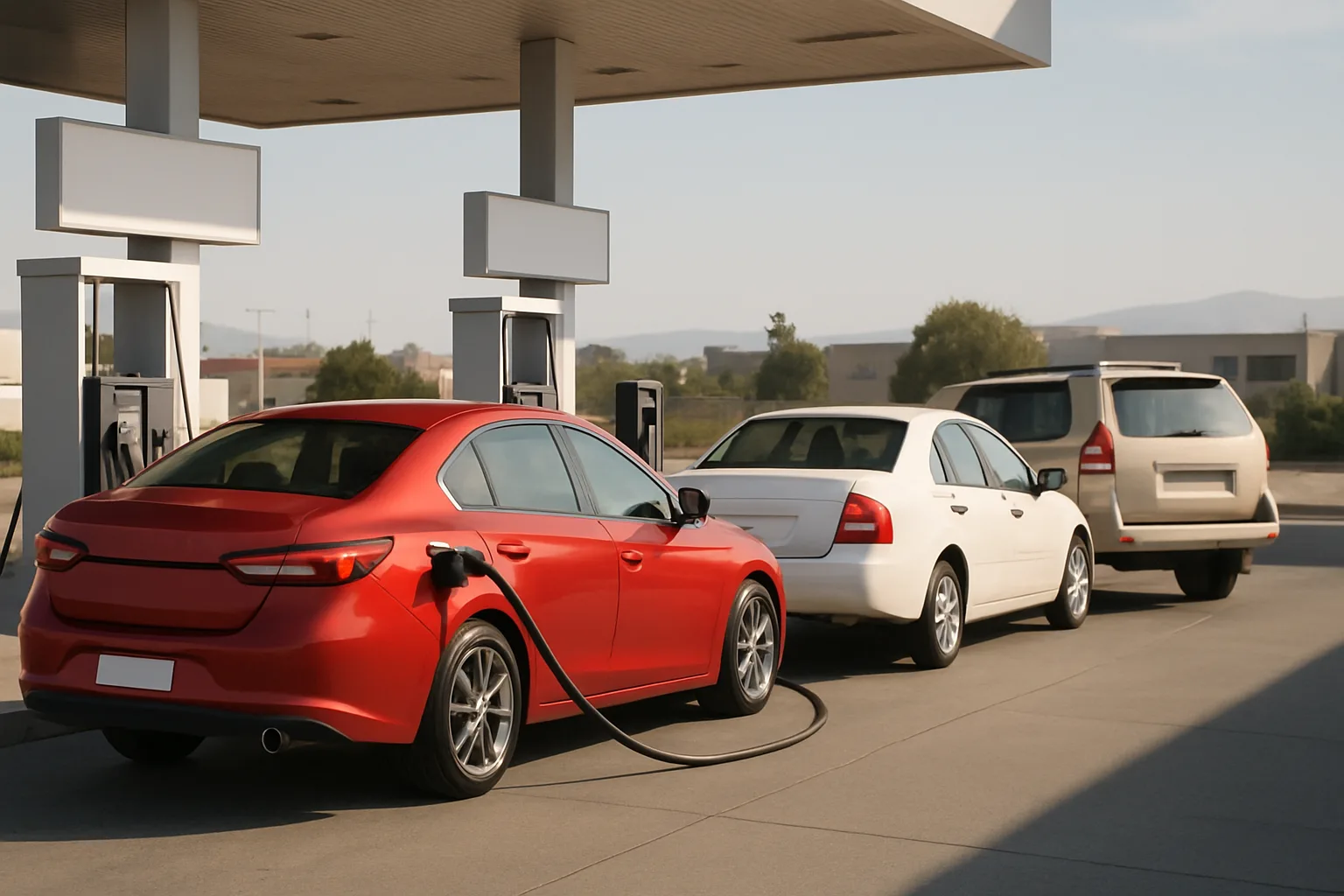
American drivers paid an average of $1.86 per gallon for petrol in the first quarter of 2016, saving nearly $10 billion compared to the same period last year.
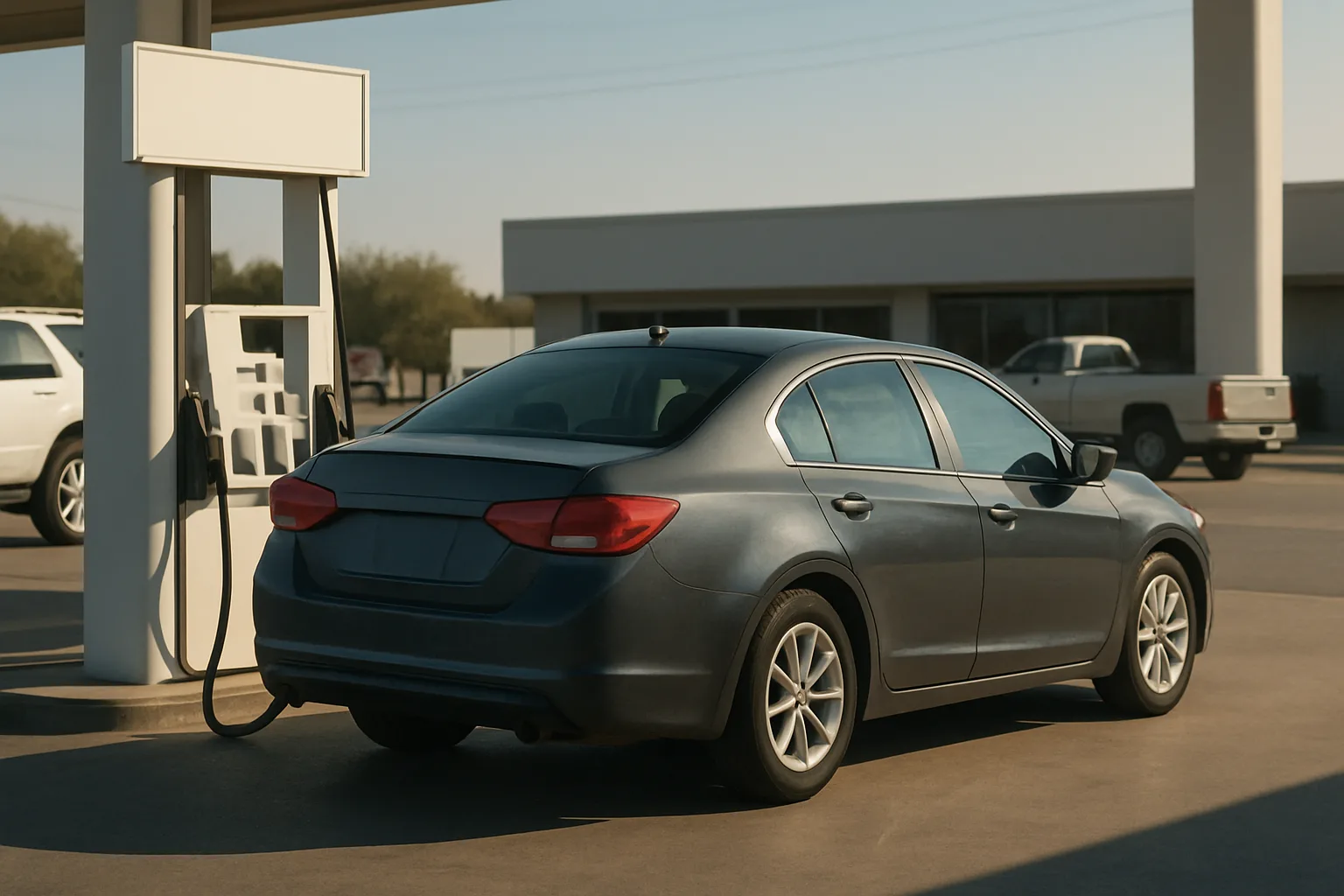
US drivers paid the lowest quarterly average for petrol in 12 years during the first three months of 2016, according to data from the American Automobile Association. The national average price stood at $1.86 per gallon between January and March, a level not seen since the first quarter of 2004. Compared with the same period in 2015, Americans spent nearly $10 billion less on fuel, which works out to a saving of about $45 for each driver.
US petrol prices hit 12-year low in early 2016
Factors behind the price drop
The drop in prices was driven by continued high global oil supply and relatively weak demand, factors that kept pump prices low across the country. The combination of increased oil production and subdued consumption created an environment where fuel costs remained consistently affordable for US motorists. These trends were part of a broader global context, with oil-producing countries maintaining output levels that exceeded global demand, leading to a surplus and downward pressure on prices. This situation benefited consumers at the pump, as competition among suppliers contributed to the lower prices.
Savings for drivers and national impact
US petrol averaged $1.86 per gallon in the first quarter of 2016, marking the lowest quarterly average since 2004. The significant reduction in fuel prices translated into nearly $10 billion in savings for American drivers compared to the same period in 2015. On an individual level, the average driver saved around $45 during the quarter. These savings were part of a longer trend: in 2015, drivers paid an average of $2.40 per gallon for regular petrol, down from $3.34 in 2014 and $3.49 in 2013. The resulting annual saving was estimated at $550 per driver, with a total national saving of $115 billion.
Lower fuel costs had a noticeable impact on consumer behaviour. According to the Federal Highway Administration, US motorists travelled a record 3.148 trillion miles in 2015. This increase in travel distance was likely influenced by the sustained period of affordable petrol, making longer journeys more accessible to a wider range of drivers. The extra disposable income from lower fuel bills also had a positive effect on household budgets and potentially contributed to increased spending in other sectors of the economy.
Recent price movement and outlook
While the first quarter of 2016 delivered the lowest prices in over a decade, petrol costs began to rise again in March. Drivers were paying up to $9 more for a full tank compared to mid-February, reflecting the market's sensitivity to changes in oil supply, demand, and refinery output. The early 2016 figures, however, marked a clear low point for US fuel prices. The $1.86 per gallon average in Q1 2016 was the lowest US petrol price since early 2004, and although prices have since increased, the period stands out as a significant milestone for American motorists.
Looking ahead, petrol prices in the US remain subject to global oil market dynamics, including shifts in supply, geopolitical developments, and seasonal demand fluctuations. While the period of exceptionally low prices may not last indefinitely, the savings experienced by drivers in early 2016 highlight the impact of oil market trends on everyday expenses and travel patterns.