Honda and Nissan clash over US sales tactics as slowdown fears grow
Honda and Nissan have traded public criticism over fleet sales and incentives in the US, while both warn of challenges ahead if the market loses momentum.
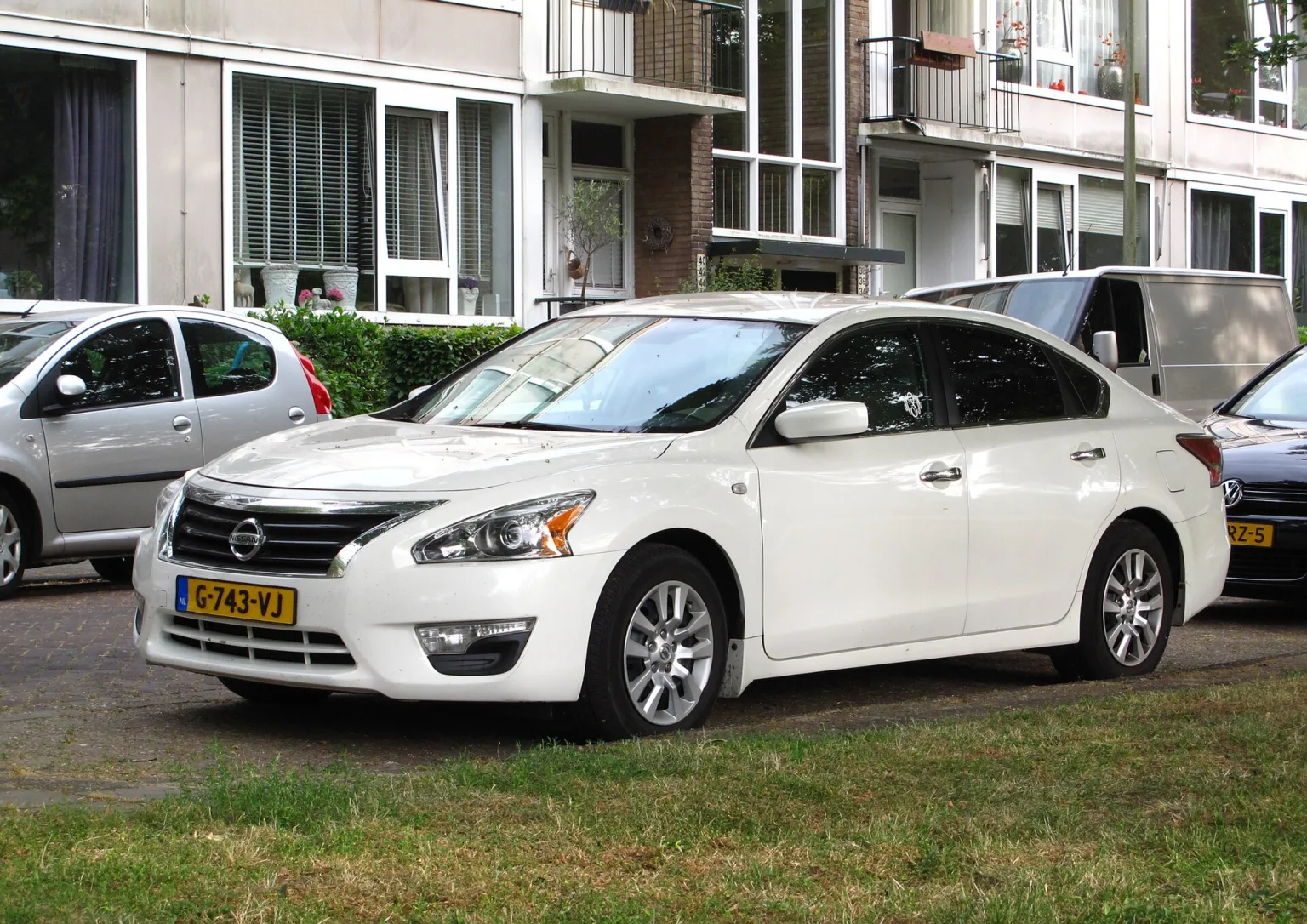
Honda and Nissan, two of Japan’s largest carmakers, publicly criticised each other’s US sales strategies in April 2015, as both companies signalled concerns about a possible slowdown after years of strong demand. The exchange came during the New York International Auto Show, one of the industry’s key annual events.
Fleet sales and incentives at the centre of dispute
Honda of America’s Executive Vice President, John Mendel, took aim at Nissan’s approach, alleging that the rival was relying on high incentives and pushing a large proportion of sales into the fleet segment. Mendel claimed that 28 percent of Nissan’s US sales were fleet deliveries, a channel typically associated with lower margins and higher risk for residual values. He warned that as the US market plateaued, manufacturers risked oversupplying the market by maintaining high production volumes.
Nissan North America’s chief, Jose Munoz, responded that Nissan was in fact reducing its fleet sales, stating a 17 percent cut in 2015. Munoz emphasised that Nissan’s fleet focus was shifting towards the more profitable commercial segment, rather than the traditional rental market that often delivers lower returns. The public dispute highlighted the pressure both companies face to defend market share as overall growth slows.
Market signals: prices up, incentives diverge
Industry analysts and data providers noted signs of strain beneath the surface. According to TrueCar, the average transaction price for new vehicles in the US rose by 2.1 percent year-on-year in March 2015, reaching $32,201. Average incentives across the industry edged down by $34 to $2,691, but Honda and Nissan were among the exceptions, with both companies reportedly increasing their offers to sustain sales volumes.
Despite upbeat commentary from some executives, the mood among analysts was cautious. The strong pace of US sales over the previous two years had started to level off, raising concerns that carmakers could resort to more aggressive incentives or higher fleet sales to protect their positions. Both Honda and Nissan’s warnings reflected broader jitters about the risk of a market correction and the potential for profit margins to come under pressure.