NHTSA takes tougher stance on US vehicle recalls under new chief
The US safety regulator has moved aggressively in 2015, compelling Takata to recall 34 million airbags and scrutinising Fiat Chrysler’s recall practices.
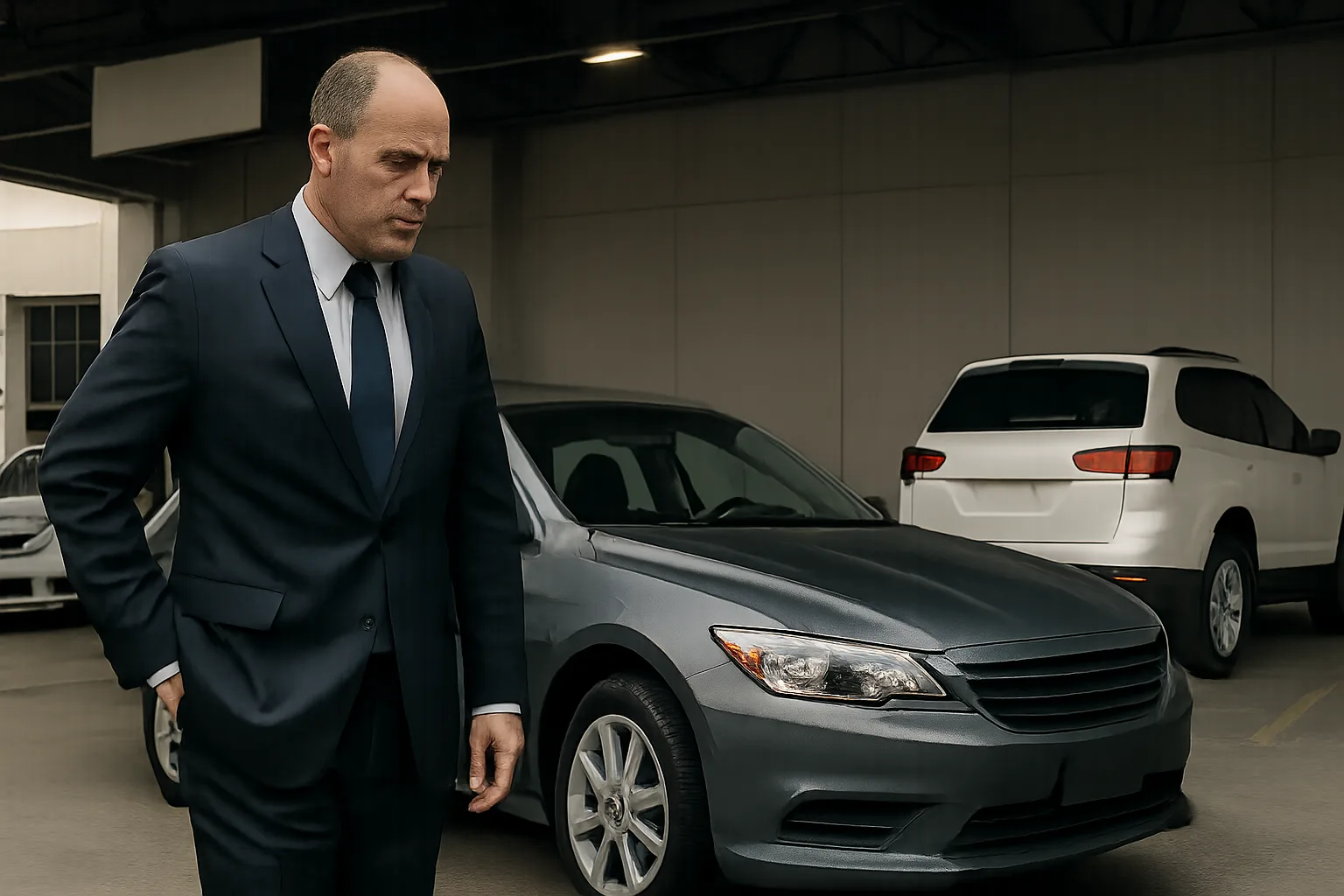
The US National Highway Traffic Safety Administration (NHTSA) moved decisively in 2015, using its full legal powers to force major recalls and increase scrutiny on automakers. The shift followed the appointment of Mark Rosekind as administrator in January, after a year of record recalls and criticism over the agency’s previous handling of safety crises.
NHTSA’s most high-profile action came in May 2015, when it compelled Japanese supplier Takata and 11 carmakers to recall 34 million vehicles over defective airbag inflators. This became the largest single-defect recall in US automotive history, affecting a wide range of models and manufacturers. Takata’s inflators were linked to multiple injuries and fatalities, and the agency’s intervention ended months of dispute about the scale and urgency of the problem.
Beyond Takata, NHTSA turned its attention to Fiat Chrysler Automobiles (FCA), calling for a public hearing in July to examine the company’s recall processes. The hearing was set to cover more than ten million vehicles and could expose FCA to penalties of up to $700 million, depending on findings. The move signalled a willingness to use public hearings and financial penalties to drive compliance, a marked change from the previous, more cautious approach.
The agency’s new posture followed a year when both Congress and the public criticised NHTSA for failing to act quickly enough on the GM ignition switch and Takata airbag scandals. Under Rosekind, the regulator sought to restore credibility by taking a more aggressive stance, pushing manufacturers and suppliers to act rather than wait for voluntary compliance.
Implications for automakers and suppliers
Automakers faced increased pressure to identify and report safety defects promptly, with the threat of large-scale recalls and financial penalties if they failed to comply. Suppliers such as Takata became subject to direct regulatory action, not just reliance on manufacturer-initiated recalls. The scale of the Takata campaign also forced manufacturers to coordinate logistics for millions of repairs, straining dealer networks and parts supply chains.
The shift in NHTSA’s approach in 2015 reshaped how safety issues were handled in the US market. For buyers and owners, it meant a greater likelihood of prompt recall action and, in theory, safer vehicles on the road. For manufacturers and suppliers, the message was clear: delayed action or incomplete recalls would attract tougher scrutiny and potentially severe penalties.
For more on NHTSA safety actions, see Tesla Model S earns five-star rating in NHTSA crash tests.