Tesla shareholders reject proposal to go fully vegan by 2019
A Texas couple called on Tesla to stop using animal-derived materials in its interiors, but their proposals were voted down at the 2015 annual meeting.
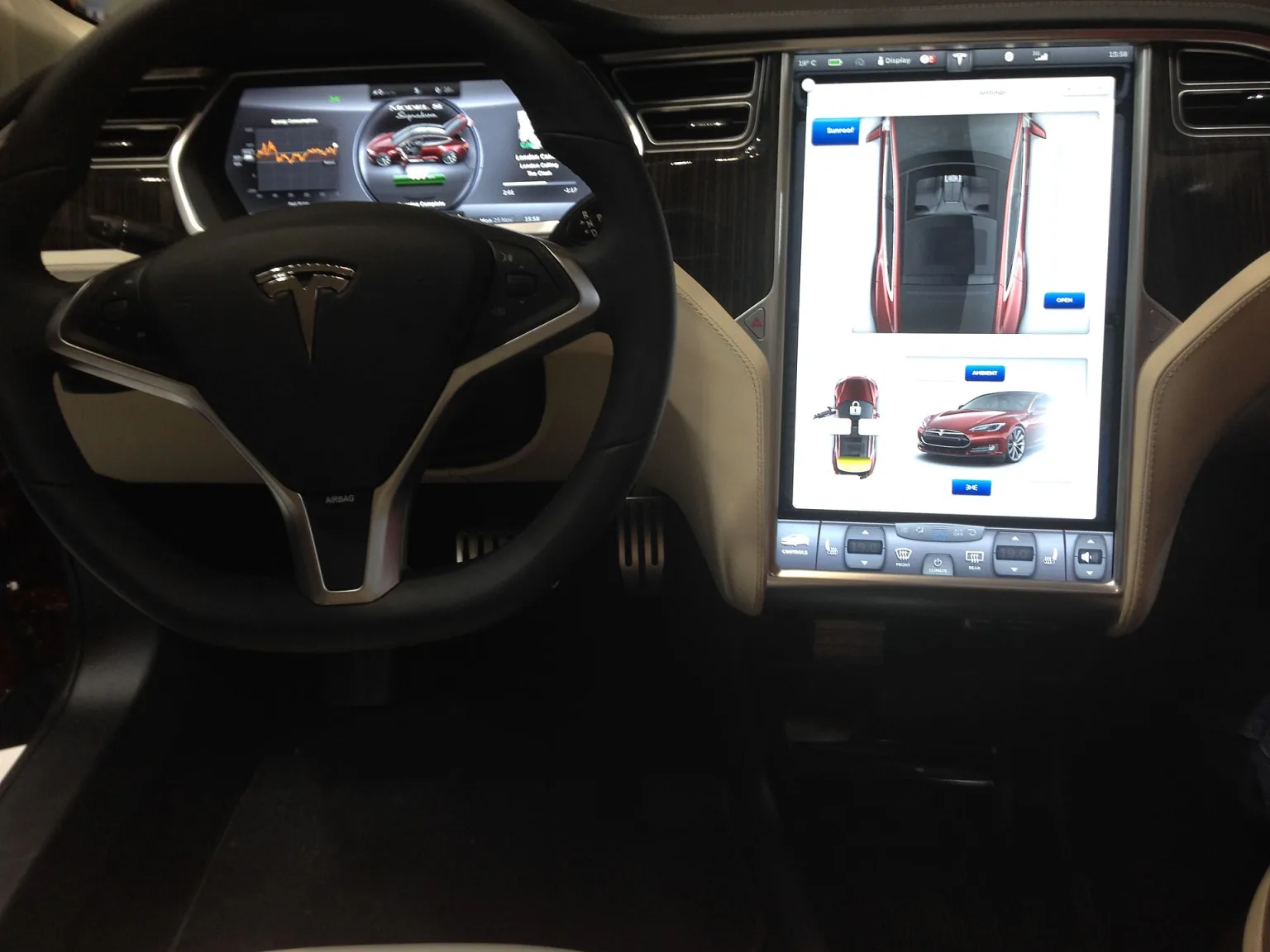
At Tesla Motors’ annual shareholder meeting in June 2015, Mark and Elizabeth Peters, a shareholder couple from Hurst, Texas, raised the issue of animal-derived materials in the company’s vehicles. They formally proposed that Tesla phase out the use of animal-sourced components, such as leather seats, and commit to becoming the world’s first “cruelty-free” premium car brand. Their proposals reflected a growing interest among some consumers and investors in more ethical and sustainable manufacturing practices within the automotive industry.
Shareholder Proposal for Vegan Interiors at Tesla
Details of the Proposals
- The first proposal called for Tesla to reduce and then fully eliminate animal-based materials from its vehicle interiors by 2019.
- The second proposal urged Tesla to adopt a fully “cruelty-free” brand identity, positioning the company as a leader in ethical vehicle manufacturing.
Both proposals aimed to encourage Tesla to set a new standard in the premium car segment by moving away from traditional animal-sourced materials.
Shareholder Vote and Board Response
Tesla’s board recommended that shareholders vote against both proposals. The board stated that focusing on alternatives to animal-based materials could “impede or delay” the company’s more urgent goals, such as increasing production capacity and advancing technology. At the meeting, shareholders ultimately rejected both proposals, as confirmed in a subsequent company filing. Chief executive Elon Musk was asked by a representative from People for the Ethical Treatment of Animals (PETA) whether Tesla would consider further support for vegan alternatives. Musk replied that the company would “look into it,” but no firm commitment was made to expand vegan options or to change company policy.
Current Vegan Options at Tesla
| Option | Animal-Free | Details |
|---|---|---|
| Multi-Pattern Black Seats | Yes | Synthetic leather trim, available on request |
| Vegan Steering Wheel | Yes | Custom-order only |
| Standard Leather Seats and Wheel | No | Animal-sourced, standard unless otherwise specified |
A company spokesperson confirmed that these animal-free options are available for customers who prioritise them. However, unless specifically requested, most Tesla vehicles continue to use leather for seats and steering wheels.
Broader Context and Industry Trends
The proposals from the Peters couple highlight a broader trend within the automotive sector, where some manufacturers are exploring alternatives to animal-based materials in response to consumer demand for more ethical and sustainable products. While Tesla has taken steps to accommodate vegan customers, the company’s leadership has prioritised other objectives, such as scaling up production and developing new technologies. The outcome of the shareholder vote reflects the current balance of priorities within Tesla and among its investors.
As of 2015, Tesla remains one of the few premium car manufacturers to offer a fully vegan interior option, but a complete shift away from animal-sourced materials has not been adopted as company policy. The discussion at the annual meeting suggests that, while there is support for ethical alternatives among some shareholders and customers, broader adoption may depend on future changes in market demand and company priorities.