Tesla’s US Twitter Account Compromised in Weekend Hack
Tesla’s official US Twitter and media-relations email accounts were hacked on Saturday, with unauthorised messages sent to over half a million followers.
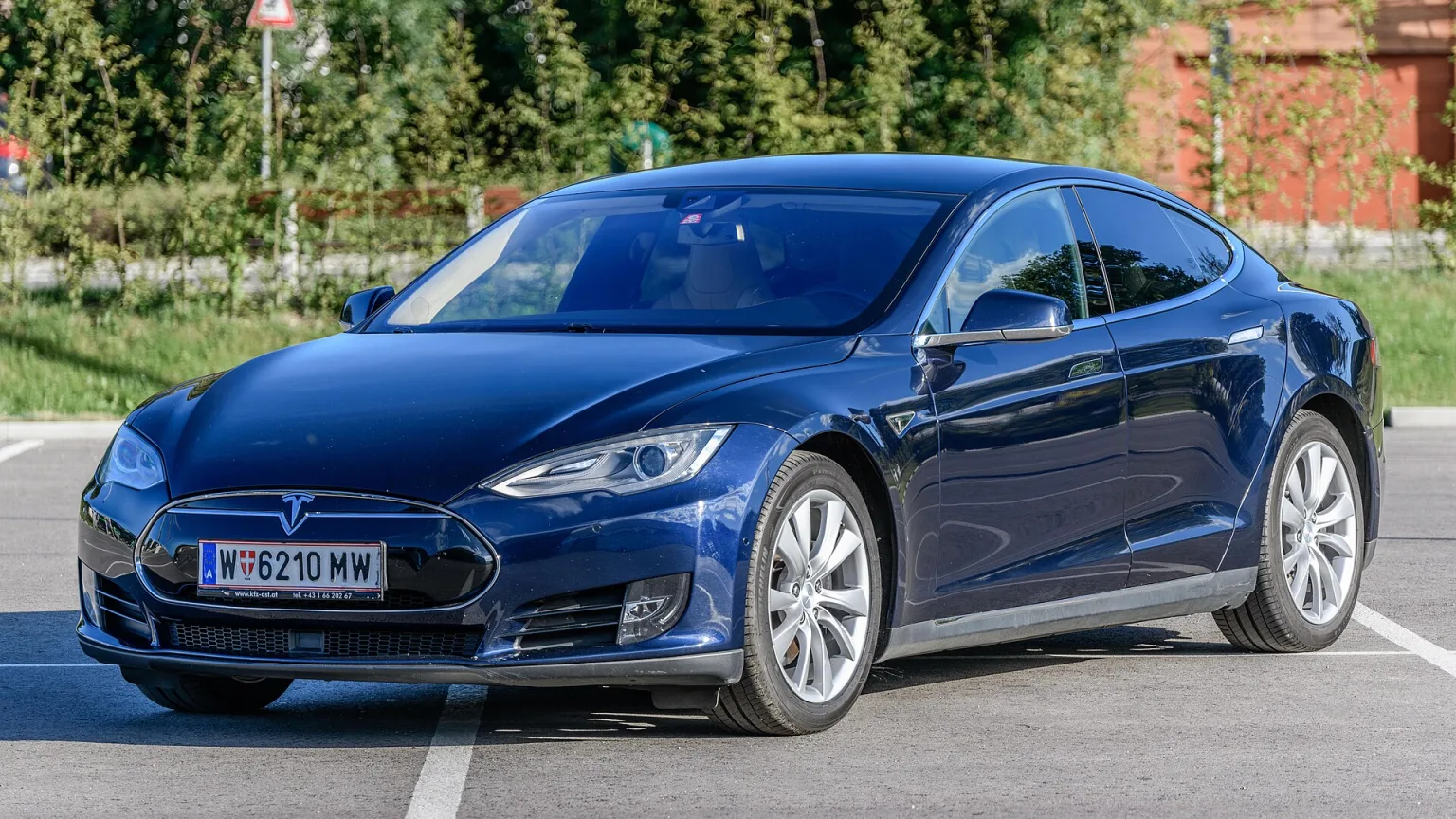
Tesla’s official US Twitter account was hacked on Saturday, allowing attackers to post unauthorised messages to the company’s more than 560,000 followers. The company’s media-relations email account was also compromised, exposing Tesla to a growing wave of online attacks targeting high-profile firms.
Tesla’s US Twitter Account Hacked
How the Attack Unfolded
Hackers gained access to Tesla’s US Twitter and press email accounts on Saturday. Messages were posted directly to Tesla’s 564,000 Twitter followers. A known hacking persona was linked to the attack through email replies. The attackers took control of Tesla’s Twitter feed and used it to post their own messages. In at least one instance, a hacker responded to a press enquiry using the compromised media-relations email account. The identity used in the email was linked to previous attacks on other companies, suggesting a pattern among groups targeting high-profile corporate accounts.
Such breaches typically exploit weak password practices or the absence of two-factor authentication, which requires an additional code sent to a verified device. Once inside, attackers often publicise their own Twitter handles or attempt to embarrass the company, sometimes leaking confidential information.
Security Concerns for Automakers
Tesla’s reliance on social media for customer engagement and corporate announcements made the attack especially visible. The incident comes as carmakers face growing scrutiny over cybersecurity, not just for their communications channels but also for the software in their vehicles. For Tesla, the timing coincided with its rapid expansion and high public profile. At the time, the company was building its Nevada battery gigafactory and preparing to launch the Model X alongside the Model S.
This incident shows the importance of robust digital security as automakers become increasingly connected. The risks extend beyond public relations, affecting consumer trust and potentially exposing sensitive information. For further context on consumer attitudes to car hacking, see Most Consumers Expect Car Hacking to Become Routine Threat.
Tesla’s Expanding Profile at the Time of the Hack
Tesla Motors was in a period of rapid growth, expanding its global operations and preparing to introduce new models. The company had only one model on sale at the time, the Model S luxury sedan, but was close to launching the Model X crossover and had plans for the more affordable Model 3. Construction was underway on the Nevada gigafactory, intended to reduce battery costs for future vehicles. These developments increased Tesla’s visibility and made its communications channels attractive targets for cyberattacks.