US Used Car Prices Drop as New Car Sales Climb in 2014
A surge in US new car sales in 2014 has led to lower used car prices, giving buyers more options as inventories return to normal after years of tight supply.
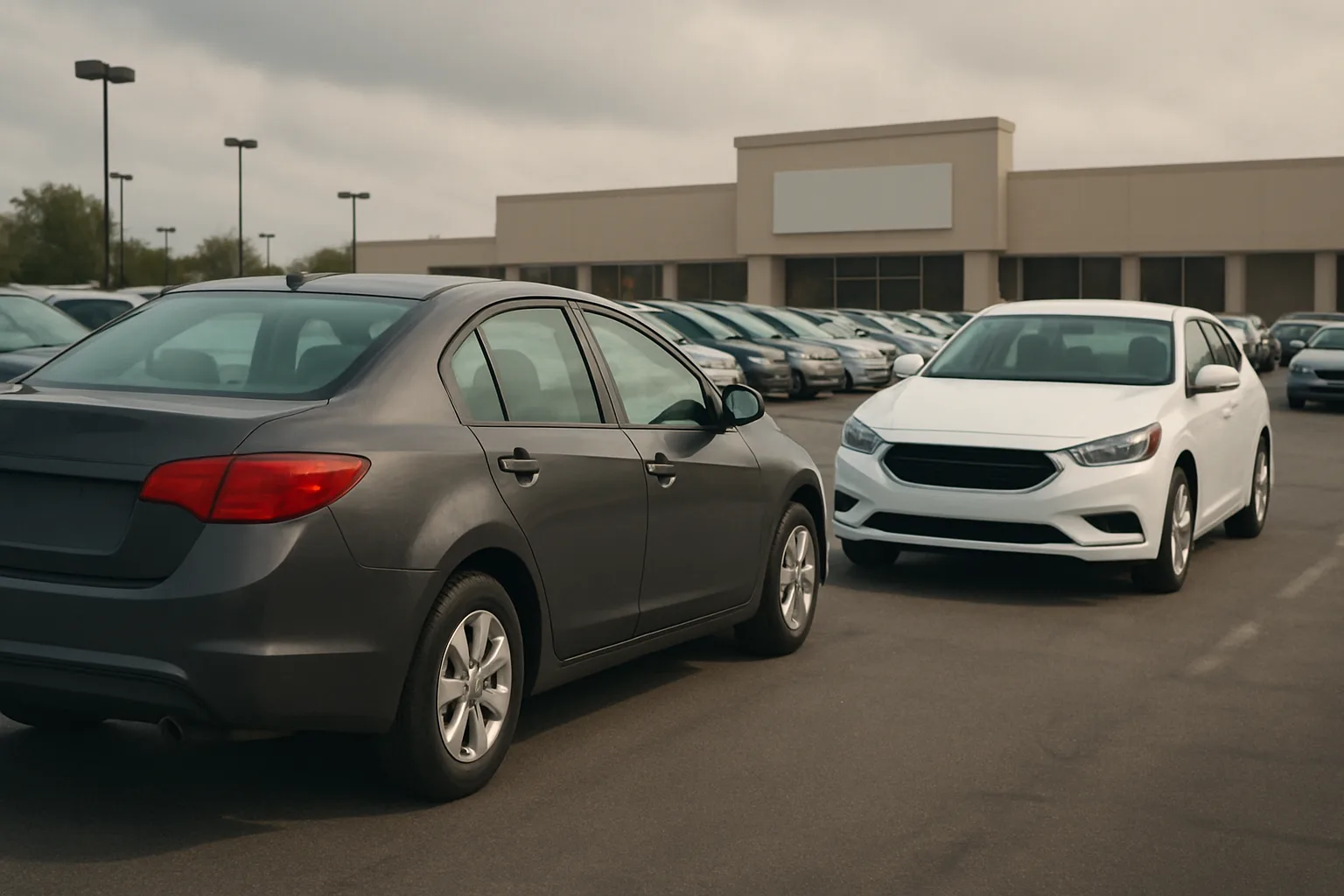
US used car prices softened in early 2015, following a strong year for new car sales in 2014. According to industry data, new vehicle sales climbed 5.9% to reach around 16.5 million units in 2014, the highest level since before the financial crisis. This influx of new cars has increased the supply of late-model used vehicles, putting downward pressure on prices.
Dealerships have responded to the surge in new car sales by preparing for a larger volume of trade-ins. With more buyers opting for new vehicles, dealers are seeing an influx of late-model used cars, which helps replenish inventories that had been unusually low in recent years. TrueCar projected that the US supply of used vehicles five years old or newer would increase by 10% in 2015, returning to more typical levels after a period of scarcity.
Why used car prices are falling
The main driver behind the drop in used car prices is the increased availability of newer used vehicles, thanks to higher new car sales and more trade-ins. In previous years, the price gap between new and used cars had narrowed, making new cars more attractive to buyers and further boosting new car sales. Now, with inventories improving, used car prices have stabilised or declined, particularly for vehicles coming off lease or trade-in.
Other factors also influence used car pricing. Seasonal trends, tax refund timing and lower petrol prices all play a role in shaping demand and transaction prices. For buyers in the first quarter of 2015, this meant used cars were available at similar or lower prices compared with the same period in 2014, offering more choice and better value.
What it means for buyers and dealers
For buyers, the return to normal used car inventories means less competition for late-model vehicles and a wider selection. Lower prices on used cars make them a more attractive alternative to new vehicles, especially for cost-conscious shoppers. Dealers, meanwhile, benefit from increased trade-in activity, which helps to maintain a steady flow of used stock and supports overall sales volumes.
The market shift also reflects broader economic conditions. With US unemployment at its lowest since 2008 and consumer confidence improving, both new and used car sectors have found willing buyers. As inventories and pricing stabilise, the US used car market appears to be returning to a more predictable cycle after years of disruption.
- US new car sales reached pre-crisis highs in 2014.
- Used car inventories rebuilt after years of shortage.
- Buyers in early 2015 found lower or stable used car prices.