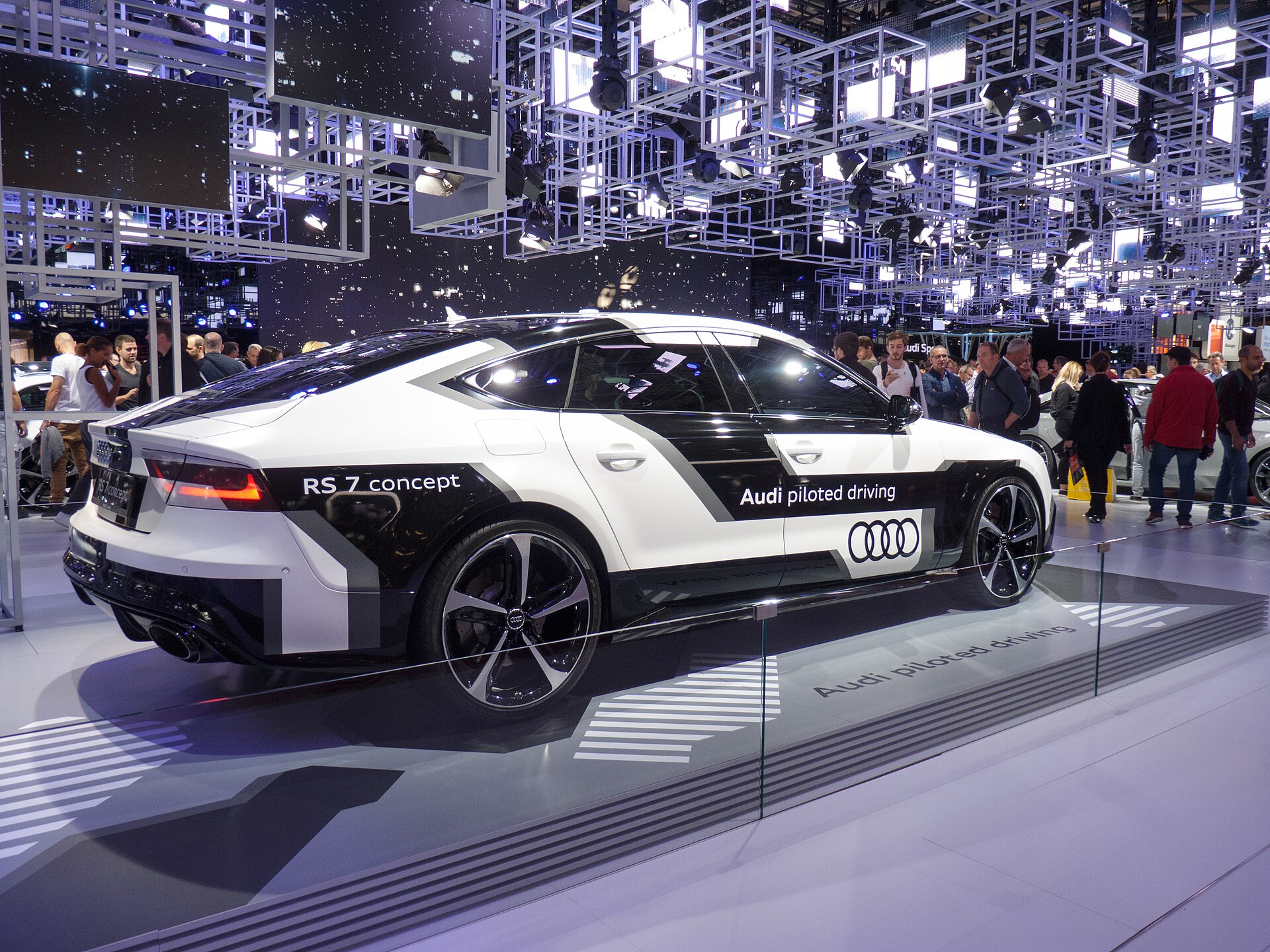
Audi RS7 Piloted Driving Concept puts Auto Express in the passenger seat
Auto Express experienced the Audi RS7 Piloted Driving Concept as it demonstrated autonomous high-speed capability, including a driverless lap at Hockenheim completed in just over two minutes.
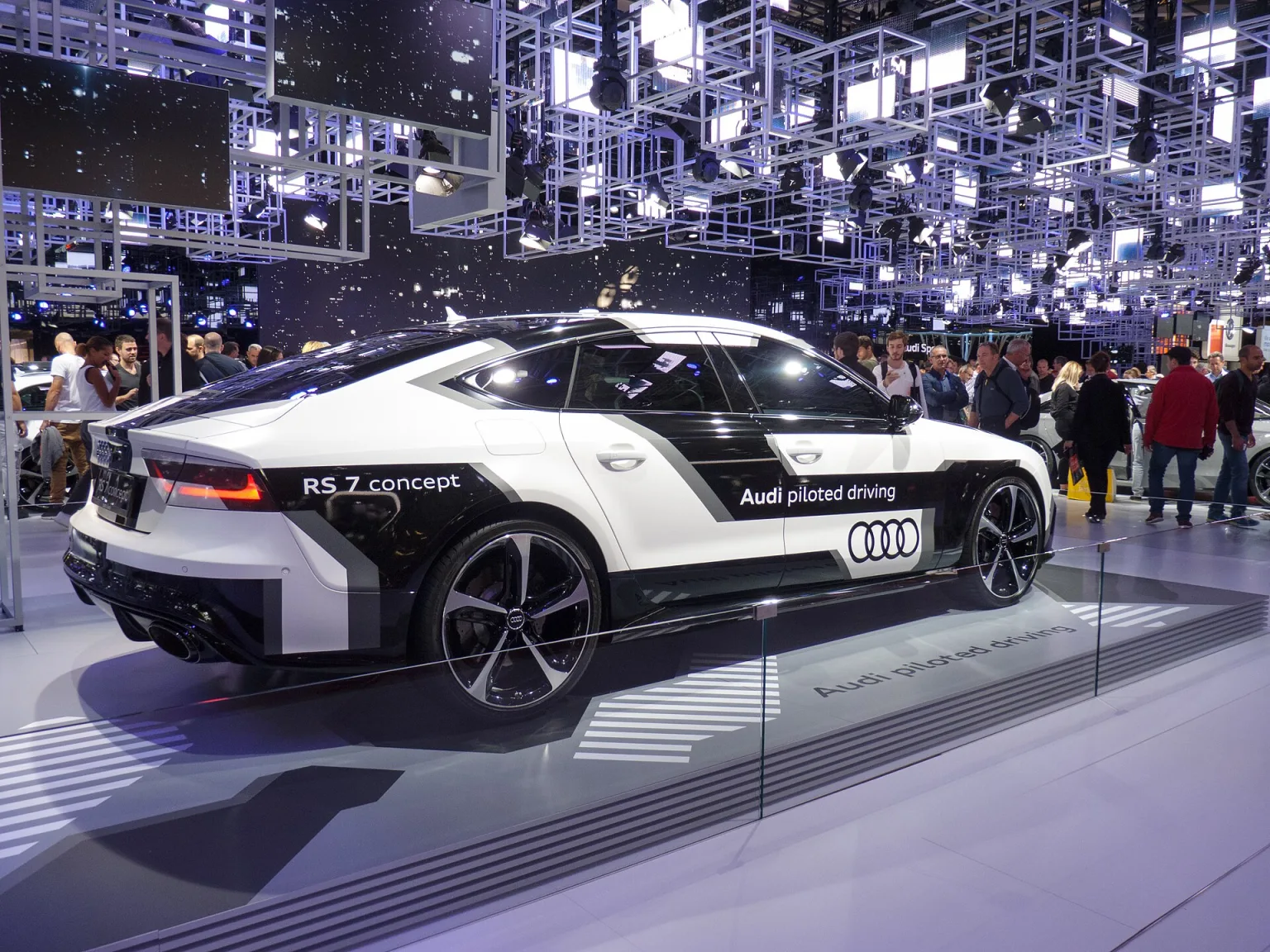
Audi gave Auto Express a demonstration of its RS7 Piloted Driving Concept, placing the magazine's team in the passenger seat while the autonomous super saloon took control. The event followed Audi's earlier showcase at Hockenheim, where the RS7 completed a flying lap without a driver, using only its onboard systems and a specially corrected GPS signal.
The RS7 Piloted Driving Concept is a one-off based on Audi's high-performance RS7 Sportback. Unlike a standard RS7, the concept uses a combination of sensors, cameras and GPS data to navigate circuits at high speed without human input. Audi's system relies on highly accurate GPS signals corrected in real time via WiFi, allowing the car to position itself with centimetre-level precision even at racing speeds.
During its public demonstration at Hockenheim, the RS7 achieved a lap time of just over two minutes. Audi's engineers had spent ten years developing the underlying technology, refining the algorithms and sensor fusion needed to control a car at the limit. The Hockenheim run was not the car's first outing, but it was the most public demonstration of its capability at the time.
High-speed autonomy in a performance car
Auto Express's ride in the RS7 Piloted Driving Concept was not a typical test drive. Instead of taking the wheel, the journalists observed as the car handled acceleration, braking and cornering without any driver input. The experience highlighted both the technical sophistication of Audi's piloted driving system and the potential for autonomous technology in high-performance applications.
Audi's approach with the RS7 Piloted Driving Concept was to push autonomous systems beyond urban speeds and traffic scenarios, showing that driverless technology can handle the dynamic environment of a race circuit. The car's ability to lap Hockenheim at speed, with no safety driver on board, set it apart from earlier autonomous prototypes that focused on low-speed or controlled environments.
A decade in development
Audi's work on autonomous vehicles began long before the RS7 concept was unveiled. The company spent a decade refining the hardware and software, culminating in a system capable of managing the complex demands of high-speed track driving. The Hockenheim demonstration was a milestone in Audi's autonomous driving programme, underlining the progress made since the project's inception.