German Roundabout Video Divides Opinion on Road Design
A video from Germany showing a roundabout without a central island has prompted debate on cost-cutting in urban road layouts and the importance of clear traffic guidance.
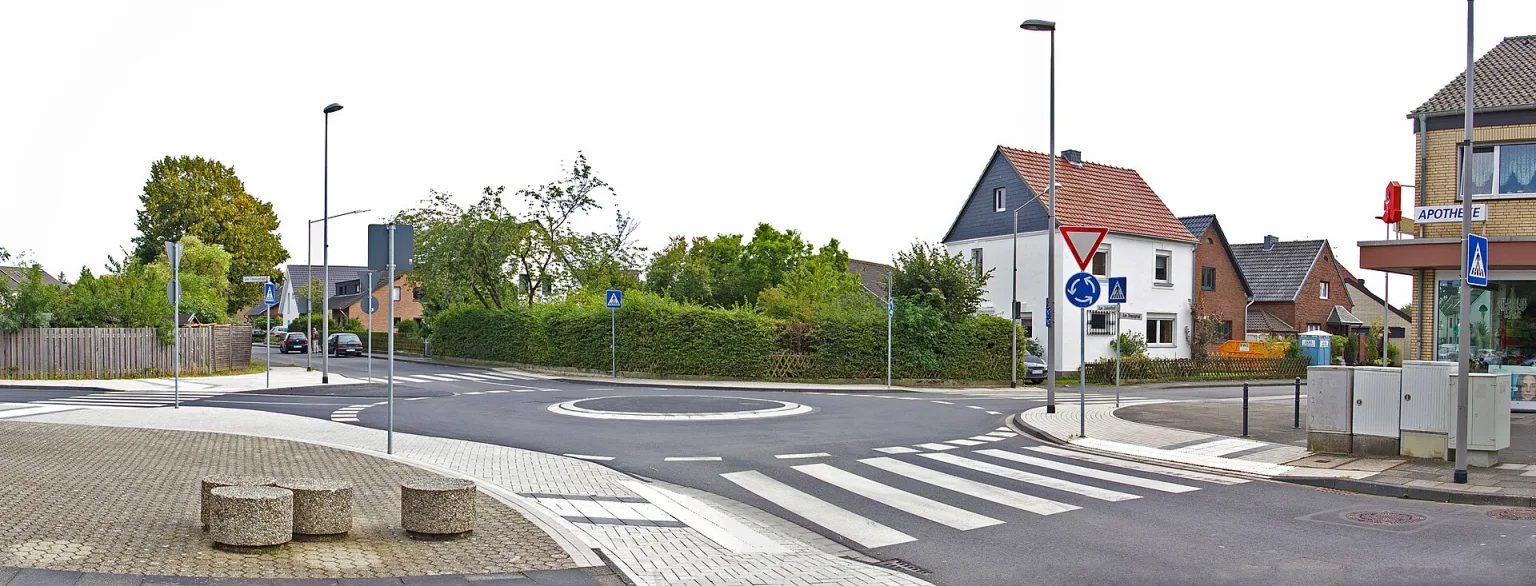
A video circulating online in early 2011 drew attention to a roundabout in Germany that replaced the usual raised central island with a simple painted white circle. The footage, which spread rapidly among motoring forums and social media, showed drivers approaching the junction with evident confusion, some circling the painted centre while others drove straight across.
The decision to omit a physical island was reportedly taken by local authorities, likely to reduce construction and maintenance costs. Painted-only roundabouts are not unique to Germany, but the video’s popularity highlighted how unfamiliar layouts can unsettle drivers used to more traditional junctions. The absence of a raised or landscaped centre removes the visual and physical cue that typically guides vehicles around the correct path.
Safety and driver behaviour
The footage shows a range of responses from drivers. Some navigate as if a normal roundabout exists, circling the painted centre. Others cut straight over the markings, treating the junction more like an open intersection. This inconsistency increases the risk of collisions, particularly as right-of-way rules become blurred when the design does not match expectations.
Roundabouts are generally installed to improve safety and traffic flow, but their effectiveness depends on clear design and consistent driver understanding. Without a physical barrier, the visual priority of the roundabout can be lost, especially for unfamiliar or inattentive drivers. Painted-only layouts may also struggle in poor weather, when road markings become less visible.
Cost-cutting versus clarity
Municipalities often face pressure to reduce spending on road infrastructure. While a painted centre eliminates the need for kerbing and landscaping, the savings may come at the expense of safety. Critics argue that the short-term benefit of a cheaper installation is outweighed by the risk of accidents and the potential for driver confusion, particularly in busy or high-speed environments.
- Physical islands provide a clear visual cue and enforce correct circulation.
- Painted-only centres rely on driver discipline and can be overlooked.
- Unusual layouts can confuse both local drivers and visitors.
The debate prompted by the German video reflects a wider question facing urban planners: how to balance cost, safety and clarity in road design. While minimalist roundabouts may have a place in low-traffic settings or as temporary measures, their use in busier areas should be carefully considered. The video’s popularity suggests that drivers notice and react strongly to changes in road layout, especially when those changes are not clearly communicated or enforced.