Three Ferrari LaFerraris Lapped Monza with Pro Drivers Only
During a Ferrari Corse Clienti event at Monza, three LaFerrari hypercars took to the track, but only professional drivers were allowed behind the wheel, not owners or journalists.
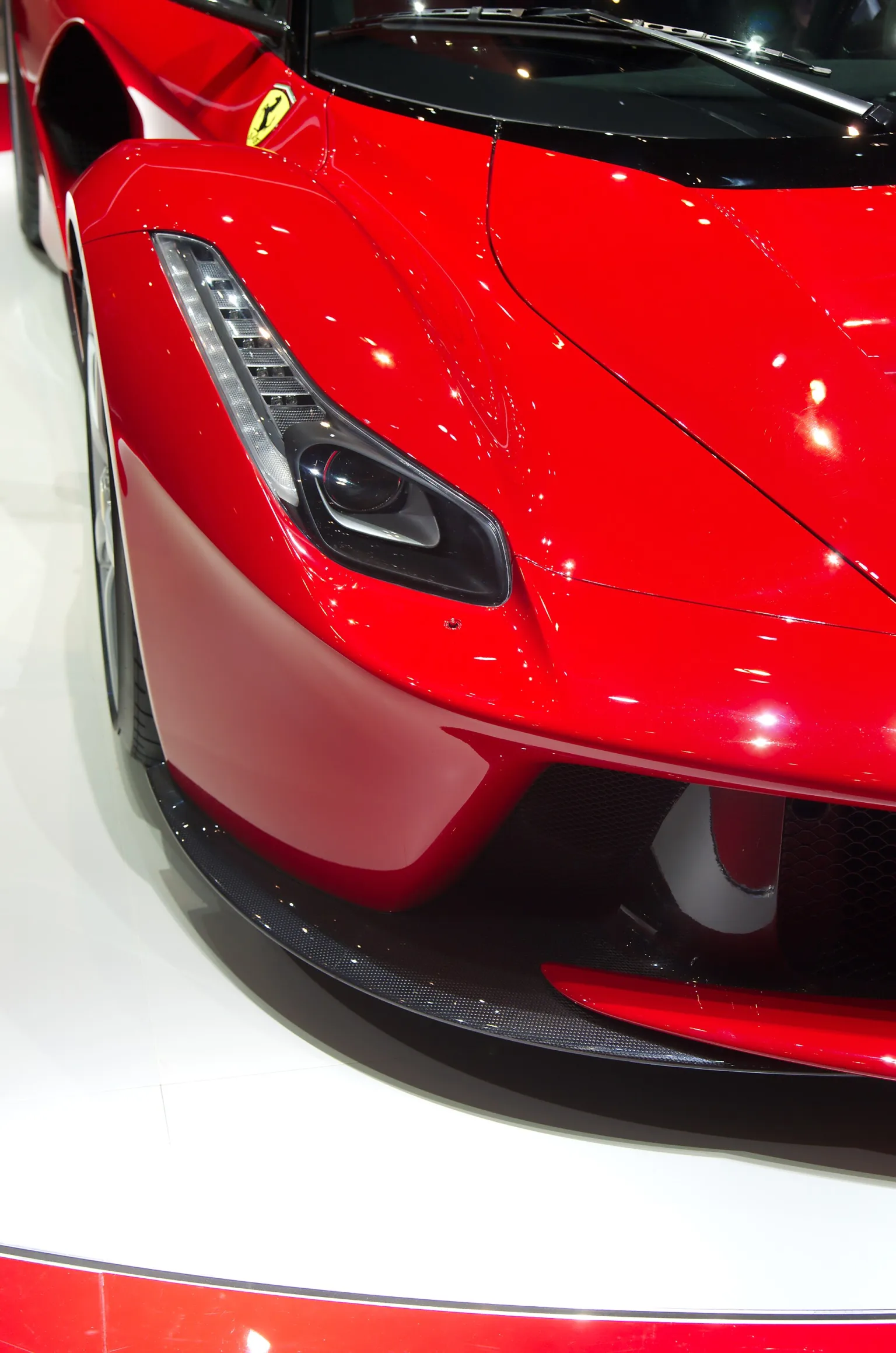
Ferrari brought three LaFerrari hypercars to the Monza circuit for a track session during a recent Corse Clienti event, but the company kept the cars strictly in the hands of professional drivers. No owners or journalists were permitted behind the wheel, despite customer deliveries having already begun. This decision highlighted Ferrari’s control over access to its most exclusive model, even as the first units made their way to customers.
Ferrari LaFerrari at Monza: Strict Access During Corse Clienti Event
Monza Event Details and Video Coverage
The event, captured on video by Serafim Mircea and reported by InAutoNews UK, showed the trio of LaFerraris circulating Monza’s 5.7-kilometre layout. The unmistakable sound of the 6.3-litre V12 hybrid powertrains echoed down the long straights, while the sight of three LaFerraris together was a rare occurrence, even at a Ferrari factory event. The cars were driven at speed by professional drivers, with spectators able to watch from the stands and via online footage. The visual and auditory spectacle reinforced the car’s status as a technological flagship for Ferrari.
Despite the excitement, Ferrari’s decision to restrict driving to professionals raised questions among observers. Rival hypercars like the McLaren P1 and Porsche 918 Spyder had already been made available to journalists for test drives, and some owners had been seen at the wheel of their cars at similar events. Ferrari’s policy at Monza stood out as particularly cautious, and it drew attention from both the media and the car enthusiast community.
LaFerrari: Production and Exclusivity
The LaFerrari was Ferrari’s response to the new generation of hybrid hypercars, combining a naturally aspirated 6.3-litre V12 engine with an electric motor for a total output of 963PS. This made it the fastest road car Ferrari had produced at the time. Production was strictly limited to 499 units, ensuring exclusivity for buyers. Customer deliveries had started by April 2014, with the first cars reaching buyers in Europe and other regions.
| Engine | 6.3-litre V12 with electric motor |
|---|---|
| Total Power Output | 963PS |
| 0-100km/h | Under 3 seconds |
| Production | 499 units |
| Drive Type | Rear-wheel drive |
| Top Speed | Over 350km/h |
The company’s cautious approach to media access contrasted with the more open policies of its competitors. While the McLaren P1 and Porsche 918 Spyder were tested by journalists and sometimes owners at early events, Ferrari kept the LaFerrari tightly controlled. This exclusivity added to the model’s allure but also meant that independent driving impressions were scarce in the early months of customer deliveries.
Access to the LaFerrari: Owners and Media
Some customer cars had already reached private hands in various countries by the time of the Monza event. High-profile buyers, including celebrities such as Cristiano Ronaldo, were reportedly excluded from the initial allocation, underlining Ferrari’s selective approach to its client base. The Monza event reinforced Ferrari’s reputation for tightly controlling access to its most exclusive models, even after deliveries had started. This approach extended not only to the press but also to customers, who were not given the opportunity to drive their own cars on the famous circuit during this session.
The decision to keep owners and journalists out of the cockpit at Monza was seen by some as a way for Ferrari to maintain an aura of mystery and exclusivity around the LaFerrari. By limiting early access, Ferrari could ensure that only carefully curated images and information reached the public. This strategy has been a hallmark of Ferrari’s marketing for its most desirable models, maintaining demand and prestige even as rival brands take a more open approach.
Comparisons with Rival Hypercars
The LaFerrari’s main competitors, the McLaren P1 and Porsche 918 Spyder, were both part of the new wave of hybrid hypercars launched in the early 2010s. Both McLaren and Porsche allowed journalists to drive their cars on track and road, generating extensive independent coverage and reviews. Ferrari’s decision to keep the LaFerrari out of journalists’ hands at Monza set it apart in terms of media strategy and customer engagement.
| Model | Engine | Total Power Output | 0-100km/h | Production Limit |
|---|---|---|---|---|
| Ferrari LaFerrari | 6.3-litre V12 + electric | 963PS | <3s | 499 |
| McLaren P1 | 3.8-litre V8 + electric | 916PS | <3s | 375 |
| Porsche 918 Spyder | 4.6-litre V8 + electric | 887PS | <2.7s | 918 |
Conclusion: Ferrari’s Approach to Exclusivity
Ferrari’s management of the LaFerrari’s public appearances and access at Monza demonstrated the company’s ongoing commitment to exclusivity. By limiting driving opportunities to professional drivers, Ferrari maintained strict control over the image and mystique of its flagship hypercar. While this approach drew comparisons with more open strategies from rival manufacturers, it also reinforced the unique status of the LaFerrari within the automotive world. For those hoping to see or drive a LaFerrari, opportunities remained rare and closely managed by the company, even after the first cars had reached their owners.