Volkswagen China Finance Unit Gains from PBOC Reserve Policy Shift
A reserve requirement cut by China’s central bank has freed up 30 million yuan for Volkswagen’s finance arm, offering scope to support car sales in a slowing market.
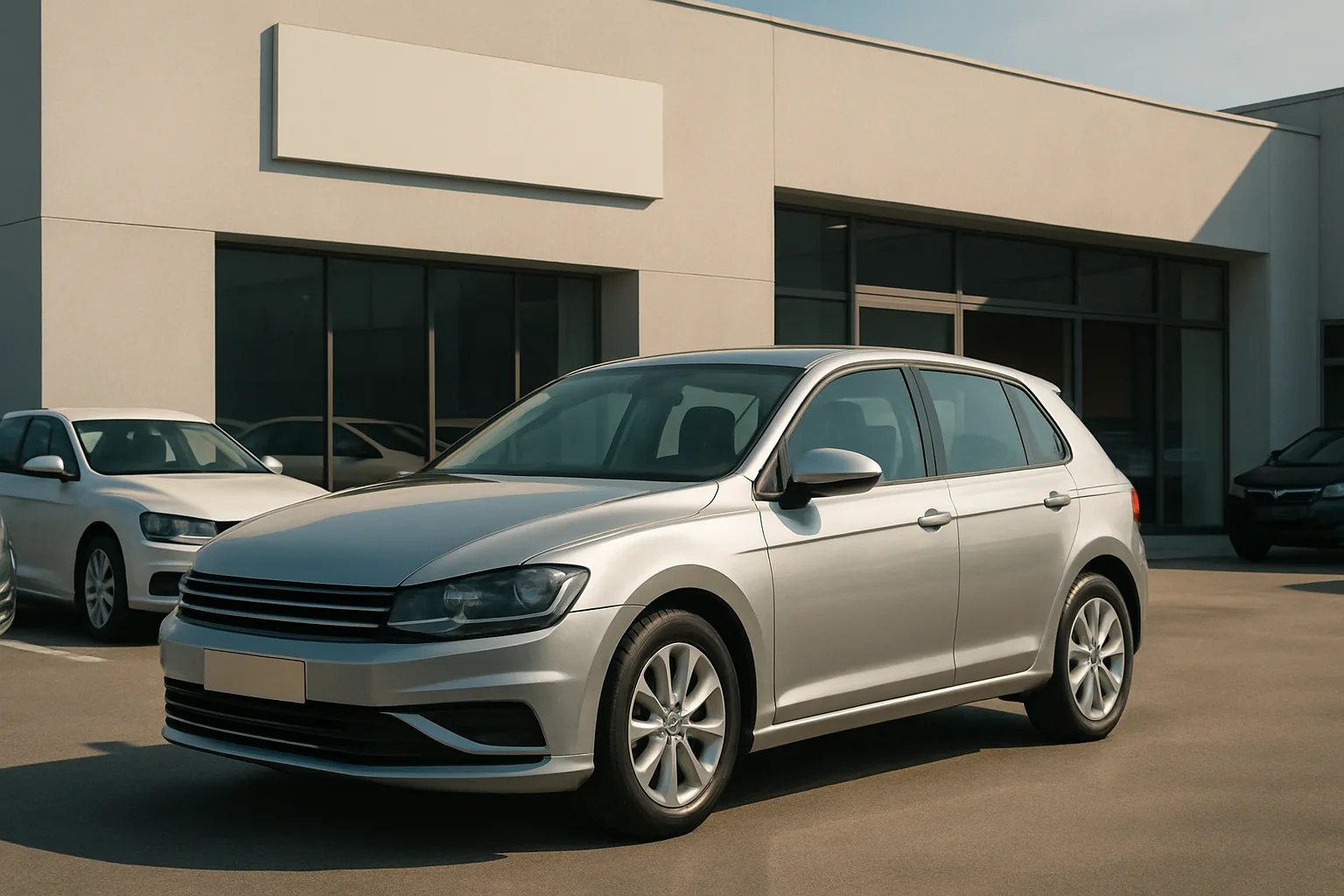
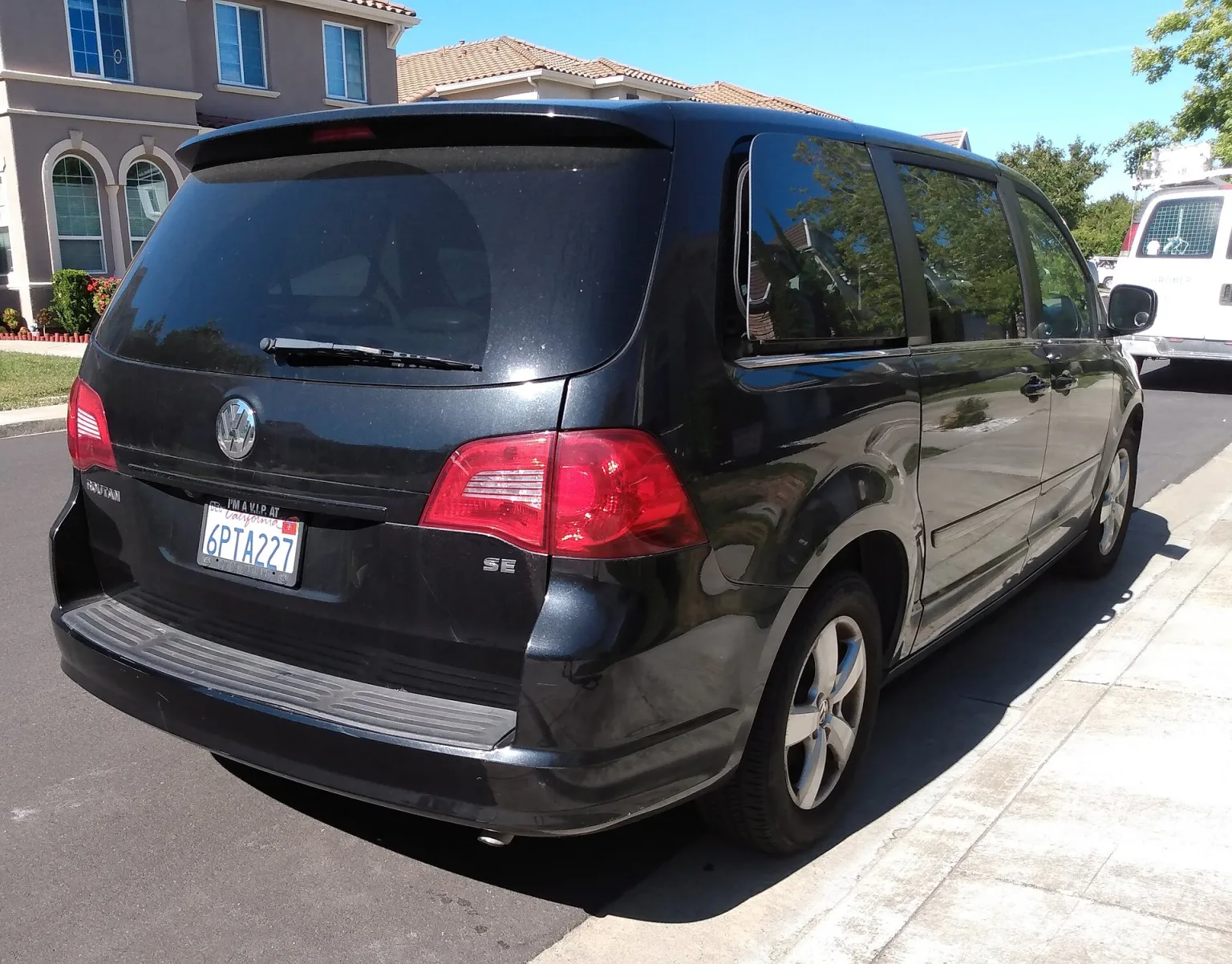
Volkswagen’s China finance division has received a 30 million yuan injection following a targeted reserve requirement ratio (RRR) cut by the People’s Bank of China. The move, announced in August 2015, allows auto financing companies to hold less capital in reserve, freeing up funds that can be used to stimulate vehicle sales.
The central bank’s decision applies specifically to auto finance companies, dropping their required reserves to 8%. In contrast, the general reserve requirement for banks in China stands at 18%. Volkswagen Finance (China) Co Ltd is among the direct beneficiaries, and the company has confirmed that the freed-up funds could be used to reduce financing costs for customers or support dealer lending.
Harold Mueller, general manager of Volkswagen Finance (China), said the policy change could enable the company to lower interest rates on loans for certain models or segments, as well as strengthen ties with dealers. Discussions are ongoing within the Volkswagen Group’s brands, including Audi and Porsche, to determine the most effective use of the additional liquidity.
Impact on Volkswagen and the wider market
Although the 30 million yuan sum represents only 0.5% of Volkswagen Finance (China)’s total loans, the move is seen as a signal that the People’s Bank of China is willing to support the automotive sector during a period of economic slowdown. China’s GDP growth in 2015 was on track for its weakest performance in a quarter-century, and Volkswagen’s vehicle sales in the country had dropped by 5.3% year-on-year by July.
The effectiveness of the RRR cut as a sales stimulus may be limited by the fact that buyers of local and mass-market Chinese brands tend to use less financing than those purchasing foreign or premium vehicles. As a result, the benefit is likely to be felt more strongly by international firms and those focused on higher-end segments.
Volkswagen’s efforts to shore up its position in China come as the company targets ambitious local production and sales goals. For further detail on Volkswagen’s China strategy, see Volkswagen targets 4 million annual vehicle production in China by 2018.