Volkswagen targets 4 million annual vehicle production in China by 2018
VW sets out to nearly double its Chinese output, planning new investment and factories to reach 4 million units a year within six years.
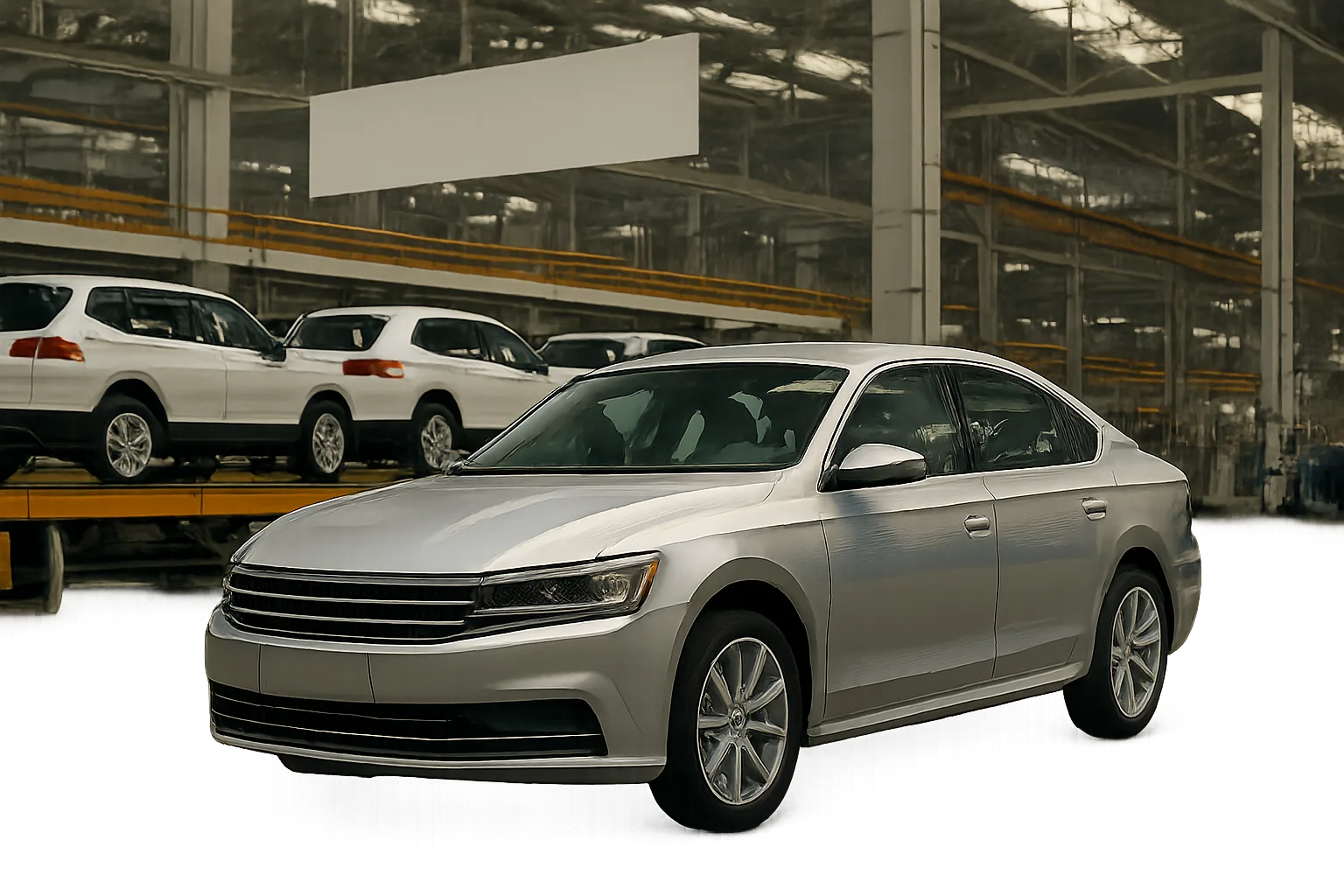
Volkswagen has announced plans to raise its annual vehicle production capacity in China to 4 million units by 2018, aiming to cement its lead in the world’s largest car market. The target, outlined by Jochem Heizmann, Volkswagen’s new China chief, represents a near doubling of the group’s output in the country over a six-year period.
China has become Volkswagen’s most important sales region, providing both volume and profit growth as other markets remain volatile. In 2011, the group delivered 2.3 million vehicles in China, generating an operating profit of €2.6 billion. With the market still expanding, VW’s strategy is to invest heavily in local production to maintain its position ahead of global rivals.
Expansion plans and new investment
The company’s expansion will be anchored by a new plant in Urumqi, western China, scheduled to open in 2015 with an initial capacity of 50,000 vehicles per year. This facility, representing an investment of €170 million, will be Volkswagen’s seventh in China and its fifth dedicated car factory. The group’s local operations, run with joint venture partners SAIC and FAW, already include 11 vehicle assembly and component plants.
Volkswagen’s broader Chinese investment plan totals $19 billion through 2016, covering new factories, model launches and technology upgrades. The Urumqi plant is intended to support further growth in western China, a region targeted for development by the Chinese government and increasingly attractive to manufacturers seeking untapped demand.
Implications for Volkswagen and the Chinese market
Reaching 4 million units annually would reinforce Volkswagen’s status as the leading foreign carmaker in China, a market that has seen rapid expansion and fierce competition. The scale of investment and the pace of capacity growth underline the strategic importance of China to the group’s global ambitions. For Chinese consumers, increased local production is likely to mean a wider choice of models and potentially shorter waiting times, as more vehicles are built closer to demand.
Volkswagen’s Chinese joint ventures with SAIC and FAW have been critical to its success, enabling the group to navigate local regulations and tailor products to local tastes. The new Urumqi plant and the broader production ramp-up will require further collaboration with partners, suppliers and local authorities. As China’s car market continues to grow, foreign manufacturers including General Motors, Ford and PSA are also investing in new capacity and product lines, intensifying competition for market share.
Context: China’s growing role in global car production
China’s importance as a production and sales hub has increased sharply in recent years. The country’s automotive sector has seen exports surge and domestic demand rise, prompting foreign brands to localise more manufacturing. Volkswagen’s plan to build 4 million vehicles a year in China reflects this shift and sets a benchmark for rivals. For more on China’s export growth, see China car exports surge nearly 50% in 2011 as firms target new markets.