Volkswagen ID. Tiguan to Replace ID.4 and ID.5 in 2027
Volkswagen will phase out the ID.4 and ID.5 with the new ID. Tiguan, reviving the legacy nameplate for its electric SUV and returning physical controls after customer demand.
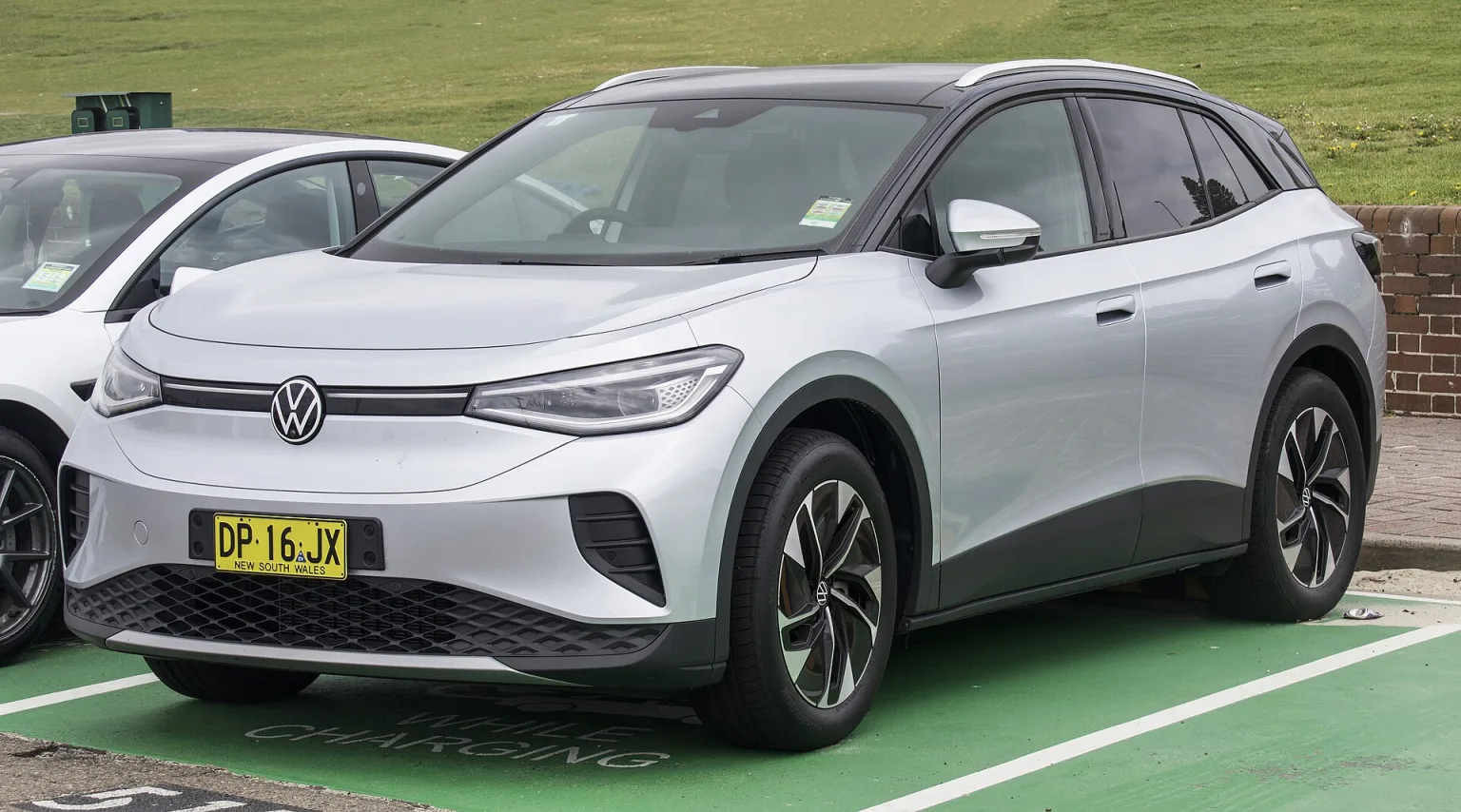
Volkswagen has revealed the ID. Tiguan, a new electric SUV that will replace both the ID.4 and ID.5 in early 2027. The company aims to strengthen its electric vehicle (EV) line-up by leveraging the well-established Tiguan nameplate, a move intended to make the transition to EVs more accessible for mainstream buyers. Pre-sales for the ID. Tiguan are scheduled to open in Germany and other European markets on 13 October 2026, with a starting price of €42,695.
Volkswagen ID. Tiguan: New Electric SUV Announced
Production Strategy and Model Line-up
The ID. Tiguan will be manufactured at Volkswagen’s Emden plant, dedicated to electric vehicles, while the existing petrol, diesel, and hybrid Tiguans will continue production at the Wolfsburg facility. This dual-production approach allows Volkswagen to serve both traditional and electric SUV buyers under the popular Tiguan badge. As the ID. Tiguan enters the market, the ID.4 and ID.5 models will be phased out, marking a significant change in Volkswagen’s EV strategy.
Return of Physical Controls
One of the most notable changes in the ID. Tiguan is the return of physical buttons for climate and steering wheel functions. This decision comes after sustained criticism of touch-sensitive controls in previous Volkswagen models. The company’s move aligns with both customer feedback and anticipated Euro NCAP requirements for physical controls, which are expected to take effect from 2026. Buyers who found earlier touch interfaces less intuitive, especially while driving, are likely to appreciate this update.
Additionally, the ID. Tiguan introduces an optional 12-inch passenger display, a first for a European Volkswagen. The emphasis on usability and familiar controls reflects Volkswagen’s efforts to address complaints raised with the ID.4 and ID.5, both of which featured largely touch-based interfaces. The company’s focus on practical improvements suggests a broader shift towards user-friendly design in its upcoming EVs.
Technical Details and Powertrain Options
Volkswagen claims the ID. Tiguan will offer up to 600 km of range on a single charge, depending on the chosen powertrain and battery configuration. There are three main powertrain options: two rear-wheel-drive (RWD) versions and one all-wheel-drive (AWD) model. The entry-level RWD version combines a 140kW motor with a 58kWh battery, while a more powerful RWD option uses a 210kW motor and a 77kWh battery. The AWD model features a 220kW setup, also with the larger 77kWh battery. This range of options is designed to appeal to a broad spectrum of buyers, from those prioritising efficiency to those seeking higher performance and all-weather capability.
| Range (company claim) | Up to 600 km |
|---|---|
| Drivetrain options | RWD 140kW/58kWh, RWD 210kW/77kWh, AWD 220kW/77kWh |
| Towing capacity | 2,000 kg |
| Front boot | 32 litres |
| Rear luggage space | 534 litres |
| Optional passenger screen | 12-inch |
Practical Features and Interior Space
The ID. Tiguan has been designed with practicality in mind. It offers a towing capacity of 2,000 kg, making it suitable for family holidays or transporting larger loads. Storage is another focus: the SUV features a 32-litre front boot for smaller items and 534 litres of luggage space in the rear, providing ample room for everyday use or longer journeys. These features position the ID. Tiguan as a versatile option in the electric SUV segment.
Volkswagen’s Shift to Legacy Names for Electric Models
By adopting the Tiguan name for its new electric SUV, Volkswagen is following a trend seen across the automotive industry. Other manufacturers have also begun using established model names for their electric vehicles, aiming to bridge the gap between combustion and electric models. This approach is intended to reassure buyers and maintain continuity as brands transition their line-ups. The use of a familiar badge is expected to make the switch to electric cars less daunting for customers who may be hesitant about new technology.
Volkswagen’s strategy with the ID. Tiguan also reflects a wider response to customer demand for more practical controls and familiar features in electric vehicles. The company’s decision to restore physical controls and introduce new interior options demonstrates a commitment to addressing feedback and improving the user experience. As the electric SUV market becomes increasingly competitive, such changes are likely to play a role in attracting both existing Volkswagen customers and new buyers.
Pre-Sale Details and Market Outlook
Pre-sales for the ID. Tiguan will begin on 13 October 2026 in Germany and other European markets. The starting price is set at €42,695, positioning the model competitively within the electric SUV segment. Volkswagen’s decision to launch the ID. Tiguan with a range of powertrain options and practical features is expected to attract a wide audience, from families seeking space and towing capability to buyers interested in the latest EV technology.
As Volkswagen phases out the ID.4 and ID.5, the ID. Tiguan is set to become the company’s flagship electric SUV for Europe. The dual-production strategy, with electric models built in Emden and combustion/hybrid variants in Wolfsburg, allows Volkswagen to cater to a broad customer base during the transition to electric mobility. The ID. Tiguan’s blend of familiar branding, improved usability, and practical features may help Volkswagen maintain its strong presence in the SUV market as electrification accelerates.