Volkswagen backs European CNG expansion with filling station push
Volkswagen has committed to growing the compressed natural gas market in Europe, aiming to double filling stations and boost CNG vehicle numbers by 2025.
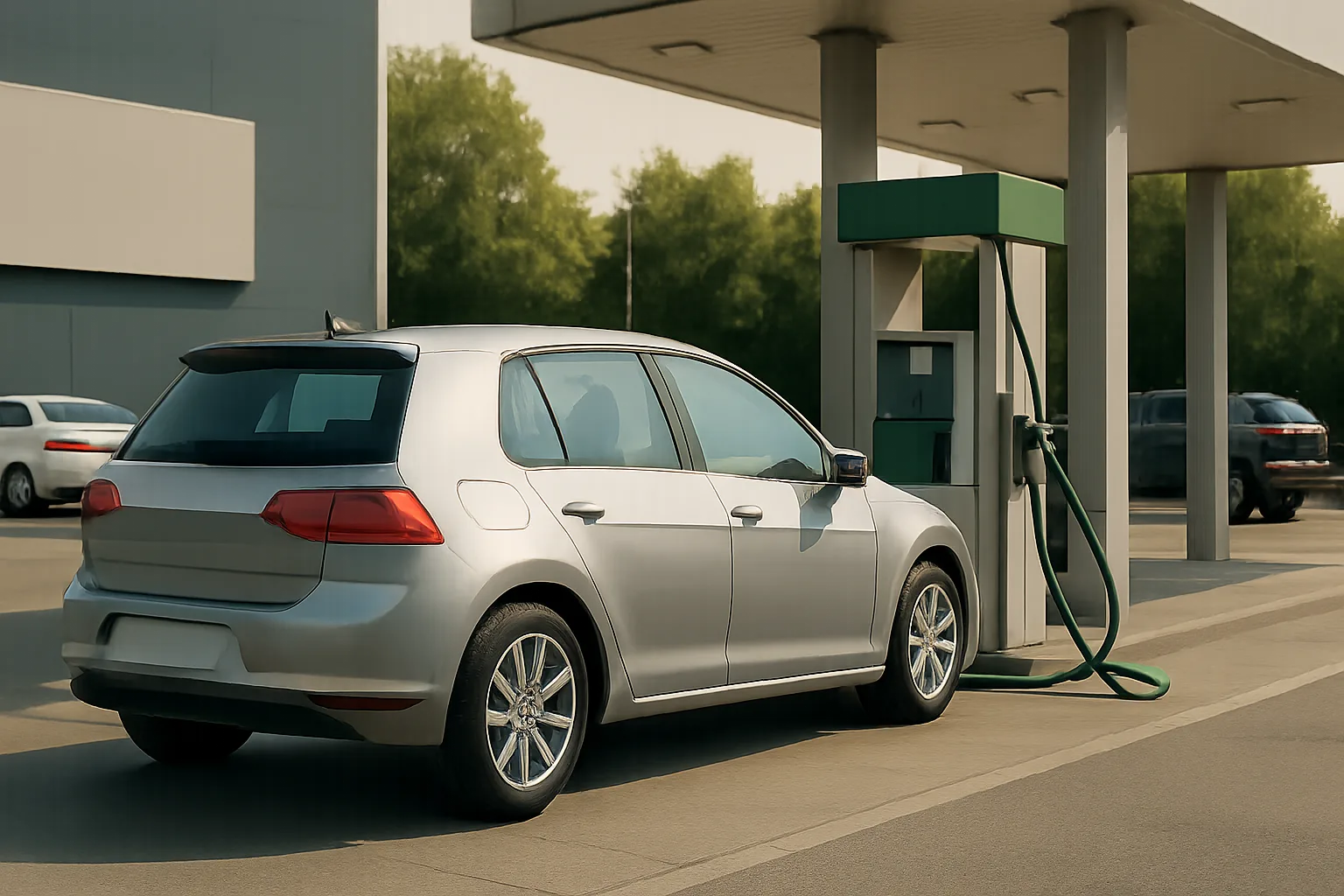
Volkswagen has signed a joint declaration with gas suppliers and filling station operators to accelerate the uptake of compressed natural gas (CNG) vehicles in Europe, with the clearest targets set for Germany. The company wants to see the number of CNG-powered vehicles on German roads reach one million by 2025.
The plan includes supporting a network expansion that would more than double the number of CNG filling stations in Germany from 900 to 2,000 by 2025. The joint effort covers cars, trucks and public transport, reflecting Volkswagen’s aim to position CNG as a practical alternative to diesel and petrol, particularly after the company’s well-publicised diesel emissions crisis.
Why Volkswagen is pushing CNG now
Compressed natural gas vehicles emit fewer CO2 and particulate emissions than their petrol or diesel equivalents. Volkswagen’s renewed interest in CNG comes as European regulators and customers demand cleaner alternatives. The company has said that CNG’s immediate availability and the potential for renewable methane blends make it a credible part of its short- and medium-term strategy for reducing fleet emissions.
The initiative is not limited to Germany. Volkswagen and its partners intend to promote CNG technology across Europe, working with infrastructure providers to encourage adoption in other markets. The company is also supporting the use of CNG in public transport fleets, targeting major cities where air quality is under particular scrutiny.
Implications for buyers and infrastructure
For buyers, a denser network of CNG filling stations addresses one of the chief barriers to adoption: range anxiety and lack of refuelling options. Volkswagen’s commitment to supporting both passenger and commercial vehicles is intended to reassure fleet operators and private owners that CNG is viable for daily use. The company’s plans also serve to diversify the European market’s energy mix, as manufacturers respond to tightening emissions targets and look beyond diesel.