Volkswagen confirms plug-in hybrid models from 2013
Volkswagen will launch its first plug-in hybrid vehicles in 2013, starting with key models including the Golf Mk7 and Audi A3, as part of a broader electrification strategy.
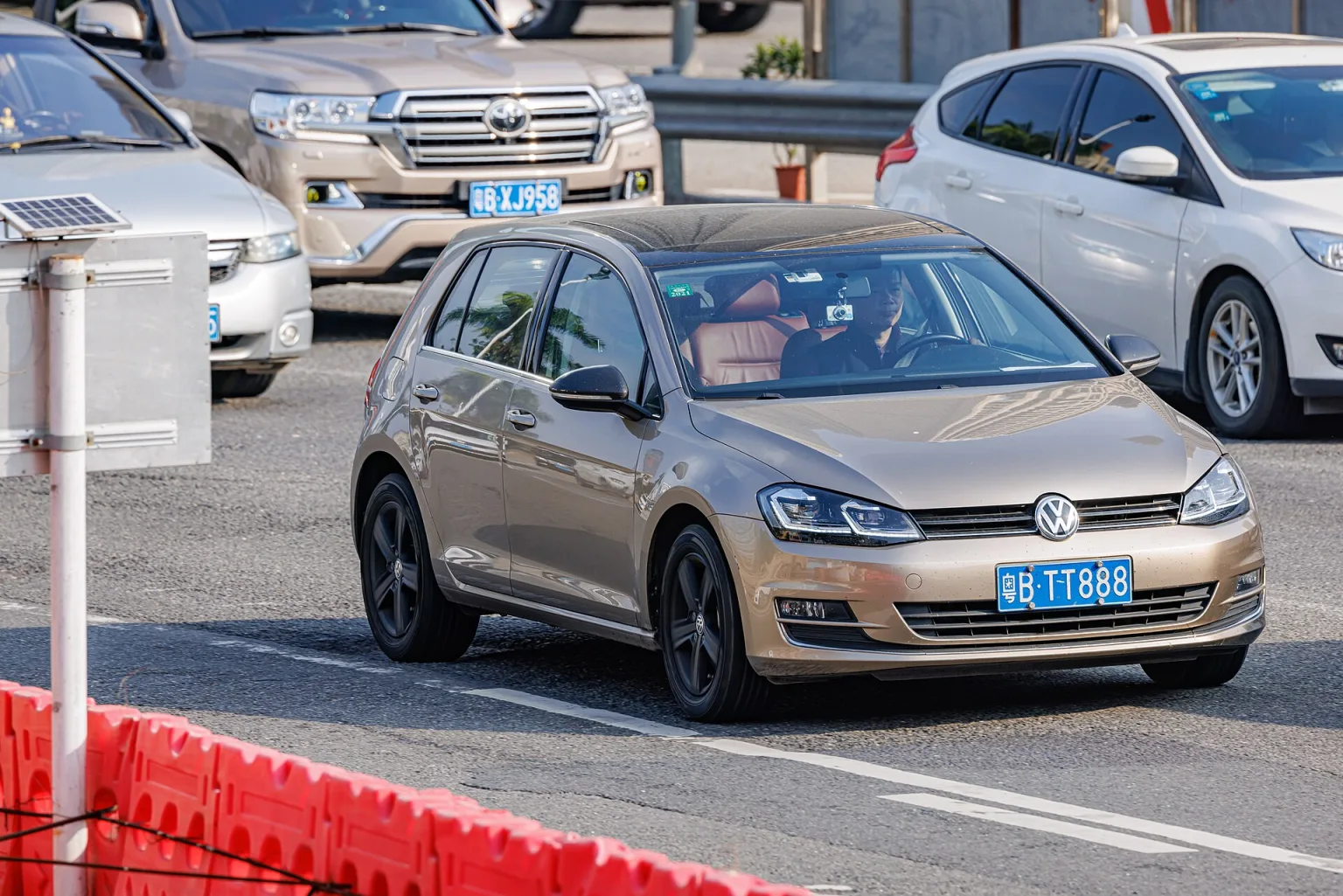
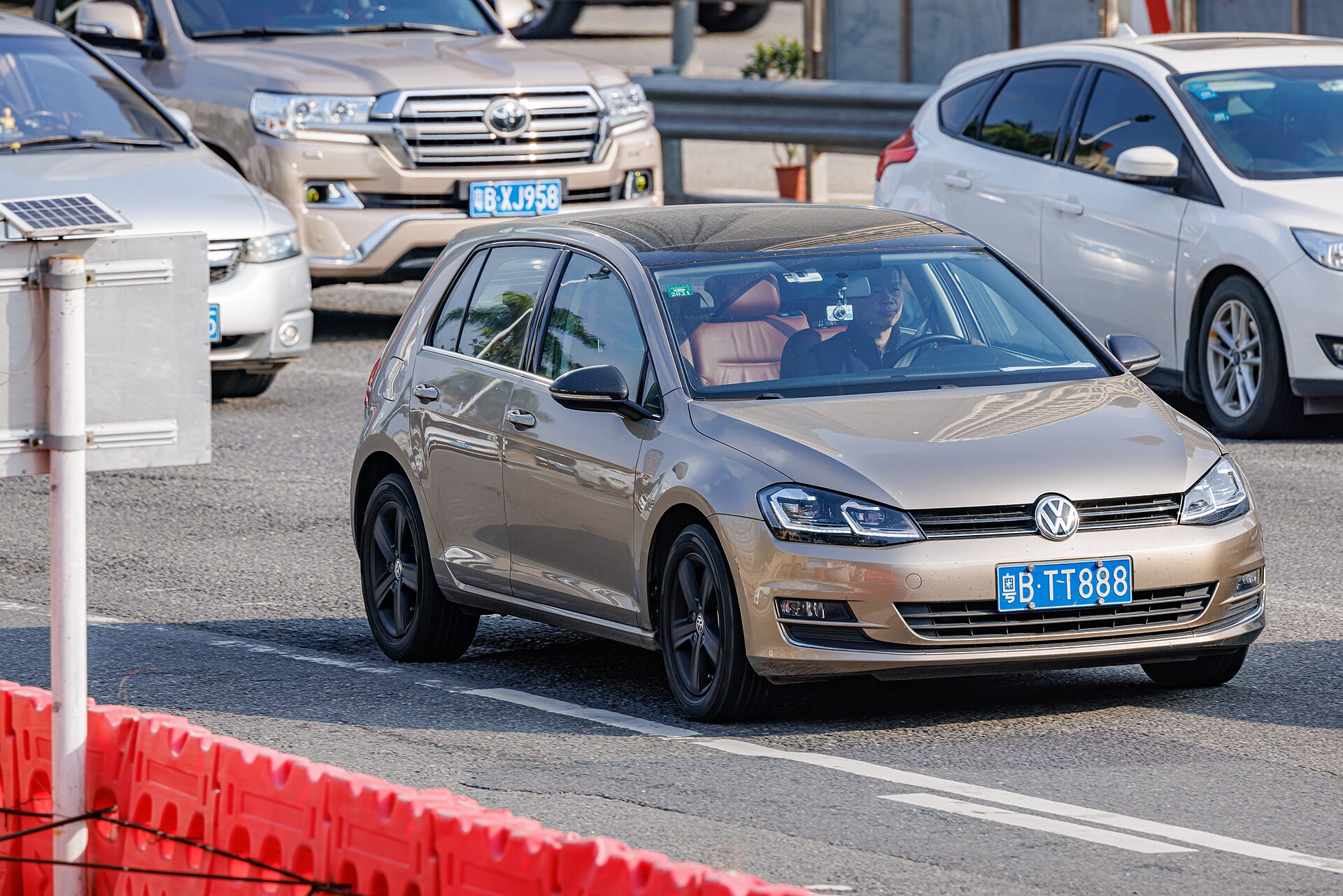
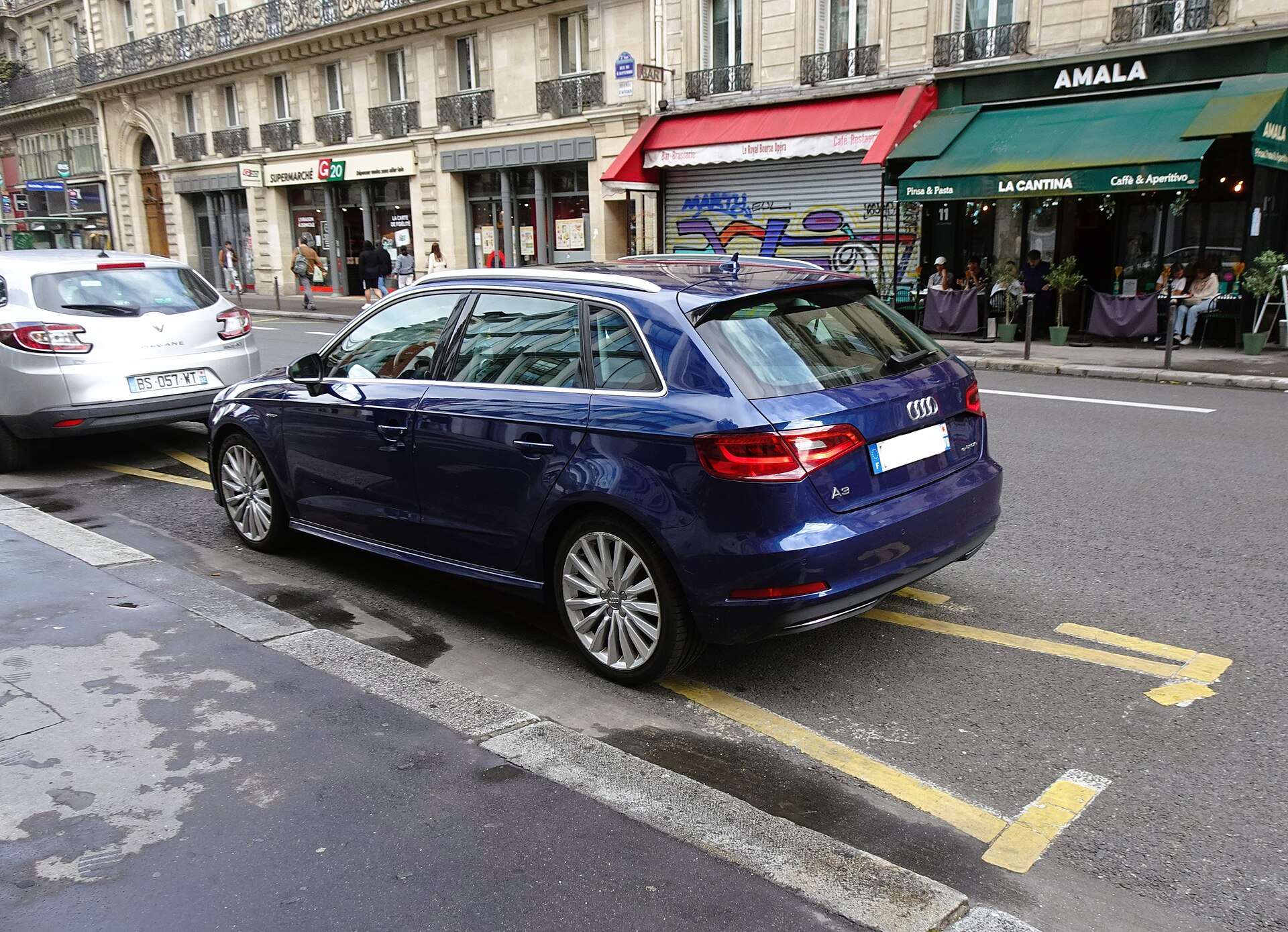
Volkswagen will introduce a range of plug-in hybrid vehicles from 2013, with the Golf Mk7 and third-generation Audi A3 among the first models to feature the technology. The announcement was made by Volkswagen Group chairman Martin Winterkorn at the International Vienna Motor Symposium, confirming the group’s entry into the volume plug-in hybrid market.
The new plug-in hybrid models will be built on Volkswagen’s MQB platform, which underpins a wide range of front-wheel-drive vehicles across the group. The company sees plug-in hybrids as a practical step towards electrification, offering electric-only driving for short distances and a conventional engine for longer trips. According to Volkswagen, this approach meets customer expectations for daily usability without the range anxiety associated with pure electric vehicles.
Golf Mk7 and Audi A3 lead the rollout
The Golf Mk7 and Audi A3 plug-in hybrids will be the first to reach the market, reflecting Volkswagen’s strategy to electrify its highest-volume models. Both cars are expected to offer an electric-only range of around 20 miles (32 kilometres), with the petrol engine providing backup for longer journeys. This allows drivers to complete most daily commutes without using any fuel, while retaining the flexibility of a traditional car for longer trips.
Volkswagen has indicated that the plug-in hybrid Golf could achieve an official EU combined fuel economy figure exceeding 100mpg. This is possible because the electric range and battery contribution are factored into the test cycle, significantly lowering the car’s average consumption and CO2 emissions. The company has not announced full technical specifications or pricing details, but the plug-in system is expected to be more affordable than a pure electric drivetrain thanks to a smaller battery pack.
Volkswagen’s approach to electrification
Volkswagen’s decision to focus on plug-in hybrids, rather than launching a full battery-electric Golf at this stage, reflects both technical and market considerations. The group believes that a plug-in hybrid offers the best compromise between zero-emissions mobility and the convenience of rapid refuelling. The MQB platform’s flexibility allows the company to roll out electrified variants across several models with minimal re-engineering.
- Golf Mk7 plug-in hybrid: launches 2013, MQB platform, approx. 20-mile electric range.
- Audi A3 plug-in hybrid: launches 2013, MQB platform, similar range and drivetrain.
Volkswagen’s move comes as rivals such as Nissan and Toyota expand their electric and hybrid offerings. While Nissan has focused on pure electric vehicles like the Leaf, Volkswagen is positioning its plug-in hybrids as a more versatile solution for mainstream buyers. The company also claims that the production costs of plug-in hybrid systems are lower than those of full electric vehicles, potentially making the technology accessible to a wider market.
Implications for buyers and the market
For buyers, the arrival of plug-in hybrid Golfs and A3s means the option of electric commuting without sacrificing the ability to travel long distances. Dealers and fleet operators will be able to offer vehicles that combine low running costs with familiar driving characteristics. Volkswagen’s entry into the segment is likely to accelerate the adoption of plug-in technology across Europe, especially as emissions regulations tighten.