Volvo global deliveries up 5.4% in June as China and Sweden drive growth
Volvo increased worldwide deliveries by 5.4% in June 2014, with strong demand in China and Sweden offsetting slower sales in the US.
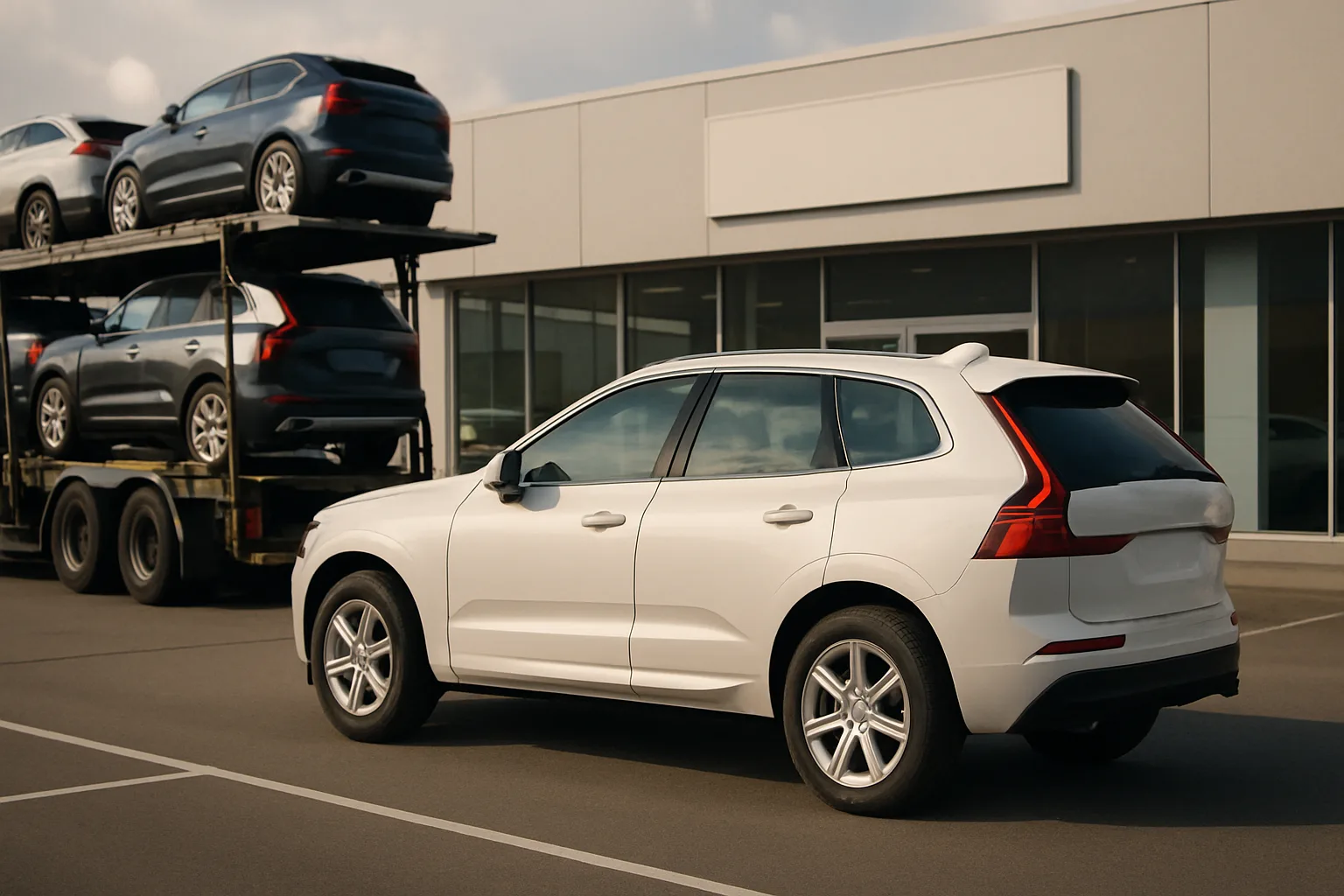
Volvo Cars delivered 43,132 vehicles worldwide in June 2014, marking a 5.4% increase compared to the same month in the previous year. This growth represents the twelfth consecutive month of rising deliveries for the Swedish automaker, which is currently owned by Zhejiang Geely Holding Group. The company’s ongoing momentum has been particularly strong in China and Sweden, while several European markets also contributed positively to the results.
Volvo Achieves 5.4% Global Delivery Growth in June 2014
Regional Performance Highlights
China remained Volvo’s largest single market in June, with sales surging 30.8% to 7,583 vehicles. The XC60 SUV continued to be the brand’s top performer in the country, reflecting the growing demand for luxury SUVs among Chinese consumers. In Sweden, the company’s home market, deliveries increased by 22.1% to 5,624 cars, demonstrating robust domestic support for the brand. These results highlight the importance of both China and Sweden to Volvo’s ongoing success.
Across Western Europe, Volvo recorded a 4.5% rise in sales, reaching 15,762 vehicles for the month. The United Kingdom, Netherlands, and Belgium were among the most significant contributors in the region. Additionally, countries such as Norway, Finland, and Spain also posted gains, further strengthening Volvo’s position in the European market. The company attributed these results to steady demand for its core models and a favourable response to recent updates across its product range.
US Market Faces Challenges
In contrast to the positive results in China and Europe, Volvo’s performance in the United States declined. June sales in the US fell by 10.4%, with 5,984 vehicles delivered. This decrease comes amid heightened competition from established luxury rivals and shifting consumer preferences in the American automotive market. While SUVs remain popular, Volvo has faced challenges in keeping pace with competitors who have expanded their offerings and invested heavily in marketing and product development.
First Half of 2014: Sustained Momentum
Looking at the first half of 2014 as a whole, Volvo’s global deliveries reached 229,013 units, representing a 9.5% increase compared to the same period in 2013. The strong performances in China and Sweden were instrumental in offsetting the decline in the US market, allowing the company to maintain its upward trajectory. The XC60 SUV played a particularly important role in China, while established models continued to attract buyers across Europe.
This period of sustained growth reflects the impact of Geely’s ownership, which has brought renewed investment and a focus on product development. The company’s ability to achieve twelve consecutive months of global delivery growth demonstrates the effectiveness of its current strategy and the appeal of its updated model line-up.
Market Trends and Strategic Focus
Volvo’s performance in June 2014 is part of a broader trend among premium European carmakers, who are increasingly looking to China and their home markets to drive growth. The company’s reliance on China as its largest market mirrors the strategy of other luxury brands seeking to benefit from rising demand in the region. At the same time, the mixed results in the US highlight the need for continued innovation and a tailored approach to local market conditions.
With the first half of the year showing a 9.5% rise in global deliveries, Volvo entered the second half of 2014 with significant momentum. The company’s focus on SUVs, such as the XC60, and its ongoing investment in core models are expected to influence results in the months ahead. Volvo’s experience also illustrates the shifting landscape of the global automotive industry, where growth opportunities are increasingly found outside of traditional Western markets.
Outlook for the Remainder of 2014
Looking forward, Volvo’s prospects appear closely tied to its continued success in China and Europe. The company’s recent product updates and strategic investments position it to respond to evolving consumer preferences and competitive pressures. However, regaining momentum in the US market remains a challenge that will require targeted efforts and possibly further adaptation of its model range to local tastes.
As the automotive market continues to evolve, Volvo’s ability to adapt to regional trends and capitalise on growth opportunities will be critical to sustaining its positive trajectory. The first half of 2014 has provided a strong foundation, and the company’s performance in the coming months will be closely watched by industry observers and competitors alike.