Volkswagen Targets Top Global Sales Spot by 2018
Volkswagen aims to surpass Toyota and General Motors in worldwide vehicle sales by 2018, setting a target of 10 million annual deliveries and higher profitability.
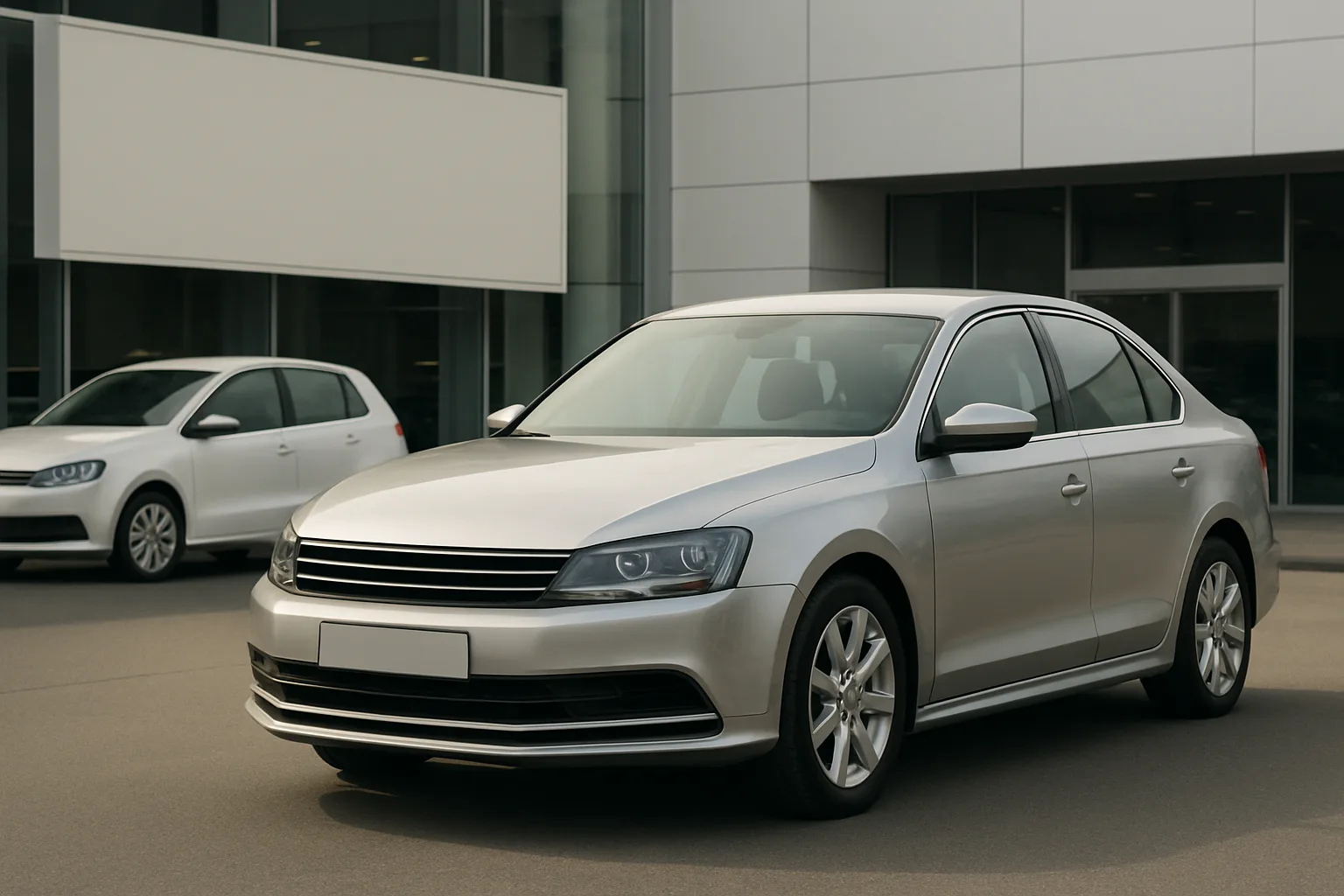
Volkswagen set out an ambitious plan in early 2012 to become the world’s leading carmaker by sales volume by 2018, aiming to overtake rivals Toyota and General Motors. The company’s stated target is to deliver 10 million vehicles a year, a goal supported by strong early-year sales and continued expansion in growth markets.
Strong early sales and ambitious targets
Volkswagen’s push began with record deliveries in January 2012, reaching 652,500 units. The company’s leadership, led by CEO Martin Winterkorn, pointed to these figures as evidence that the group was on track for its 2018 goal. The previous year, Volkswagen Group delivered 8.16 million vehicles globally, a 14% rise over 2010, putting it ahead of General Motors and challenging Toyota, which had led the global sales charts for several years. VW’s numbers include not only Volkswagen-branded vehicles but also those from group brands Audi, SEAT, Škoda, Bentley, Bugatti and Lamborghini.
The group’s expansion strategy also involved acquisitions. VW had taken control of heavy-truck manufacturer MAN and was moving to fully integrate Porsche. This consolidation was expected to further boost total sales and group profitability. Volkswagen set a profit margin target of over 8%, aiming for a return on investment exceeding 16% in its core Automotive Division.
Growth markets and challenges
While the European market faced economic uncertainty, Volkswagen’s growth plan relied heavily on China and North America. Both regions were delivering strong sales increases, offsetting stagnation in Western Europe. China had already become the group’s largest single market, and North America was identified as a key area for further expansion.
The 2018 target was not just about volume. Volkswagen’s management stressed the importance of profitability and sustainable growth. The group aimed to balance rapid expansion with efficiency improvements and cost control. The integration of new brands and increased global manufacturing capacity were seen as essential to reaching these targets.
Competitive landscape
Volkswagen’s 2018 ambitions placed it in direct competition with Toyota, which had dominated global sales until natural disasters disrupted its supply chain in 2011. General Motors, another long-time leader, was also in contention. VW’s multi-brand approach, combined with aggressive investment in emerging markets and product development, was designed to give it the edge. Other manufacturers, such as Hyundai-Kia and Ford, were also targeting higher global sales, but Volkswagen’s scale and breadth of brands set it apart.